Market context for 2026 buyers
Entering the crypto market in 2026 requires a clear view of where we stand in the cycle. We are currently navigating the post-halving phase, a period historically defined by supply shock and subsequent price discovery. For new buyers, this environment is less about chasing immediate gains and more about understanding the rhythm of volatility.
The 2024 Bitcoin halving reduced the daily issuance of new coins by 50%. This structural change creates a tighter supply side, but it does not guarantee immediate price appreciation. Market dynamics often lag the event by several months as miners adjust and institutional flows recalibrate. Expecting linear growth ignores the reality of market cycles, where consolidation phases are just as important as breakout rallies.
Rather than focusing on short-term price movements, successful buyers in this cycle focus on infrastructure and strategy. The tools available today—self-custody wallets, staking protocols, and regulated exchanges—offer more safety and utility than ever before. Your goal should be to build a position that withstands the inevitable dips, not just one that looks good on a green day.
Understanding this context helps set realistic expectations. You are not buying a get-rich-quick ticket; you are acquiring an asset class that operates on a different timeline than traditional finance. Patience and discipline are your most valuable assets right now.
Choosing a regulated exchange
Buying cryptocurrency starts with selecting a platform that prioritizes security and compliance over flashy features. For beginners, the goal is not to find the absolute lowest fee, but to use a regulated entity that holds customer assets in segregated accounts and adheres to strict Know Your Customer (KYC) protocols. This reduces the risk of platform insolvency and ensures your funds are protected under financial regulations.
When comparing platforms, focus on three core pillars: regulatory status, fee structure, and asset availability. Major regulated exchanges like Fidelity and Charles Schwab offer familiar user interfaces and robust security infrastructure, making them ideal for those new to the space. They often charge higher fees than specialized crypto-native exchanges, but the trade-off is institutional-grade custody and customer support.
Use the table below to compare top regulated options based on available public data. Always verify current fee schedules directly on the provider’s website, as promotional rates and tiered pricing structures change frequently.
| Exchange | Regulation | Security | Best For |
|---|---|---|---|
| Fidelity Crypto | SEC Registered | Segregated Custody | Long-term holding |
| Charles Schwab | SEC Registered | Segregated Custody | Portfolio integration |
| Coinbase | Publicly Traded | Cold Storage | Beginner ease |
| Kraken | State Licensed | Proof of Reserves | Active trading |
A regulated exchange acts as a gatekeeper, ensuring that the assets you buy are real and that the platform has the capital to honor withdrawals. While unregulated platforms may offer higher leverage or exotic altcoins, they carry a significantly higher risk of loss. Start with a platform that aligns with your risk tolerance and offers clear, transparent fee structures.
Essential security tools and wallets
Your crypto is only as safe as the tools you use to store it. Leaving assets on an exchange is like leaving cash in an unsecured register; it might be convenient, but it isn't safe. To truly own your digital assets, you need to control the keys. This means using dedicated hardware wallets for long-term storage and secure software wallets for daily activity.
Hardware wallets
Hardware wallets are physical devices that store your private keys offline. They are the gold standard for security because they keep your keys away from internet-connected devices, making them immune to most online hacks. When you need to make a transaction, you connect the device to your computer or phone and sign the transaction directly on the hardware screen. This ensures that even if your computer is infected with malware, your keys remain safe.
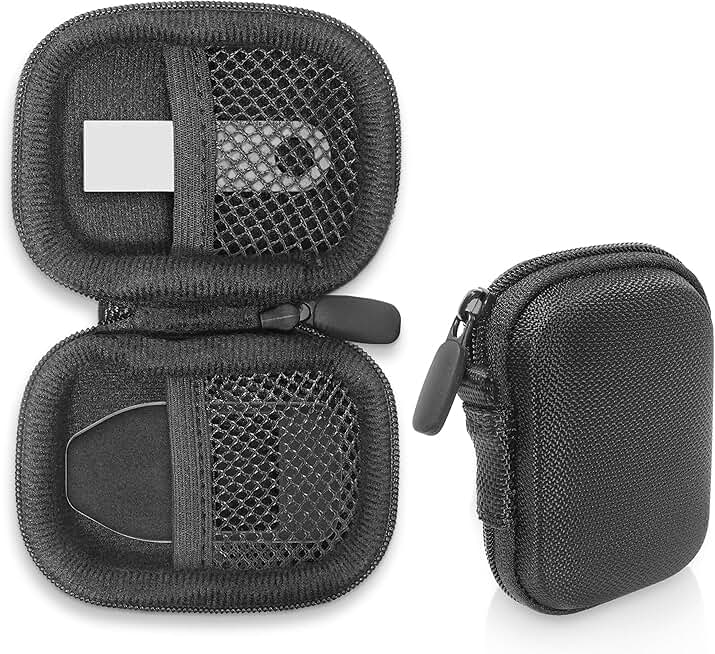


As an Amazon Associate, we may earn from qualifying purchases.
Software wallets
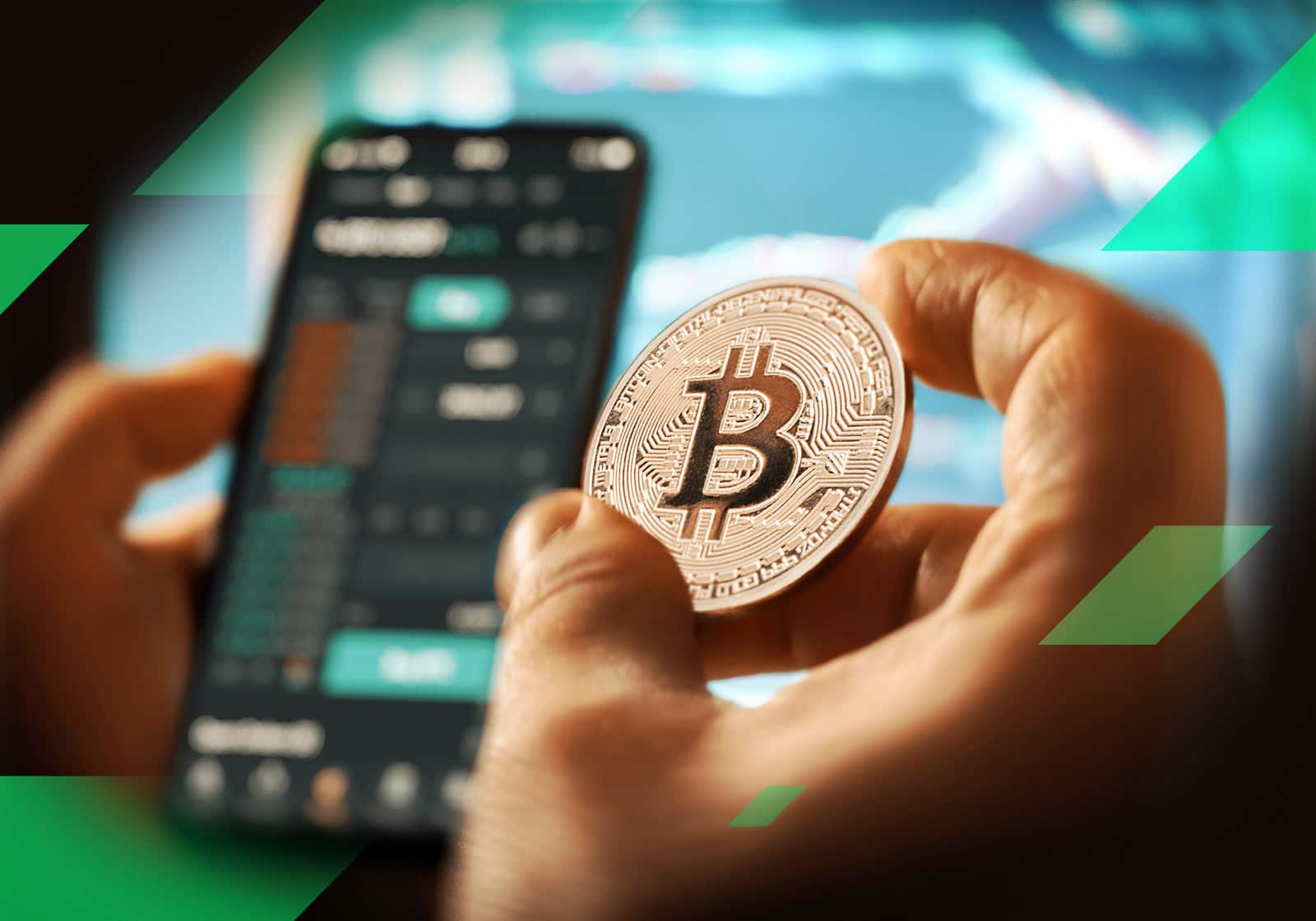
Software wallets, or hot wallets, are applications installed on your computer or mobile device. They are perfect for holding smaller amounts of crypto that you plan to spend or trade frequently. Because they are connected to the internet, they are more convenient but also more vulnerable to phishing attacks and malware. Always ensure you download software wallets from official sources and keep your device's operating system updated.
Best practices
Regardless of the wallet you choose, security depends on your habits. Never share your seed phrase (the 12 or 24 words used to recover your wallet) with anyone. Store it in a secure, offline location like a fireproof safe. Enable two-factor authentication (2FA) on any exchange or service you use, and prefer an authenticator app over SMS-based 2FA. Treat your private keys like the combination to a bank vault; if you lose them, your assets are gone forever.
Starting with a small budget
You do not need thousands of dollars to enter the crypto market. Most major exchanges allow you to buy fractional amounts of Bitcoin or Ethereum, meaning you can start with as little as a few dollars. This flexibility removes the barrier of entry for beginners who want to learn how the technology works without risking significant capital.
The primary goal at this stage is education, not profit. Treat your initial investment as tuition for understanding market volatility, transaction fees, and wallet security. By starting small, you can observe how prices move in real-time without the emotional stress that comes with larger stakes. This approach allows you to build confidence and develop a personal strategy before committing serious funds.
Many platforms facilitate this by offering low minimum purchase limits. For example, Coinbase allows users to buy specific dollar amounts of cryptocurrency rather than requiring whole units of an asset. This method ensures that you can participate in the market regardless of your budget size. Always check the specific minimums and fees of your chosen provider, as these can vary significantly between services.
Common beginner questions answered
Starting with cryptocurrency often raises the same practical concerns. Here are direct answers to the most frequent queries from new investors.
No comments yet. Be the first to share your thoughts!