Start with the right exchange
Choosing a cryptocurrency exchange is the first and most critical step in buying crypto. The platform you select acts as your gateway to the market, determining how much you pay in fees, how secure your assets are, and which tokens you can actually trade. Because high-stakes financial decisions require absolute clarity, relying on reputable, established providers is non-negotiable.
When evaluating options, focus on three core pillars: security infrastructure, fee transparency, and asset availability. Leading exchanges like Coinbase, Binance, and Kraken dominate the market because they have invested heavily in regulatory compliance and cold storage solutions. While Coinbase is often praised for its user-friendly interface, Binance offers the deepest liquidity, and Kraken is renowned for its robust security history. There is no single "best" exchange for everyone; the right choice depends on your specific needs.
To help you compare these options side-by-side, we have broken down the key differences below. This comparison focuses on real-world metrics that affect your bottom line and safety, rather than marketing fluff. Use this table to identify which platform aligns with your trading volume and security preferences.
| Exchange | Maker/Taker Fees | Security Features | Asset Variety |
|---|---|---|---|
| Coinbase | 0.4% / 0.6% | Proof of Reserves, FDIC Insurance (USD) | 150+ |
| Binance | 0.1% / 0.1% | SAFU Fund, 2FA | 600+ |
| Kraken | 0.16% / 0.26% | Cold Storage, Proven Track Record | 200+ |
Once you have selected an exchange, verify that it supports the specific cryptocurrencies you intend to buy. Some platforms restrict certain tokens due to regulatory hurdles in your jurisdiction. Always double-check the asset list before depositing funds. A secure, low-fee exchange with the right assets is the only foundation worth building on.
Secure your assets immediately
Leaving cryptocurrency on an exchange is like keeping your life savings in a hotel safe. It might feel convenient, but the hotel doesn't own the room, and they can go bankrupt. When you buy crypto, you should immediately move it into a wallet where you hold the private keys. This shift from exchange custody to self-custody is the single most important step in securing your digital assets.
Hot wallets for daily access
Hot wallets are connected to the internet, making them ideal for frequent transactions and interacting with decentralized applications. They offer speed and convenience but carry higher security risks because they are always online. Think of a hot wallet as your physical wallet—perfect for daily spending but not for storing large sums long-term. For beginners, reputable software wallets like MetaMask or Exodus provide a user-friendly entry point into self-custody.
Cold storage for long-term holdings
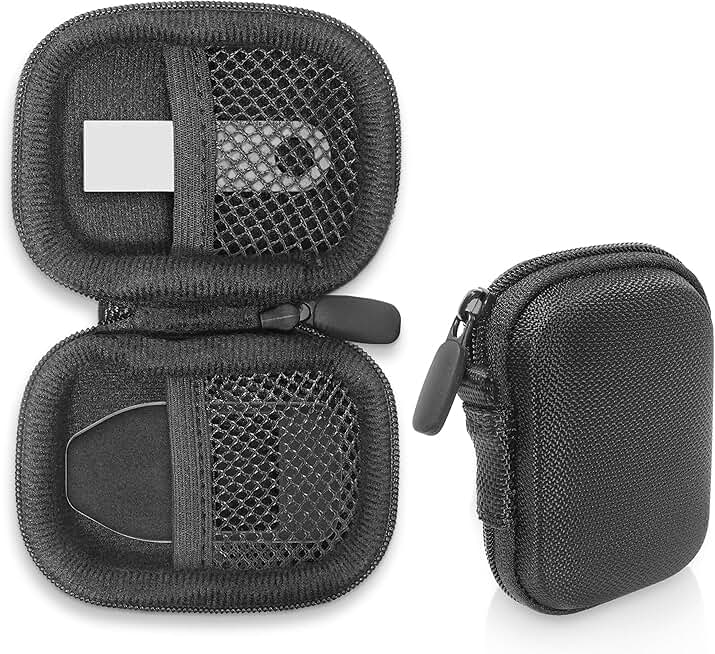
For larger amounts or long-term "buy and hold" strategies, cold storage is non-negotiable. A cold wallet, or hardware wallet, keeps your private keys offline, immune to remote hacking attempts. This is your digital safe. When selecting a device, prioritize established manufacturers like Ledger or Trezor. Avoid unknown brands that might have compromised firmware or backdoors.

As an Amazon Associate, we may earn from qualifying purchases.
The transfer process
Moving funds off an exchange requires attention to detail. First, generate a receiving address from your self-custody wallet. Second, copy this address carefully—never type it manually. Third, initiate the withdrawal on the exchange, double-checking the network type (e.g., Ethereum, Bitcoin, Solana) matches the wallet's supported network. Sending Bitcoin to an Ethereum address will result in permanent loss. Start with a small test transaction to confirm everything works before moving your full balance.
Backup your recovery seed
When you create a self-custody wallet, you are given a recovery seed phrase—usually 12 or 24 words. This phrase is the only way to restore your funds if you lose your device. Write it down on paper and store it in a secure, offline location like a fireproof safe. Never store it digitally: no screenshots, no cloud storage, no email drafts. If your device is stolen or destroyed, this paper is the only key to your wealth.
Analyze market trends first
The Buy Crypto guide works best when the purchase path is explicit. Verify the source, compare the offer against real alternatives, check the total cost, and confirm what happens after payment before you decide. After each comparison, write down the one risk that would change your mind. If the seller, condition, support, warranty, shipping, or upkeep still feels uncertain, resolve that question before moving to checkout.
The simplest way to use this section is to verify the seller, compare the total cost, and resolve the biggest risk before you commit.
Build a sustainable strategy
Buying crypto feels like trying to catch a falling knife if you react to every green candle and red dip. The market moves fast, but your strategy shouldn’t. Sustainable investing isn’t about timing the perfect entry; it’s about removing emotion from the equation so you can stick to your plan when volatility hits.
Dollar-cost averaging (DCA) is the most reliable way to enter the market. Instead of dumping a lump sum in at once, you buy a fixed amount at regular intervals—whether that’s $50 every week or $200 every month. This approach smooths out your average entry price over time. You buy more when prices are low and less when they are high, naturally lowering your risk without needing to predict market bottoms.
Start small and focus on long-term goals rather than hype. As Charles Schwab notes, the key is to gain an understanding of the basics and choose the right platform before you worry about maximizing returns. If you’re unsure about your risk tolerance, start with a smaller allocation that you can afford to hold for years, not days.
Before you execute your first trade, ensure you’ve done the groundwork. Use this checklist to verify you’re ready:
- Define your goal: Are you saving for a specific future date or just building long-term wealth?
- Choose a platform: Select a regulated exchange with strong security features and low fees.
- Set up automation: Schedule recurring buys to enforce discipline and remove emotional hesitation.
- Secure your assets: Decide if you’ll leave funds on an exchange or move them to a hardware wallet.
-
Define your investment goal
-
Select a regulated exchange
-
Set up recurring buy orders
-
Secure your private keys
Remember, consistency beats intensity. A steady, automated approach often outperforms the sporadic, high-stakes bets that lead to emotional burnout.
Common beginner questions answered
New investors often hit the same roadblocks before making their first trade. Below, we address the most frequent questions from people searching for how to buy crypto, focusing on concrete steps and realistic expectations rather than hype.
Understanding these basics helps you avoid common pitfalls. Focus on using reputable platforms and treating your initial capital as a learning expense rather than a get-rich-quick scheme.
No comments yet. Be the first to share your thoughts!