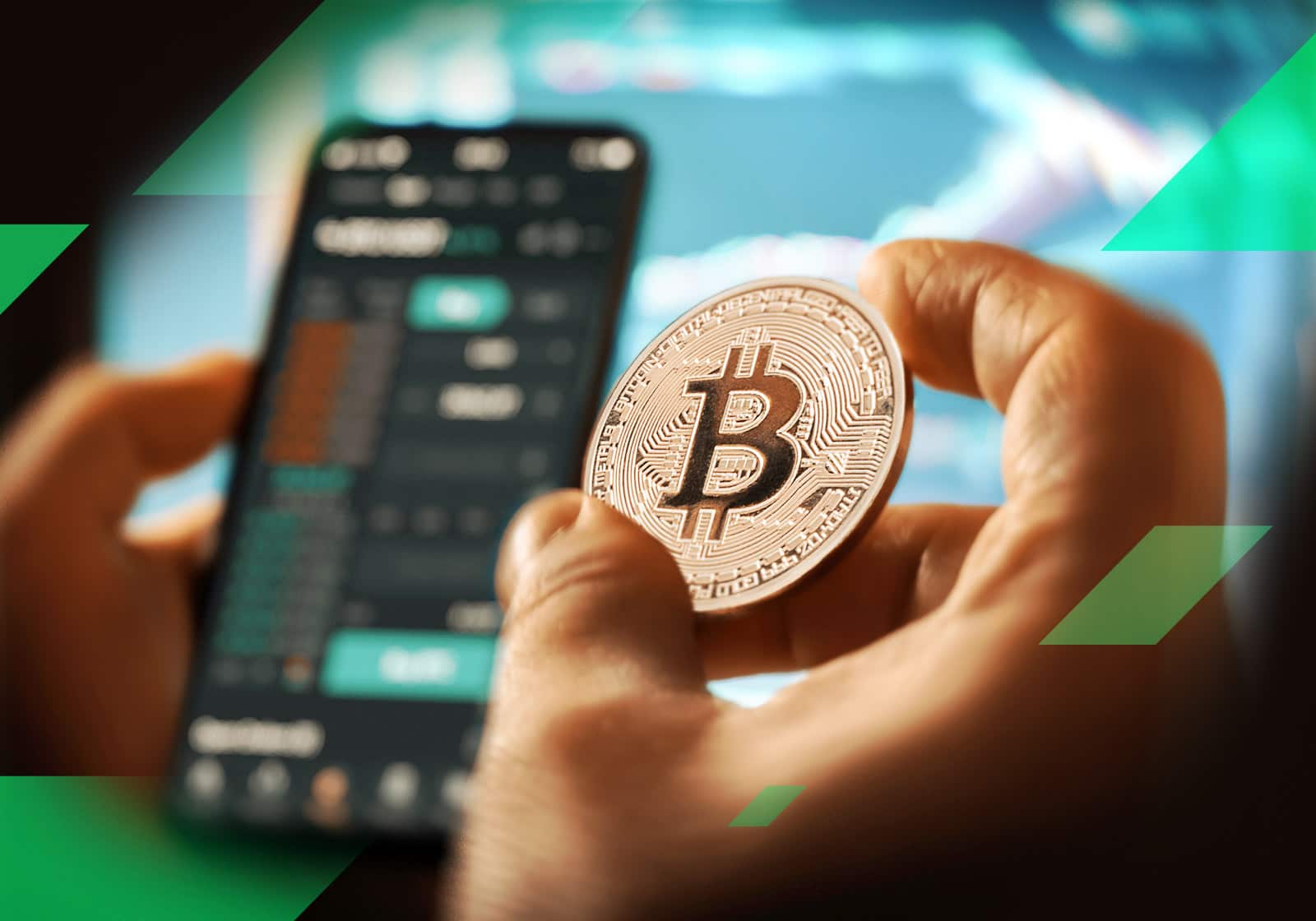
How to buy crypto in 2026
Buying cryptocurrency has shifted from a niche technical task to a standard financial transaction, but the process still requires careful selection of platforms. The core decision involves choosing between centralized exchanges (CEXs) like Coinbase, Binance, and Kraken, which offer high liquidity and user-friendly interfaces, and decentralized exchanges (DEXs) that prioritize self-custody. For most new investors, a regulated CEX provides the necessary balance of ease and security.
The first step is selecting a platform that supports your preferred payment method. Most major exchanges allow purchases via bank transfer, debit card, or credit card, though fees vary significantly. Bank transfers typically offer lower fees but slower settlement times, while instant card purchases come with higher processing costs. Ensure the platform you choose is registered with relevant financial authorities in your jurisdiction to protect your funds.
Once an account is verified, you can fund it and execute your first buy order. It is important to understand the difference between limit orders and market orders. A market order buys crypto immediately at the current best available price, which is suitable for quick entries. A limit order sets a specific price at which you want to buy, allowing you to enter the market at a target level if the price drops. For beginners, starting with a small amount helps you learn the interface without significant risk.



As an Amazon Associate, we may earn from qualifying purchases.
Security should be your priority after purchase. Transferring your assets from an exchange to a personal hardware wallet, such as a Ledger or Trezor, removes them from the platform's custody. This step protects against exchange hacks or insolvency. Always store your recovery phrase offline and never share it with anyone. For those looking to track their investment performance, maintaining a dedicated trading journal can help identify patterns and improve future decision-making.
Buy crypto choices that change the plan
Choosing how to enter the market requires balancing speed, cost, and control. No single platform handles all priorities equally. Some exchanges prioritize low fees for active traders, while others focus on user-friendly interfaces for beginners or institutional-grade custody for large holdings. Understanding these tradeoffs helps you avoid paying for features you don't need or risking security for convenience.
The most immediate decision is selecting the right vehicle for your first purchase. Below is a comparison of common entry points, highlighting the specific tradeoffs involved in each method.
Centralized exchanges like Coinbase, Binance, and Kraken offer the simplest on-ramp for fiat currency. You deposit dollars or euros and buy crypto instantly. The tradeoff is counterparty risk: the exchange holds your private keys. If the platform is hacked or goes insolvent, recovering funds can be difficult. This model is ideal for most beginners because it mirrors traditional banking experiences.
Decentralized exchanges (DEXs) remove the middleman, allowing direct wallet-to-wallet trading. You maintain full control of your assets, which eliminates exchange-specific bankruptcy risk. However, you are responsible for your own security. Losing your seed phrase means losing access to your funds permanently. Additionally, transaction fees (gas) can spike during network congestion, making small trades expensive.
For investors who prefer regulated environments, Bitcoin ETFs traded on traditional stock exchanges offer a middle ground. You buy shares backed by actual Bitcoin through a standard brokerage account. This integrates easily with IRAs and 401(k)s, simplifying tax reporting. The downside is that you do not hold the underlying asset, meaning you cannot use the Bitcoin for payments or transfer it to a hardware wallet. You also pay an annual expense ratio, which erodes returns over time compared to self-custody.
The choice ultimately depends on your technical comfort and long-term goals. Beginners should start with a reputable centralized exchange to learn the ropes. As you gain experience, consider moving a portion of your holdings to a self-custody wallet or exploring decentralized options for greater control. Always verify the security features of any platform before depositing significant funds.
Choose the next step
Buy Crypto works best when the purchase path is explicit. Verify the source, compare the offer against real alternatives, check the total cost, and confirm what happens after payment before you decide. After each comparison, write down the one risk that would change your mind. If the seller, condition, support, warranty, shipping, or upkeep still feels uncertain, resolve that question before moving to checkout.
-
Verify the sellerCheck reputation, included details, delivery terms, and return policy before treating the listing as credible.
-
Compare total costAdd shipping, accessories, maintenance, warranty, and likely replacement costs to the listed price.
-
Confirm fitMatch the option to the real use case before paying for features that will not matter.
Watch out for weak crypto options
Not every platform or strategy fits every investor. The market is full of platforms that promise ease but hide high fees, or strategies that sound simple but carry hidden risks. Before you commit capital, separate the noise from the actual infrastructure.
Platforms with hidden costs
Many exchanges advertise "zero fees" but make up the difference with wide spreads or withdrawal charges. Check the fee schedule before connecting a bank account. If the spread on a $50 trade is 2%, you are starting with a significant loss. Stick to regulated, transparent exchanges like Coinbase or Kraken for the first purchase.
"Guaranteed" daily income claims
You cannot reliably make $1000 a day with crypto unless you are trading with substantial capital and accepting extreme risk. Any course or signal group promising daily returns is likely a scam. Real trading involves losses. Treat crypto as a long-term asset allocation, not a get-rich-quick scheme.
Starting with small amounts
Is $100 enough to start? Yes. Most major exchanges allow fractional purchases, so you can buy $10 worth of Bitcoin. However, fixed withdrawal fees can eat up small balances. If you only have $100, use a platform with low or zero withdrawal fees, or save up to make a larger, more efficient initial deposit.
Historical context vs. future returns
People often ask, "What if I put $1000 in Bitcoin 5 years ago?" The answer is simple: you would have made a profit. But past performance does not predict future results. Bitcoin has matured; it is less volatile than in 2017, but also less likely to 100x overnight. Adjust your expectations to reflect the current market structure.
Infrastructure upgrades matter
Q3 2026 brings network upgrades that affect transaction speeds and costs. Ensure your chosen exchange supports the latest protocols. Using outdated wallets or exchanges that lag on network upgrades can result in stuck transactions or missed opportunities.
Buy crypto: what to check next
These answers address the practical concerns readers face before executing their first trade. The goal is to clarify mechanics, manage expectations, and highlight the risks involved in current market conditions.
The infrastructure upgrades discussed in this guide aim to reduce the friction and security risks that often plague new entrants. By understanding these fundamentals, you can make informed decisions rather than chasing hype.
No comments yet. Be the first to share your thoughts!