How to buy crypto safely in 2026
Buying cryptocurrency in 2026 is less about speculation and more about infrastructure. The market has matured, but the risks remain high. If you lose access to your funds, there is no customer service to call. Your security depends entirely on two pillars: where you buy (trusted exchanges) and where you store (hardware wallets).
Start with a trusted exchange
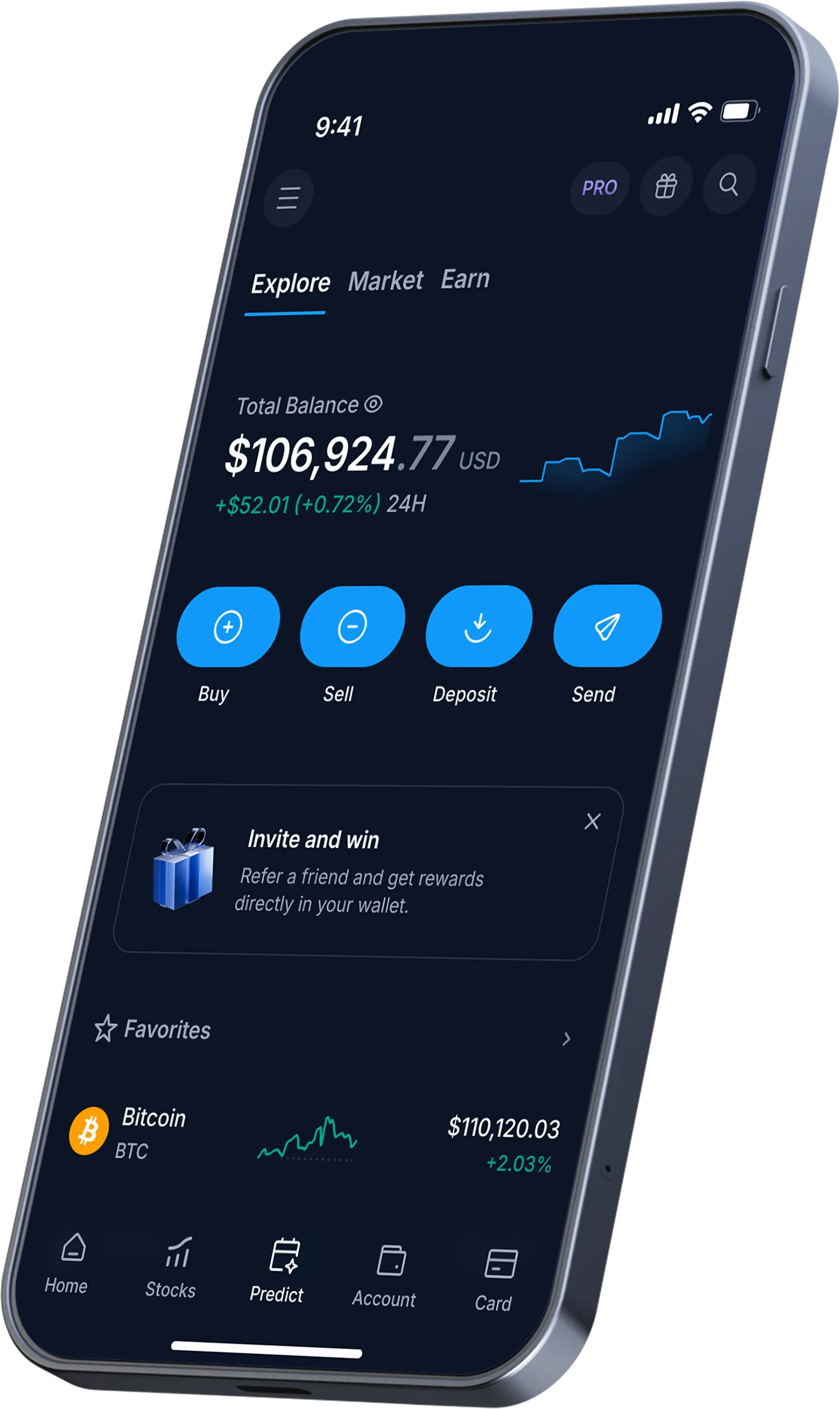
To buy crypto, you need a regulated platform that acts as your gateway to the market. Popular exchange options include Coinbase, Binance, and Kraken. These platforms handle the fiat-to-crypto conversion, allowing you to purchase assets using traditional currency.
Choose an exchange based on your location and regulatory compliance. In the United States, for example, Fidelity and Coinbase offer robust options for retail investors looking to gain exposure to crypto directly or through regulated products like ETFs. Always verify that the platform is registered with local financial authorities.
Secure your assets immediately
Leaving your crypto on an exchange is convenient but risky. If the platform is hacked or goes bankrupt, you could lose everything. The safest approach is to withdraw your assets to a hardware wallet, such as a Ledger or Trezor device.
A hardware wallet stores your private keys offline, making them inaccessible to online hackers. Think of the exchange as your bank and the hardware wallet as your physical safe. You use the exchange to buy, but you keep the real value in the safe.


As an Amazon Associate, we may earn from qualifying purchases.
By combining a reputable exchange for buying with a hardware wallet for storage, you establish a secure foundation for your crypto journey. This two-step process ensures that your assets are both accessible for trading and protected from digital threats.
Best hardware wallets for cold storage
Hardware wallets are the safest way to hold cryptocurrency offline. They keep your private keys away from internet-connected devices, protecting your assets from online hacks. Choosing the right one depends on which coins you plan to store and how comfortable you are with technical setups.
Ledger Nano X
The Ledger Nano X is a top choice for beginners who want to manage many different coins. It connects via Bluetooth to your phone, making it easy to use on the go. The Ledger Live app provides a clean interface for tracking your portfolio. While it is slightly more expensive than basic models, the flexibility and security features justify the cost for most users.
Trezor Model T
For advanced users who prefer a touchscreen, the Trezor Model T offers a premium experience. It supports a wide range of cryptocurrencies and includes a built-in shuffle feature for added privacy. The device is known for its robust open-source software, which appeals to security-conscious investors. It is an excellent option if you want full control over your keys without relying on proprietary firmware.
Tangem Wallet
Tangem offers a unique card-based design that looks and feels like a credit card. There are no screens or buttons to break; you simply tap the card against your phone to sign transactions. This makes it one of the most user-friendly options for those who find traditional hardware wallets intimidating. It is ideal for storing major coins like Bitcoin and Ethereum with minimal technical friction.


As an Amazon Associate, we may earn from qualifying purchases.
Choosing a reliable crypto exchange
Selecting the right platform is the first real hurdle in buying cryptocurrency. You need an exchange that balances low fees with robust security, especially since you will be moving significant value through it. Think of the exchange as your broker; it handles the execution, but you remain responsible for the safety of your assets.
When comparing options, focus on three concrete factors: trading fees, security infrastructure, and user interface. Coinbase offers a familiar, regulated environment ideal for beginners, while Binance provides lower fees and a wider range of assets for those willing to accept a steeper learning curve. Your choice depends on whether you prioritize simplicity or cost efficiency.
| Exchange | Trading Fees | Security Features | Ease of Use |
|---|---|---|---|
| Coinbase | 0.4% - 4% | Insurance, SOC 2, Proof of Reserves | Very High |
| Binance | 0.1% (maker) | SAFU Fund, 2FA, Anti-Phishing | Moderate |
| Kraken | 0.16% - 0.26% | Cold Storage, FDIC Insured USD | High |
The Coinbase mobile app simplifies the initial purchase process, allowing you to buy digital currency with just a few taps. This ease of use comes at a premium, as their fee structure is higher than competitors. Binance, conversely, supports card payments and P2P trading with significantly lower costs, though the interface can feel overwhelming for first-time users.
Essential tools for market research
Buy Crypto works best when the purchase path is explicit. Verify the source, compare the offer against real alternatives, check the total cost, and confirm what happens after payment before you decide.
After each comparison, write down the one risk that would change your mind. If the seller, condition, support, warranty, shipping, or upkeep still feels uncertain, resolve that question before moving to checkout.
The simplest way to use this section is to verify the seller, compare the total cost, and resolve the biggest risk before you commit.
Checklist for your first crypto purchase
Buying your first cryptocurrency is less about timing the market and more about setting up a secure foundation. This checklist walks you through the essential steps, from choosing a trusted exchange to moving your assets into a hardware wallet for long-term safety.
Start by signing up with a reputable, regulated exchange like Coinbase or Kraken. These platforms are publicly traded or heavily audited, reducing the risk of the "runaway CEO" scenario seen with FTX. Complete identity verification (KYC) to unlock fiat deposit options.
Link your bank account or debit card to fund your exchange wallet. For larger amounts, use a bank transfer to avoid high credit card fees. Keep your initial purchase modest to familiarize yourself with the interface and withdrawal limits.
Buy a major asset like Bitcoin (BTC) or Ethereum (ETH). Avoid complex trading pairs or leverage for your first purchase. Stick to a simple "buy" order to acquire your chosen asset at the current market price.
Never leave significant funds on an exchange. Purchase a hardware wallet like a Ledger or Trezor. Generate a new wallet address on your device and withdraw your crypto from the exchange to this private address. This ensures you hold the private keys.
Write down your 12 or 24-word recovery seed phrase on paper and store it in a fireproof safe. Never store it digitally, in the cloud, or as a screenshot. This phrase is the only way to recover your funds if your hardware wallet is lost or damaged.
Common questions about buying crypto
Buying cryptocurrency involves real risks, from security breaches to unexpected tax bills. Answering these specific questions helps you proceed with clearer expectations and fewer costly mistakes.
No comments yet. Be the first to share your thoughts!