Choosing the right exchange
Picking a crypto exchange is like choosing a bank vault. You want one that is secure, accessible, and doesn't charge hidden fees for every transaction. The landscape has shifted significantly since the early days, with regulatory scrutiny now playing a major role in which platforms operate legally in your jurisdiction.
Start by verifying the exchange's regulatory status. Platforms like Coinbase, Binance, and Kraken are widely recognized, but their availability and compliance features vary by country. Check if they are registered with local financial authorities, such as the FinCEN in the US or FCA in the UK. This verification is your first line of defense against fraud and insolvency.
Next, compare the fee structures. Most exchanges use a maker-taker model, where frequent traders pay less. However, for occasional buyers, flat fees or deposit charges can add up quickly. Look for platforms that offer low-cost fiat deposits via bank transfer or ACH, as credit card purchases often incur high cash-advance fees.
Finally, consider asset availability. If you only plan to buy Bitcoin and Ethereum, most major exchanges will suffice. If you are interested in altcoins, DeFi tokens, or staking rewards, you may need a platform with a broader catalog. Always prioritize security features like two-factor authentication (2FA) and cold storage for the majority of user funds.
| Exchange | Security Features | Fee Structure | Asset Range |
|---|---|---|---|
| Coinbase | 2FA, Cold Storage, FDIC Insurance (USD) | 0.4% - 3.99% | Bitcoin, Ethereum, Solana, 200+ |
| Binance | 2FA, SAFU Fund, Biometric Login | 0.1% (Maker/Taker) | Bitcoin, Ethereum, 600+ |
| Kraken | 2FA, Cold Storage, Proven Reserves | 0.16% (Maker) - 0.26% (Taker) | Bitcoin, Ethereum, 200+ |
| Kraken | 2FA, Cold Storage, Proven Reserves | 0.16% (Maker) - 0.26% (Taker) | Bitcoin, Ethereum, 200+ |
Securing Your Digital Assets
Keeping your cryptocurrency on an exchange is like leaving your savings in a hotel safe. It might feel convenient, but you do not hold the key. If the exchange faces regulatory scrutiny, technical failure, or insolvency, your funds are at risk. Self-custody shifts that responsibility—and that control—directly to you.
The gold standard for long-term safety is a hardware wallet. These are physical devices that store your private keys offline, completely isolated from internet-connected computers and smartphones. Even if your computer is infected with malware, the keys never leave the device, making remote theft nearly impossible. Think of it as a vault that requires a physical presence to open.
:max_bytes(150000):strip_icc()/GettyImages-2194779803-33a8726c2066486ab511fb171723d4e7.jpg)
While software wallets offer convenience for small, daily transactions, they remain vulnerable to digital threats. For significant holdings, hardware wallets provide the necessary security layer. Popular options include Ledger and Trezor, which offer robust encryption and user-friendly interfaces for managing multiple cryptocurrencies.
Choosing the right hardware wallet depends on your specific needs. Consider factors like supported coin types, screen size for verification, and backup recovery methods. Always purchase from official sources to avoid tampered devices, and never share your recovery seed phrase with anyone.


As an Amazon Associate, we may earn from qualifying purchases.
Transitioning to self-custody is a critical step in any serious crypto strategy. It ensures that your assets remain yours, regardless of what happens to third-party platforms. By taking control of your private keys, you secure your financial future in the digital age.
Analyzing market trends
Technical analysis is the practice of studying past market data to identify patterns and forecast future price movements. For crypto investors, this means looking at charts to understand where the market has been, which helps in deciding when to enter a position. It is not about predicting the future with certainty, but about managing risk by recognizing support and resistance levels.
Start by looking at Bitcoin and Ethereum. These two assets drive the broader market sentiment. When Bitcoin moves, altcoins often follow. Using a live chart allows you to see real-time price action, volume, and momentum indicators like the Relative Strength Index (RSI) or Moving Averages. These tools help filter out noise and highlight significant trends.
A live view of the market keeps you grounded in current reality rather than stale data. Static screenshots can be misleading if they are days old. By using provider-backed widgets, you get the most accurate picture of liquidity and trading volume. This is essential for high-stakes decisions where timing matters.
Don't rely on a single indicator. Combine price action with volume analysis. If a price breaks out on low volume, it might be a false signal. If it breaks out on high volume, the trend is more likely to sustain. This approach aligns with advice from major financial institutions like Fidelity and Charles Schwab, which emphasize understanding market mechanics before committing capital.
How to execute your first crypto purchase
Buying your first cryptocurrency is less about timing the market and more about getting the mechanics right. The process is straightforward, but it requires attention to detail to ensure your funds are safe and the transaction goes through smoothly. We will walk through the five essential steps to make your first trade.
Start by selecting a platform that is registered with financial authorities in your jurisdiction. For beginners, established exchanges like Coinbase or Public offer intuitive interfaces and regulatory oversight that smaller platforms may lack. Look for platforms that clearly display their licensing status and have a history of secure operations.
Most regulated exchanges require Know Your Customer (KYC) verification before you can deposit funds. This involves uploading a government-issued ID and sometimes a selfie. While this step adds friction, it is a critical security measure that protects your account from fraud and ensures compliance with anti-money laundering laws.
Connect a bank account, debit card, or credit card to your exchange profile. Bank transfers (ACH) typically offer the lowest fees and higher deposit limits, making them the best choice for larger initial purchases. Debit cards are faster but often come with higher transaction fees and lower daily limits.
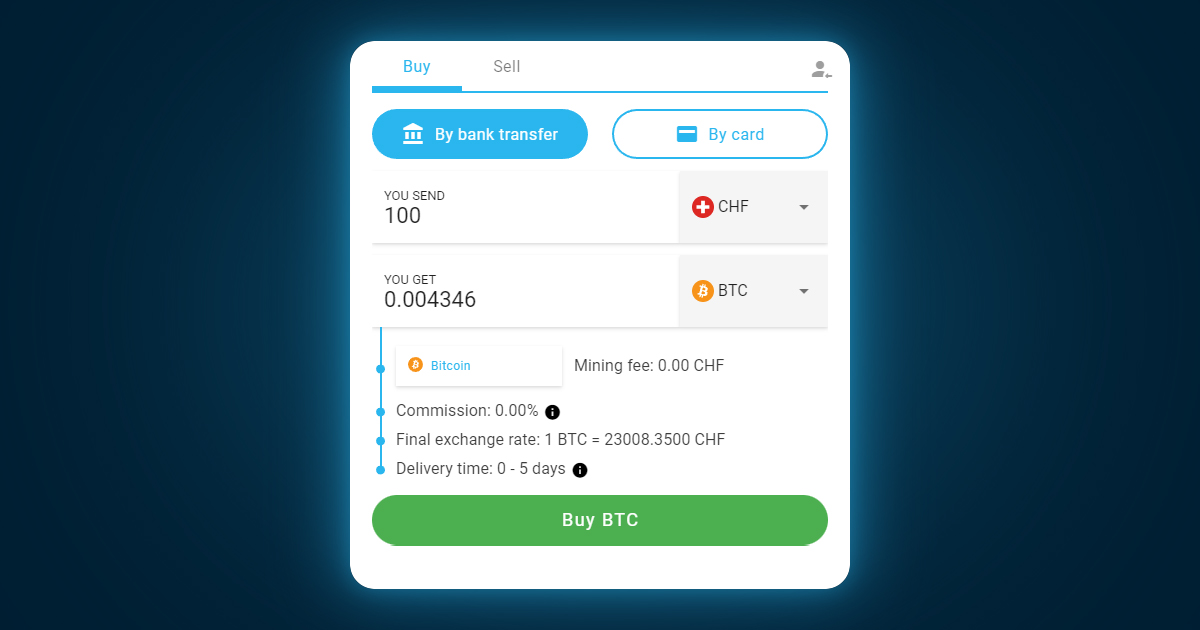
For your first purchase, Bitcoin (BTC) is the most common entry point due to its market dominance and relative stability compared to smaller altcoins. Decide on a fixed dollar amount rather than a specific coin quantity. This approach, known as dollar-cost averaging, helps mitigate the risk of buying at a temporary price peak.
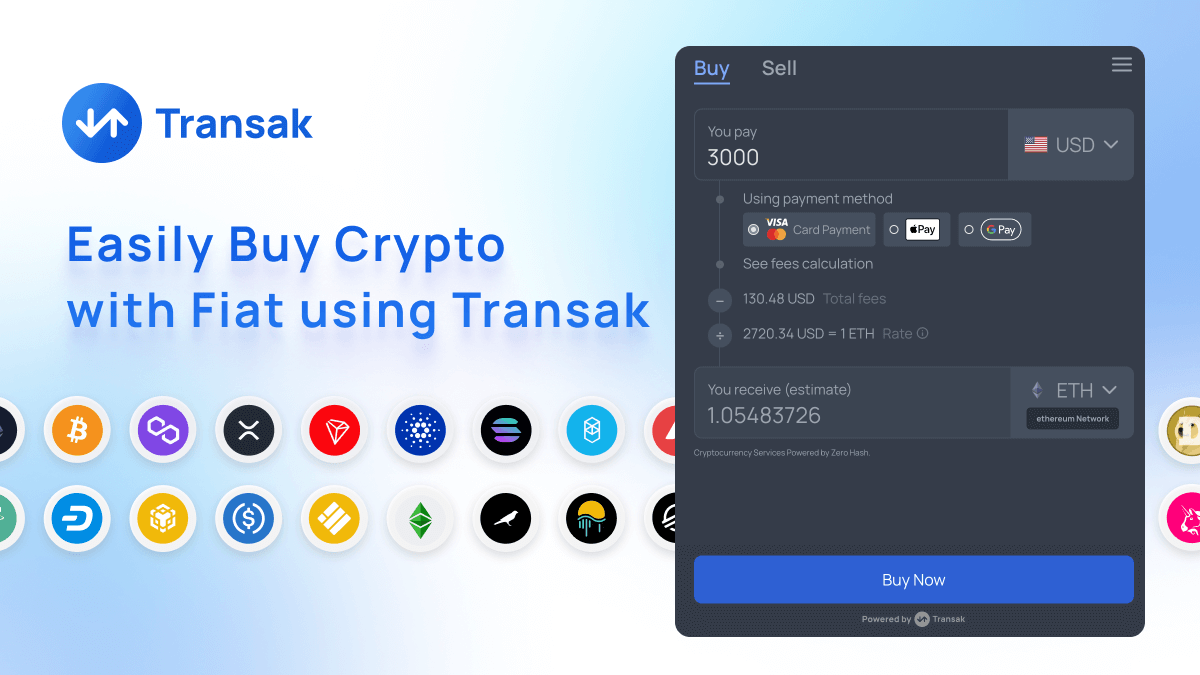
Before finalizing, carefully review the exchange rate, transaction fees, and the total amount you will receive. Exchanges often display a "preview" screen that breaks down these costs. Once you confirm, the transaction is processed on the blockchain. You can track the status in your account dashboard, and the coins will appear in your exchange wallet once confirmed.
After your first purchase, consider moving your assets to a private wallet if you plan to hold them long-term. This gives you full control over your keys and reduces reliance on the exchange's security. For now, keeping them on a reputable exchange is a safe and manageable way to start your journey.
Common beginner: what to check next
New to crypto often feels like trying to read a map in a foreign language. The market moves fast, jargon is dense, and the stakes are real. We’ve rounded up the most frequent questions from new buyers to give you clear, actionable answers without the fluff.
Understanding these basics gives you a solid foundation. The key is to start small, stay educated, and prioritize security over speed.
No comments yet. Be the first to share your thoughts!