Start with secure storage hardware
A buy crypto strategy is only as strong as its weakest link. For most investors, that link is where they keep their coins. Leaving assets on an exchange is convenient, but it means you don't truly own them. If the platform fails, gets hacked, or freezes withdrawals, your funds are gone. Secure storage hardware—specifically hardware wallets—acts as the non-negotiable foundation for holding assets long-term.
Think of a hardware wallet like a safe inside your house. Exchanges are like vaults in a bank you don't control; hardware wallets are a safe only you have the combination to. These devices store your private keys offline, keeping them away from internet-connected threats. This air-gapped security ensures that even if your computer is infected with malware, your crypto remains untouched. For a buy crypto strategy focused on preservation, this step is mandatory, not optional.
When selecting a wallet, look for established brands with a history of security audits and open-source code. Popular options include Ledger and Trezor, which offer varying levels of user interface and coin support. The goal is to find a device that feels secure to you and supports the specific assets you plan to hold. Avoid unknown brands that promise "military-grade" encryption without transparent verification.


As an Amazon Associate, we may earn from qualifying purchases.
Setting up your hardware wallet requires care. Always purchase directly from the manufacturer to avoid tampered devices. During setup, you will be given a 12-24 word recovery phrase. Write this down on paper and store it in a fireproof, waterproof location. Never digitize this phrase; taking a photo or saving it in a password manager defeats the purpose of air-gapped security. With your hardware wallet secured, you can begin buying crypto with confidence, knowing your assets are protected from the most common online threats.
Track real-time market movements
Static price snapshots are relics. When you are executing a buy crypto strategy for 2026, relying on yesterday’s closing price is like driving while looking in the rearview mirror. The market moves in seconds, and your entry point is determined by current liquidity and momentum, not historical averages.
To avoid buying at a local peak, you need to see the order flow as it happens. A live technical chart reveals support and resistance levels that static data hides. Watching these levels shift in real time helps you identify when a trend is weakening before the broader market reacts.
Live price widgets provide the immediate context needed to time your entries. Instead of guessing if Bitcoin is "high" or "low," you compare current quotes against recent volatility bands. This data-driven approach removes emotion from the equation, allowing you to stick to your predetermined entry criteria.
PriceWidget
This focus on current data protects your capital. Short-term speculation thrives on speed, but long-term strategy thrives on discipline. By anchoring your decisions to live market movements, you ensure that every dollar you deploy is informed by the actual state of the market, not a delayed reflection of it.
Apply dollar-cost averaging tactics
Dollar-cost averaging (DCA) is the most reliable way to enter the crypto market without stressing over daily price charts. Instead of trying to guess the perfect bottom, you commit to buying a fixed dollar amount at regular intervals—whether that’s $50 every Monday or $200 at the start of every month. This approach removes emotion from the equation and smooths out the extreme volatility that defines digital assets.
The math works in your favor during downturns. When prices drop, your fixed budget buys more coins. When prices surge, your budget buys fewer. Over time, this results in a lower average cost per coin compared to making a single lump-sum investment at a random high point. It is a long-term strategy that prioritizes accumulation over speculation, ensuring you hold a position regardless of short-term noise.
Timing the market is notoriously difficult, even for professional traders. Most investors who try to buy only when they think the price is "low" end up missing the best recovery days or holding cash while the market rallies. DCA forces discipline. You show up when you’re excited, and you show up when you’re afraid. This consistency builds a robust portfolio over years, not days.
To implement this, use the automated recurring buy features offered by most major exchanges. Set your schedule, choose your asset, and let the system execute. This hands-off method aligns with a secure, long-term strategy, keeping you focused on the broader trend rather than the daily ticker.
Compare exchange features and fees
Choosing the right platform is less about finding the "best" exchange and more about finding the one that aligns with your execution style and risk tolerance. A platform that offers low fees for high-frequency trading might lack the security infrastructure needed for holding significant long-term assets, while a bank-grade custodian may charge premiums that erode margins on smaller trades.
To make a clear decision, we need to look beyond marketing slogans and evaluate the core mechanics: how much you pay to trade, how your assets are protected, and how easy it is to move money in and out. The table below breaks down three distinct types of platforms often used by serious investors, highlighting the trade-offs between cost, security, and usability.
| Platform Type | Fee Structure | Security & Custody | Usability |
|---|---|---|---|
| Centralized Exchange (CEX) | 0.1%–0.6% maker/taker | Platform-controlled; insurance funds vary | High; intuitive for beginners |
| Decentralized Exchange (DEX) | Network gas + protocol fees | Self-custody; smart contract risk | Medium; requires wallet setup |
| Institutional Custodian | Negotiated; often asset-based | Cold storage; regulated audits | Low; slower onboarding |
| Hybrid Broker | Flat fee or spread markup | Segregated accounts; FDIC/SIPC varies | High; familiar banking interface |
The distinction between a Centralized Exchange (CEX) and a Decentralized Exchange (DEX) is fundamental. On a CEX, you are trusting a company to safeguard your keys and funds. This offers convenience and speed but introduces counterparty risk. On a DEX, you retain control of your private keys, which eliminates the risk of a platform hack but shifts the burden of security entirely to you. If you lose your seed phrase, your assets are gone forever.
For most investors entering the market in 2026, a hybrid approach often makes sense. Use a regulated broker or major CEX for initial fiat on-ramping and ease of use, then transfer long-term holdings to a hardware wallet or a regulated custodian. This balances the need for accessible entry points with the security requirements of a high-stakes portfolio.
Before committing funds, verify the exchange’s regulatory status in your jurisdiction. Official sources like the SEC or local financial conduct authorities maintain lists of registered entities. This simple check can prevent you from falling victim to unregulated platforms that may disappear overnight, a risk that remains prevalent in the crypto space.
Review your strategy quarterly
Crypto markets shift faster than traditional finance, making a static buy-and-hold approach risky over time. What worked in 2024 might not fit the risk profile of 2026. Quarterly reviews act as a necessary reset, ensuring your portfolio aligns with current market conditions and your personal financial goals.
Start by auditing your security posture. Rotate API keys, update 2FA methods, and verify cold storage access. Simultaneously, check your asset allocation. If a single coin has grown to dominate your portfolio, trim it to lock in gains and reduce exposure. This discipline prevents emotional decisions during high-volatility periods.
Use live data to ground your decisions. Check current market trends to see if your holdings are tracking with broader sector performance or diverging significantly.
Follow this structured review process to keep your strategy intact:
Log into your exchange and hardware wallet interfaces. Enable or refresh two-factor authentication (2FA) and review active API sessions. Revoke any unused keys to minimize attack surfaces. This step is non-negotiable for long-term holders.
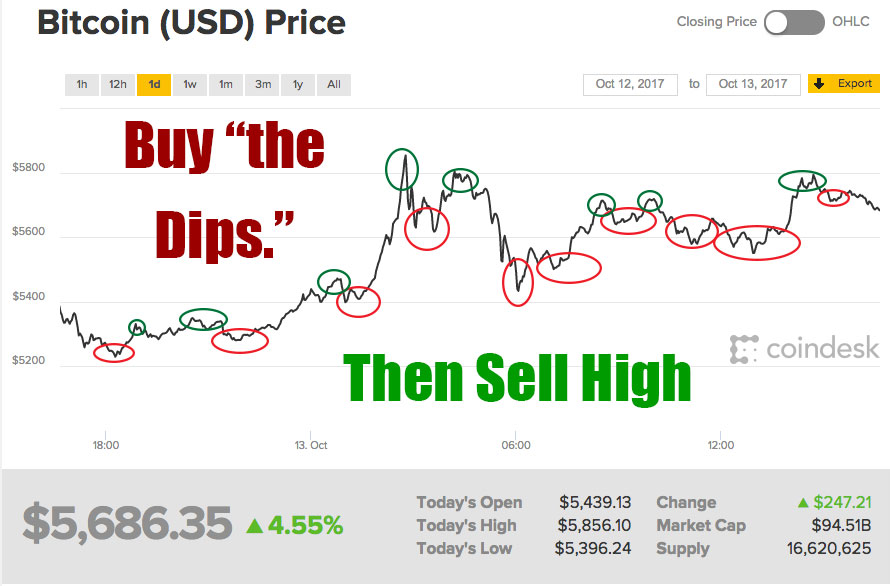
Compare your current portfolio weights against your initial targets. If Bitcoin or Ethereum has surged, sell a portion to buy underperforming but fundamentally sound altcoins, or move profits to stablecoins. This "sell high, buy low" mechanism enforces discipline and manages risk.
Assess the broader macroeconomic environment. Are interest rates rising or falling? Is regulatory news favorable? Adjust your entry strategy accordingly—perhaps shifting from aggressive accumulation to steady dollar-cost averaging if volatility spikes.
Write down what worked and what didn't in the past quarter. Did you panic sell during a dip? Did you miss a rally due to inaction? Recording these behaviors helps correct psychological biases before they impact your next cycle.
Consistency beats intensity. A quarterly review takes only a few hours but protects your capital from neglect. Treat your crypto strategy like a business plan: it needs regular updates to remain viable.
No comments yet. Be the first to share your thoughts!