The market has shifted from speculation to infrastructure
The crypto landscape in 2026 is defined by stability rather than volatility. The approval of spot Bitcoin and Ethereum ETFs marked a turning point, moving the asset class from the fringes of speculative retail trading into the core of institutional portfolios. This shift has been driven by the entry of major financial institutions like Fidelity and Charles Schwab, which now offer direct crypto exposure to millions of investors who previously lacked the technical knowledge or trust to navigate decentralized exchanges.
This institutionalization has changed how the market operates. Rather than chasing short-term pumps, the current focus is on regulated access and long-term holding strategies. For beginners, this means the barrier to entry is lower, but the expectations for security and compliance are higher. The market is no longer just about buying tokens; it is about understanding the underlying infrastructure that supports them.
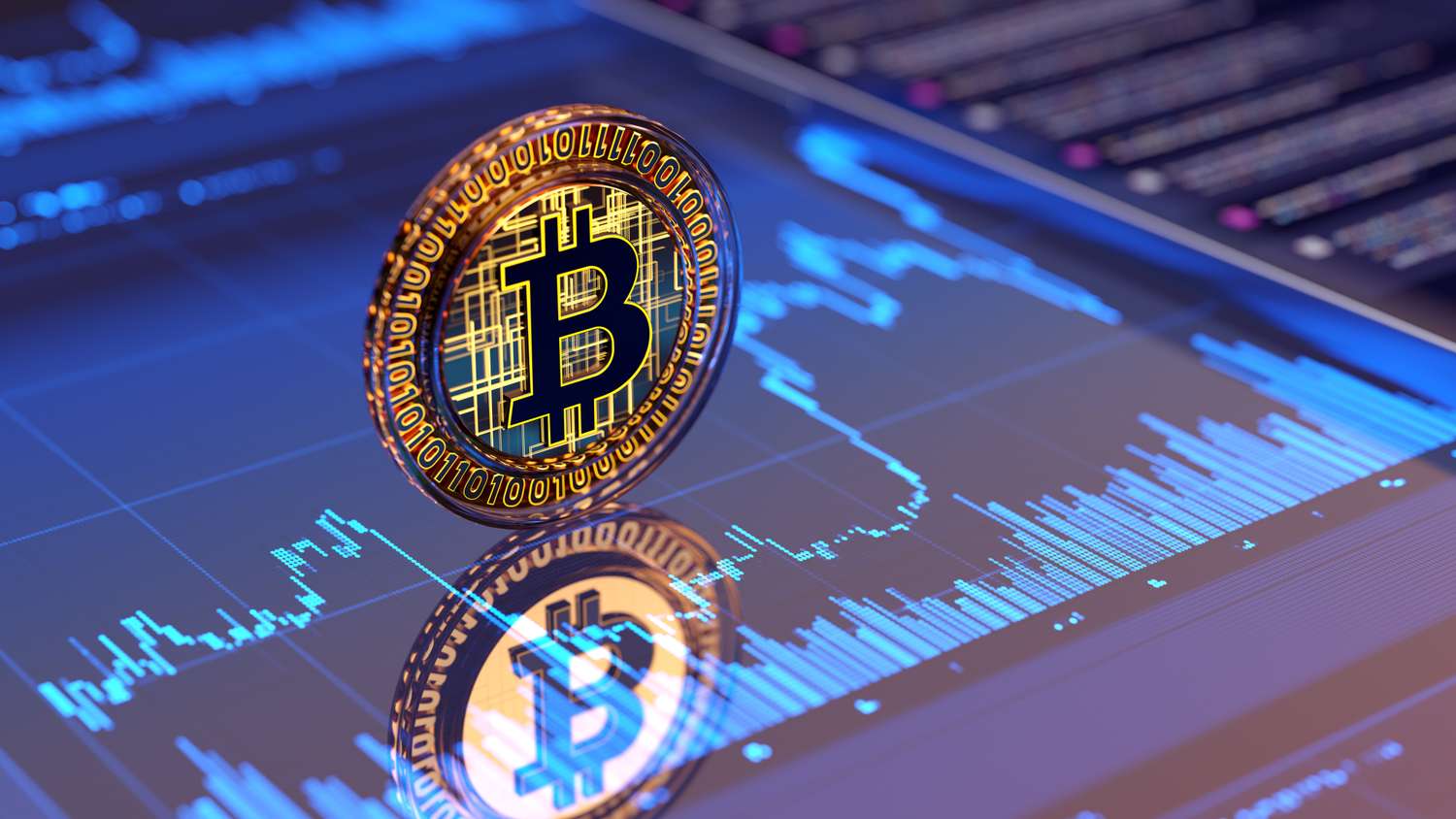
To understand where the market is going, it helps to look at where it has been. The long-term trend for Bitcoin remains the primary indicator of market health, showing a steady climb despite periodic corrections. This trajectory reflects growing confidence among large-scale investors who view crypto as a distinct asset class rather than a gambling vehicle.
The presence of major financial advisors in the space has also brought a necessary dose of realism. Fidelity and Schwab both emphasize starting small and focusing on long-term goals. This advice is not just cautionary; it is a reflection of the market's maturation. As more traditional finance players adopt crypto, the noise of hype is being replaced by data-driven analysis and regulated frameworks.
For those looking to buy crypto in 2026, the question is no longer "if" but "how." The tools are now familiar, the platforms are reputable, and the infrastructure is robust. The challenge lies in navigating this new landscape with the same discipline applied to any other investment vehicle.
Choosing a regulated exchange
Selecting the right platform is the first step in buying cryptocurrency, and the choice dictates your security, costs, and ease of use. You generally have two paths: dedicated cryptocurrency exchanges or traditional finance platforms that have added crypto services. Both options require strict identity verification, but they differ significantly in how they handle your assets and what they charge.
Dedicated exchanges like Coinbase, Binance, and Kraken are built specifically for digital assets. They offer the widest selection of coins, including Bitcoin, Ethereum, and various altcoins. These platforms often provide advanced trading tools and lower fees for high-volume users. However, they require you to manage your own security protocols more closely, especially if you withdraw funds off-platform.
Traditional finance platforms, such as Fidelity Investments, offer a more familiar interface for users accustomed to stock trading. Buying crypto through a brokerage means your assets are often held in a custodial account similar to a retirement fund. This can simplify tax reporting and provide an extra layer of institutional oversight. The trade-off is typically a smaller selection of assets and higher transaction fees compared to dedicated crypto-native exchanges.
When comparing platforms, focus on three core areas: regulatory compliance, fee structure, and security features. Regulatory compliance ensures your funds are protected under local laws. Fee structures vary from flat fees to percentage-based trading costs. Security features include two-factor authentication, cold storage, and insurance coverage. Use the comparison below to evaluate major options side-by-side.
| Platform | Type | Fee Structure | Key Security Feature | Asset Selection |
|---|---|---|---|---|
| Coinbase | Dedicated Exchange | 0.4% - 4% | Two-Factor Auth, Custodial Insurance | Broad |
| Binance | Dedicated Exchange | 0.1% - 0.4% | SAFU Fund, 2FA | Very Broad |
| Kraken | Dedicated Exchange | 0.16% - 0.26% | Cold Storage, 2FA | Broad |
| Fidelity | Traditional Finance | 1% - 1.5% | Institutional Custody | Limited (BTC, ETH) |
For most beginners, starting with a regulated, user-friendly platform like Coinbase or Fidelity provides a safer entry point. As you become more comfortable with the technology and market dynamics, you may consider moving to a dedicated exchange with lower fees and more features. Always prioritize platforms that are transparent about their regulatory status and security practices.
Custodial vs. Non-Custodial Storage
When you buy crypto, you are choosing between two fundamentally different ways to hold your assets: custodial and non-custodial storage. Understanding this distinction is the first step in securing your investment against exchange failures, hacks, or regulatory freezes.
Custodial storage means a third party, such as a centralized exchange (CEX) or a bank, holds your private keys. While this mimics the convenience of a traditional bank account—allowing for easy password resets and customer support—it introduces significant counterparty risk. If the exchange is compromised or decides to freeze your account, you lose access to your funds. This model is suitable for active trading where speed matters more than absolute control.
Non-custodial storage, by contrast, means you hold the private keys yourself. This gives you complete sovereignty over your assets but places the entire burden of security on you. If you lose your recovery phrase or seed words, your funds are gone forever. For long-term holdings, non-custodial storage is the standard for mitigating exchange risk.
Hardware Wallets for Long-Term Security
For serious investors, a hardware wallet is the most reliable form of non-custodial storage. These devices are specialized computers that store your private keys offline, ensuring they never touch an internet-connected device. This "cold storage" approach effectively neutralizes remote hacking attempts, as the keys cannot be extracted without physical access to the device and often a PIN or passphrase.
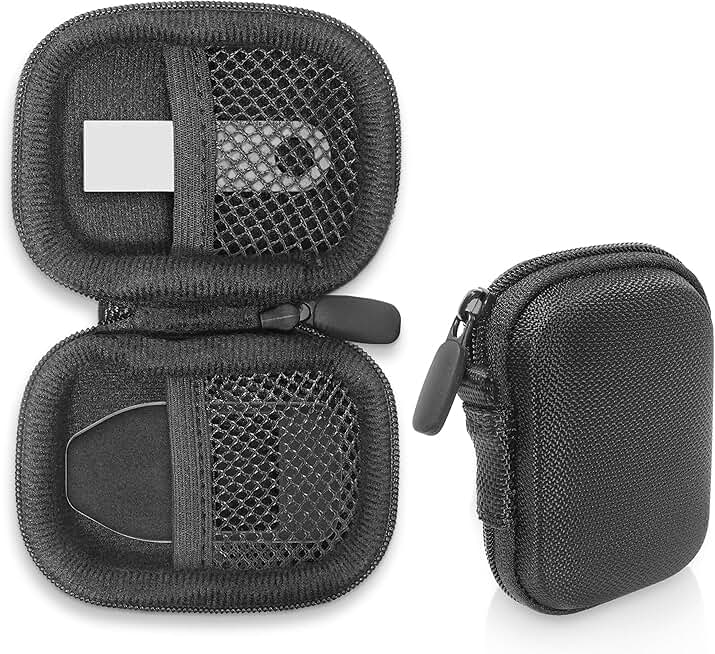
Popular options include Ledger, Trezor, and Tangem. When selecting a wallet, prioritize open-source firmware and a reputable track record of security audits. Avoid wallets that store keys on a mobile app alone, as smartphones are more vulnerable to malware. Always purchase hardware wallets directly from the manufacturer to prevent supply-chain tampering.


As an Amazon Associate, we may earn from qualifying purchases.
The choice between these devices often comes down to user interface and backup philosophy. Ledger and Trezor use traditional seed phrases, which you must write down and store securely. Tangem uses a card-based system where the seed is encrypted on the chip, offering a more modern, user-friendly experience for beginners. Regardless of the brand, the principle remains the same: your keys, your crypto.
Asset selection for beginners
Choosing your first cryptocurrencies is less about finding the next ten-bagger and more about building a foundation you can understand. For most new investors, the goal is to establish familiarity with market mechanics while minimizing exposure to unproven projects. This means focusing on established assets that have demonstrated resilience, clear utility, and broad institutional trust.
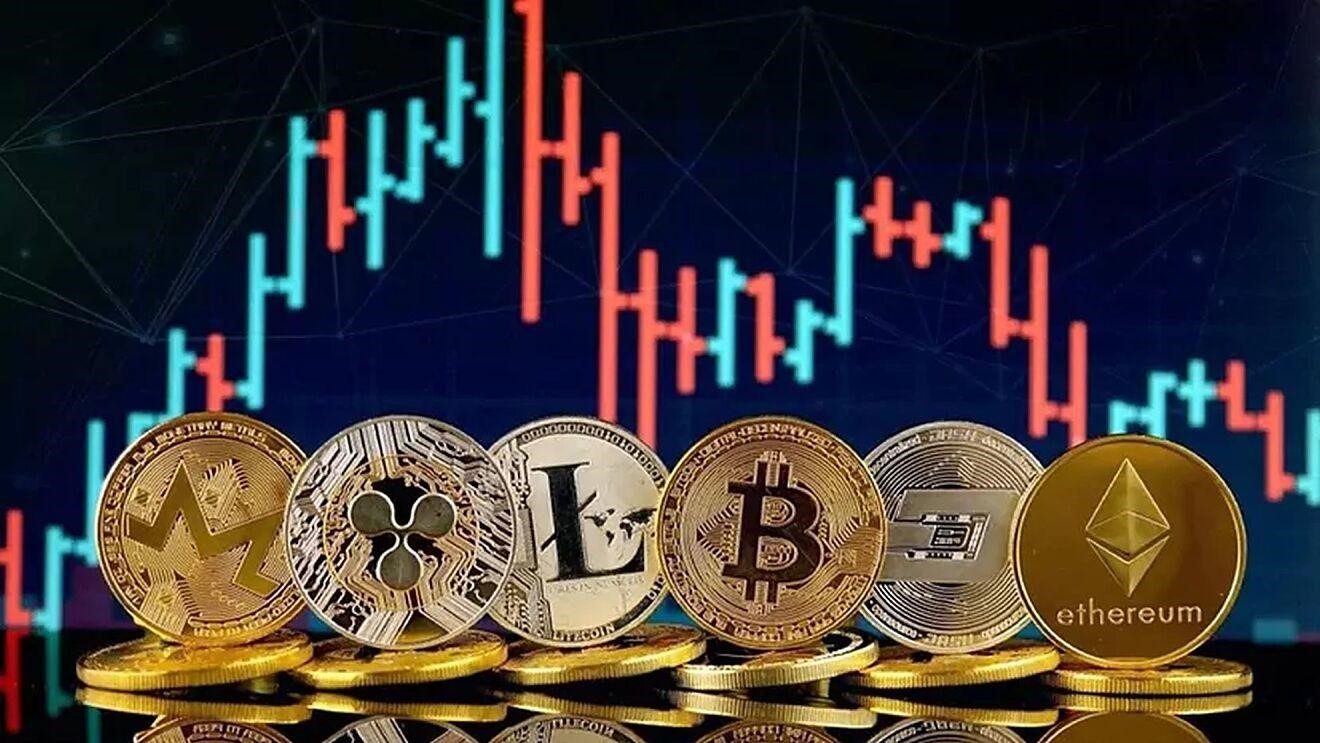
Bitcoin remains the primary anchor for any beginner portfolio. It functions as digital gold, offering the highest level of market trust and liquidity. Ethereum serves as the next logical step, providing exposure to the infrastructure of decentralized finance and smart contracts. These two assets represent the safest entry points into the ecosystem, balancing growth potential with relative stability.
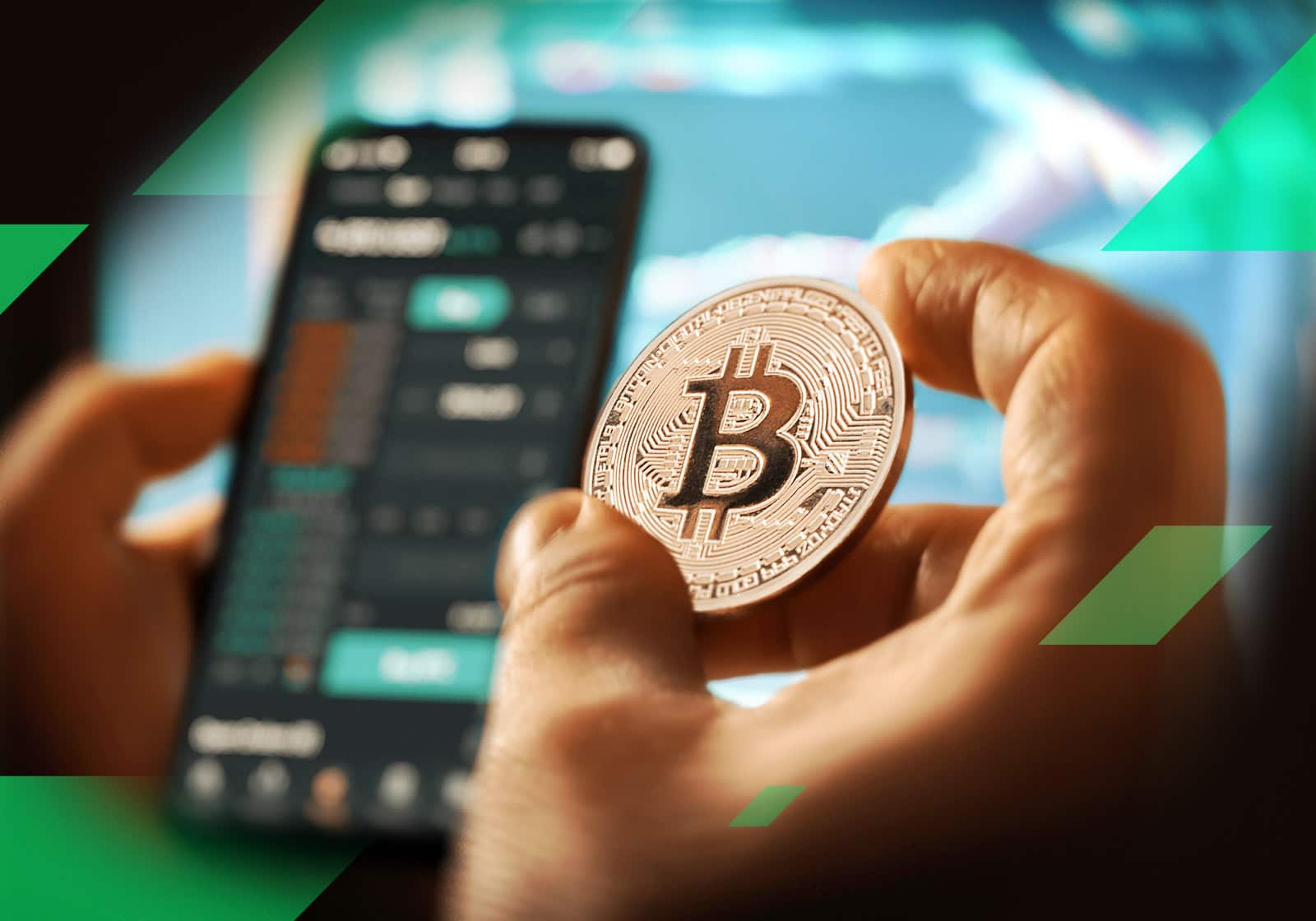
While some beginners seek higher returns through smaller cap coins, the volatility often outweighs the benefits for those still learning. Stablecoins like USDC or USDT offer a low-volatility way to practice trading and understand market movements without the risk of significant drawdowns. Starting with these established assets allows you to focus on learning how exchanges, wallets, and security work before venturing into more speculative territory.
Building a disciplined strategy
Emotional trading is the fastest way to erode capital. A disciplined strategy removes guesswork by replacing impulse with a repeatable process. The goal is not to time the market perfectly but to participate in it consistently while managing downside risk.
Start by defining your risk parameters before you place a single order. Determine the maximum percentage of your portfolio you are willing to lose on any single asset. For most beginners, this means allocating only a small fraction—often 1-5%—to crypto entirely, with Bitcoin or Ethereum making up the bulk of that exposure. This cap ensures that a 50% drop in the market does not derail your broader financial health.
Instead of trying to buy at the bottom, commit to buying a fixed amount at regular intervals. If you invest $100 every week, you buy more crypto when prices are low and less when they are high. This smooths out volatility and removes the stress of watching charts all day. Schwab notes that focusing on long-term goals rather than hype is the key to sustainable investing.
Security begins with the exchange. Prioritize platforms that are publicly traded or have clear regulatory compliance in your jurisdiction. Public.com and other regulated brokers offer a simpler, safer entry point for beginners compared to unregulated offshore exchanges. Verify that your funds are protected and that the platform has a history of transparent operations.
Once your strategy is set, automate your purchases and remove yourself from the equation. Constant monitoring leads to panic selling during dips and FOMO buying during spikes. Let your dollar-cost averaging plan run for at least 6-12 months before evaluating performance. This detachment is essential for maintaining discipline in a volatile asset class.
By sticking to a plan, you turn crypto investing from a gambling activity into a structured financial habit. The market will always offer a new reason to panic or celebrate; your strategy should remain indifferent to both.
Common beginner: what to check next
Buying crypto can feel overwhelming, but starting with established assets reduces risk. Most beginners benefit from sticking to assets with clear use cases and high liquidity.
No comments yet. Be the first to share your thoughts!