Why infrastructure matters now
The crypto market has moved past the era of pure retail speculation. What remains is a market increasingly defined by institutional-grade infrastructure. For anyone building a modern buy crypto guide, the foundation is no longer just about which exchange to use, but how secure, compliant, and resilient the underlying systems are.
In the past, buying Bitcoin or Ethereum was often a matter of finding a platform that didn’t crash during peak traffic. Today, the focus has shifted to custody solutions, regulatory compliance, and operational reliability. Institutional players demand transparency and security measures that retail users are only now beginning to expect. This shift is not just about safety; it is about creating a market that can sustain long-term growth without the volatility of systemic failures.
This evolution means that the platforms you choose must be evaluated on more than just fees or interface design. They must demonstrate robust security protocols, clear regulatory standing, and reliable uptime. As the market matures, the difference between a good crypto platform and a bad one will be measured in its infrastructure. Understanding this shift is the first step in navigating the 2026 crypto landscape with confidence.
Choosing the right exchange platform
Finding a place to buy crypto is the first real hurdle. Most beginners look at fees first, but that is a mistake. A low trading fee means nothing if the platform freezes your withdrawals or if the order books are too thin to fill your trade. You are not just buying tokens; you are depositing life savings into a digital vault. The platform you choose acts as that vault, so its structural integrity matters far more than a few basis points in trading costs.
Security and regulatory compliance form the foundation of any trustworthy exchange. Look for platforms that have undergone independent security audits and offer cold storage for the majority of user funds. Regulatory standing is equally important. Exchanges operating under clear licenses in major jurisdictions like the US, EU, or UK are subject to stricter capital requirements and consumer protection laws. This oversight provides a layer of safety that unregulated offshore platforms simply cannot match. If an exchange disappears, your funds are likely gone. If a regulated exchange faces issues, there are legal recourse mechanisms available.
Liquidity determines how easily you can enter or exit a position. High liquidity means tight spreads and minimal slippage, ensuring you get the price you see on the screen. This is particularly critical for larger orders. A platform with poor liquidity might show a good price for $100, but that same price could vanish for a $10,000 trade. Always check the volume of the assets you intend to trade. Bitcoin and Ethereum pairs will always have deep liquidity on major exchanges, but altcoin pairs can vary wildly. Choose a platform that aligns with the specific assets you plan to hold long-term versus those you might trade frequently.
The following comparison highlights how major platforms stack up against these critical criteria. Use this as a starting point, but always verify current fee structures and supported assets directly on the provider’s site.
| Platform | Security Focus | Regulatory Status | Best For |
|---|---|---|---|
| Coinbase | Institutional-grade custody, insurance coverage | US-listed, NYDFS BitLicense | High-volume BTC/ETH pairs |
| Kraken | Cold storage, proof-of-reserves | US/EU regulated, established compliance | Strong fiat on-ramps, deep order books |
| Binance | SAFU fund, multi-sig wallets | Varies by jurisdiction, global presence | Highest global volume, widest asset list |
| Coinbase Advanced | Same as Coinbase, enhanced controls | US-listed, strict KYC/AML | Professional-grade depth for large orders |
How to evaluate crypto assets before buying
Choosing the right cryptocurrency requires looking past the hype and examining the underlying infrastructure. You are not just buying a token; you are buying into a specific economic model, a technology stack, and a team. Treat this like a business acquisition rather than a lottery ticket. Start by understanding what the asset actually does. Is it a store of value like Bitcoin, a platform for smart contracts like Ethereum, or a specialized utility token? NerdWallet defines cryptocurrency as digital assets running without central authority, but the value proposition varies wildly between projects.
1. Assess market capitalization and liquidity
Market cap is a more reliable indicator of stability than price per coin. A low price does not mean an asset is cheap; it often reflects a massive supply. Look for assets with deep liquidity to ensure you can enter and exit positions without slippage. Large-cap coins like Bitcoin and Ethereum offer lower volatility and higher liquidity, making them safer starting points. Smaller caps may offer higher growth potential but come with significantly higher risk. Always check the daily trading volume on reputable exchanges to confirm real demand.
2. Verify utility and tokenomics
Every viable project must solve a specific problem. Ask yourself: Does this token have a clear use case? Is the tokenomics model sustainable? Look for tokens that have actual utility within their ecosystem, such as paying for transaction fees or governance rights. Be wary of projects with excessive token supplies or vesting schedules that could flood the market with sell pressure. Understanding the supply dynamics helps you predict future price action and avoid buying into inflationary traps.
3. Scrutinize the team and development activity
A strong team is often the difference between a project that lasts and one that fades. Check the backgrounds of the founders and core developers. Do they have relevant experience in blockchain technology or finance? Use GitHub to review their development activity. Regular commits and active community engagement signal a healthy, evolving project. If the development has stalled or the team is anonymous, proceed with extreme caution.
4. Analyze price trends and volatility
Historical price action can provide context, though past performance does not guarantee future results. Use technical charts to identify long-term trends and support levels. This helps you understand the asset's volatility profile and potential entry points.
Secure storage and custody options
Choosing where to keep your assets is the most critical step in securing your crypto portfolio. The right custody solution depends entirely on how much you plan to trade versus how long you intend to hold. Understanding the trade-offs between convenience and security will help you avoid common pitfalls.
Hot wallets are internet-connected software applications that make buying, selling, and swapping crypto easy. They are ideal for holding small amounts needed for daily transactions or active trading. However, because they are online, they are more vulnerable to hacking and phishing attacks. Keep only what you need for immediate use in a hot wallet.
Cold storage devices are hardware wallets that keep your private keys offline, making them immune to remote hacks. This is the safest option for significant holdings you do not need to access frequently. While you must physically connect the device to sign transactions, the isolation provides a robust security layer. Fidelity and other major financial institutions often recommend this split strategy for serious investors.
Institutional custody involves entrusting your crypto to specialized, regulated third-party custodians. These providers offer insurance, compliance reporting, and multi-signature security protocols that are difficult to replicate personally. This option is best for high-net-worth individuals or businesses that need enterprise-grade security and legal protection. It removes the burden of self-custody but introduces counterparty risk.


As an Amazon Associate, we may earn from qualifying purchases.
Think of your crypto strategy like a physical bank account. You keep a small amount of cash in your pocket (hot wallet) for quick purchases, but your life savings stay in a safe deposit box (cold storage). This balance ensures you have liquidity for opportunities while protecting your wealth from digital threats.
Building a long-term crypto strategy
Buying crypto is easy; keeping it is hard. Volatility is the default state of digital assets, and emotional reactions to price swings are the fastest way to lose capital. To manage risk, you need a mechanical approach that removes emotion from the equation. This section outlines a framework for dollar-cost averaging (DCA) and periodic rebalancing to build a resilient portfolio.
Start by deciding what percentage of your net worth you are willing to allocate to crypto. For most conservative investors, this ranges from 1% to 5%. Within that allocation, anchor your portfolio in established assets like Bitcoin and Ethereum. These are the least likely to go to zero and offer the most liquidity. Treat altcoins as speculative satellite positions, not core holdings.
Dollar-cost averaging means buying a fixed dollar amount at regular intervals, regardless of price. If you can invest $100 weekly, set up an automatic purchase on your exchange. This smooths out the entry price over time. You buy more when prices are low and less when they are high, removing the need to time the market.
Set a calendar reminder to review your portfolio every three months. If Bitcoin has surged and now makes up 80% of your crypto allocation instead of your target 60%, sell the excess profit and buy the underperforming assets. This forces you to "sell high and buy low" systematically, locking in gains and maintaining your risk profile.
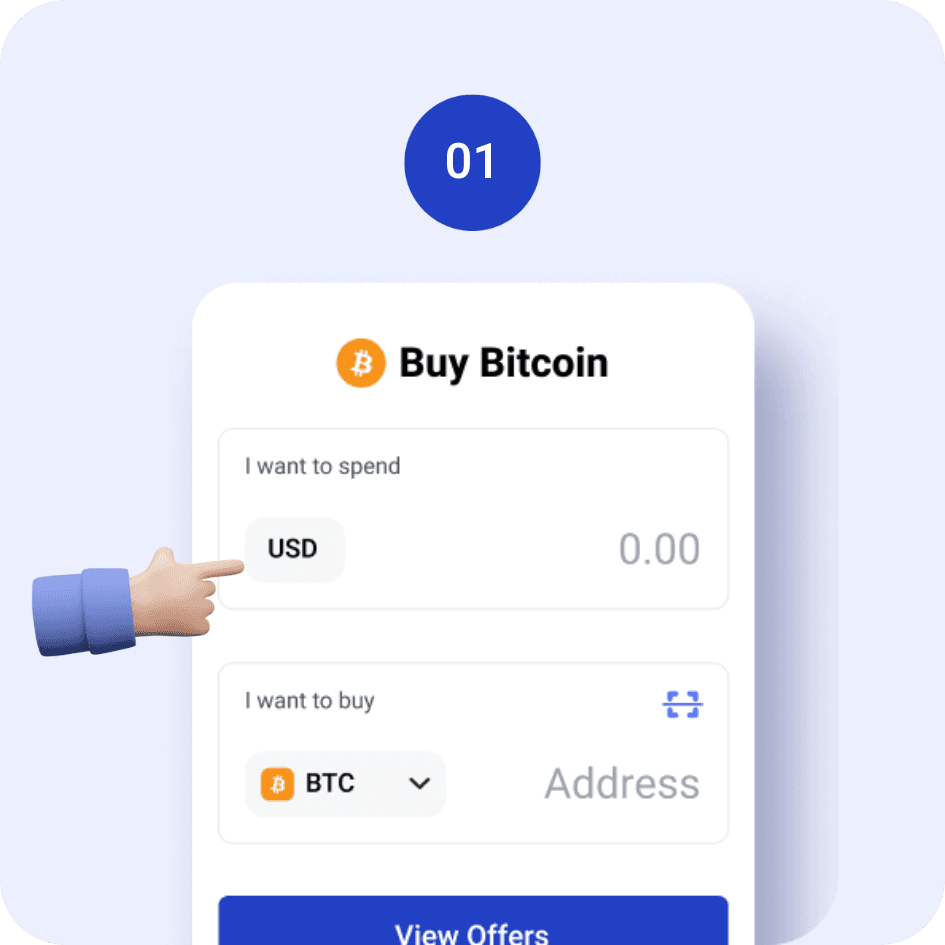
Exchanges are convenient but carry counterparty risk. If your portfolio grows beyond a small speculative amount, move your assets to a self-custody hardware wallet. This ensures you control your private keys. Never share your seed phrase. This step is non-negotiable for long-term holders.
This strategy requires patience. It will feel boring compared to day trading. However, historical data from platforms like Schwab and Money shows that consistent, automated investing in major assets outperforms most active trading attempts over multi-year horizons. Stick to the plan, ignore the noise, and let compounding work.
What crypto should beginners buy?
Bitcoin and Ethereum are usually the easiest starting points for crypto investment for beginners [1]. These assets offer the most liquidity and the longest track records, which reduces the risk of encountering a platform failure or a project that vanishes overnight. If you are new to the space, treating these two as your foundation is the standard approach for managing volatility.
Solana can suit users who want higher-growth exposure with higher risk. It operates on a faster, cheaper network than Ethereum, making it popular for decentralized applications, but it has faced more technical outages in the past. Use it only if you are comfortable with the possibility of sharper price swings.
USDT and USDC help beginners understand crypto transfers and trading without heavy price volatility. These stablecoins are pegged to the US dollar, allowing you to move value between exchanges or lock in profits without cashing out to a bank account. They are essential tools for navigation rather than long-term investment vehicles.
No comments yet. Be the first to share your thoughts!