The post-ETF landscape: how institutional adoption changed the game
Buying crypto used to mean navigating a fragmented world of unknown exchanges and complex wallet setups. The approval of spot Bitcoin and Ethereum ETFs in the United States fundamentally shifted this dynamic, bringing cryptocurrency onto the radar of traditional financial advisors and retirement accounts. For retail investors, the primary benefit is accessibility; you can now buy Bitcoin through a standard brokerage account, removing the technical friction of self-custody.
However, this convenience comes with a trade-off: you are relying on the ETF issuer and the underlying custodian to hold the actual coins. The regulatory clarity provided by the SEC has stabilized the market structure, adding liquidity and transparency previously absent. While volatility remains, the presence of large institutional players has made crypto more approachable for long-term investors who prioritize compliance over absolute control.
Choosing the Right Exchange Infrastructure
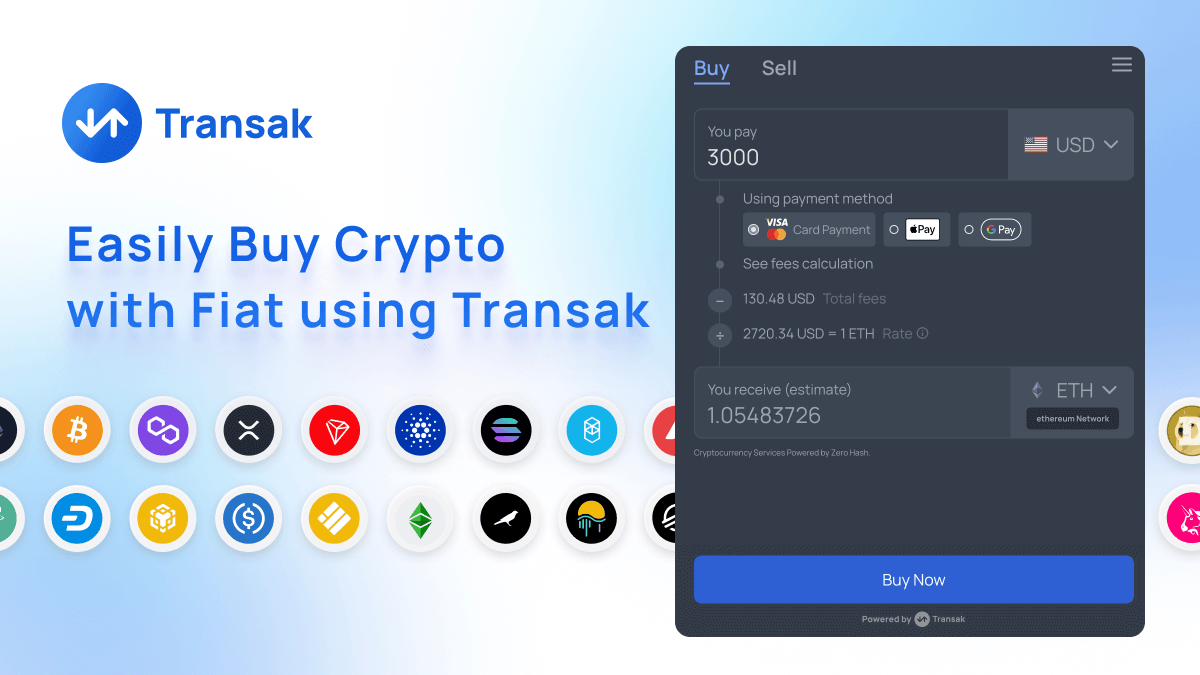
Selecting where to buy crypto is the first real hurdle. You are essentially choosing a broker, a vault, and a marketplace all at once. The platform you pick dictates your costs, speed, and control. For most beginners, the choice comes down to two distinct models: Centralized Exchanges (CEX) and Decentralized Exchanges (DEX).
Centralized exchanges like Coinbase, Binance, and Kraken act as intermediaries. They hold your funds and match buyers with sellers on their internal order books. This structure offers familiar user experiences: you can link a bank account, use a debit card, and get customer support. It is the closest equivalent to using a traditional stock brokerage. However, you are trusting a company with your private keys, meaning you do not have direct custody of your coins until you withdraw them to a personal wallet.
Decentralized exchanges, such as Uniswap or PancakeSwap, operate as automated protocols on blockchains. They allow you to trade directly from your own wallet without handing over control to a central entity. There is no customer support and no company to go bankrupt; the code is the law. This offers superior privacy and security for those who understand how to manage their own keys, but it introduces steep learning curves and higher risks of irreversible user error.
When evaluating a CEX, three factors matter most: liquidity, fees, and regulatory standing. Liquidity ensures you can buy or sell large amounts without drastically moving the price. Fees determine how much of your capital is consumed by trading costs. Regulatory compliance indicates whether the platform operates within legal frameworks, which often provides better consumer protection but requires stricter identity verification (KYC).
| Exchange | Model | Trading Fees | Custody |
|---|---|---|---|
| Coinbase | Centralized (CEX) | 0.4% - 1.99% | Platform holds keys |
| Binance | Centralized (CEX) | 0.1% (maker) | Platform holds keys |
| Kraken | Centralized (CEX) | 0.16% - 0.26% | Platform holds keys |
| Uniswap | Decentralized (DEX) | 0.05% - 1% | User holds keys |
Secure storage and asset custody
Holding cryptocurrency is like owning a digital safe deposit box, but unlike a bank, there is no customer service line to call if you lose the key. For long-term holders, self-custody is not just a preference; it is a fundamental requirement for security. When you leave your assets on a centralized exchange, you do not truly own them—you own an IOU from that company. If the exchange faces insolvency or a security breach, your funds can be frozen or lost.
Choose a hardware wallet
A hardware wallet is a physical device that stores your private keys offline, keeping them safe from internet-based hackers. It acts as a secure signing device: transactions are created online but must be physically approved on the device’s screen. This air-gapped approach is the industry standard for storing significant value.


As an Amazon Associate, we may earn from qualifying purchases.
Generate and store your seed phrase
Every hardware wallet generates a 12 or 24-word seed phrase (recovery phrase) during setup. This phrase is the master key to your funds. If your device is lost, damaged, or stolen, this phrase is the only way to recover your assets. Never store this phrase digitally. Do not take a photo of it, do not save it in a cloud note, and do not email it to yourself.
Write the words down on paper or engrave them on metal plates. Store the physical backup in a fireproof safe. Treat this piece of paper with the same seriousness as a deed to your house. If you lose this phrase, your funds are gone forever.
Verify your setup
Before transferring any significant funds, perform a verification test. Send a small amount of cryptocurrency to your new hardware wallet address. Then, attempt to send it back or to a different wallet. This confirms that your device is correctly signed, your seed phrase is valid, and your recovery process works as expected. Once verified, move your remaining assets.
Buy your hardware wallet directly from the manufacturer’s official website. Avoid third-party marketplaces like Amazon or eBay for the initial purchase to prevent supply chain tampering, where attackers might intercept the package and install malicious firmware.
Power on the device and follow the on-screen instructions to generate a new wallet. Write down the seed phrase in the exact order presented. Double-check every word against the device’s verification prompt to ensure accuracy.
Store your seed phrase in a secure, physical location. Consider using metal seed plates to protect against fire and water damage. Never digitize the phrase. Keep the hardware wallet in a safe place, separate from your seed phrase backup if possible, to mitigate theft risk.
Send a small test transaction to verify the address and recovery process. Ensure you can successfully sign and broadcast a transaction. Once confirmed, you can confidently transfer larger amounts to your new self-custody wallet.
Manage access securely
Self-custody means you are your own bank. This requires discipline. Keep your recovery phrase hidden and your hardware wallet protected. If you suspect your device has been compromised, or if you suspect your seed phrase has been exposed, immediately move your funds to a new wallet generated on a fresh, secure device.
By taking these steps, you ensure that your crypto assets remain yours, regardless of what happens to exchanges or financial institutions. Your security is only as strong as your weakest link—usually, that link is your own attention to detail during setup.
Disclosure: This article contains affiliate links. If you purchase through these links, we may earn a commission at no extra cost to you.
Building a resilient buy strategy
Buying cryptocurrency involves navigating extreme volatility. Without a structured approach, emotional reactions to price swings often lead to buying at peaks or selling in panic. A resilient strategy relies on mechanical discipline rather than market timing. By using dollar-cost averaging and strict position sizing, you can mitigate risk while maintaining exposure to potential upside.
Dollar-cost averaging (DCA)
Dollar-cost averaging (DCA) removes the pressure of picking the perfect entry point. Instead of investing a lump sum all at once, you divide your capital into equal amounts and invest at regular intervals—whether daily, weekly, or monthly. This method smooths out your average entry price over time.
When prices drop, your fixed investment buys more coins. When prices rise, your fixed investment buys fewer. Over a full market cycle, this typically results in a lower average cost per coin than trying to time the bottom. It works best for long-term holders who can ignore short-term noise.
Position sizing and risk management
Position sizing determines how much of your total portfolio any single asset should occupy. For a high-stakes asset class like crypto, experts generally recommend limiting any single position to a small percentage of your total net worth. This ensures that a 50% or 80% drawdown in one coin does not devastate your overall financial health.
Start with established assets like Bitcoin or Ethereum. These have the longest track records and highest liquidity, reducing the risk of total loss from project failure. Only allocate smaller portions to newer, higher-risk projects after you have established a core position.
Rebalancing your portfolio
Rebalancing locks in profits and maintains your risk profile. If your crypto allocation grows to 20% of your portfolio due to a bull run, sell the excess to return to your target, such as 10%. This forces you to sell high and buy low systematically.
Without rebalancing, crypto can quickly dominate a portfolio, exposing you to disproportionate risk. Set a schedule—quarterly or when an asset deviates by 5% from its target weight—to review and adjust. This mechanical process prevents emotional attachment to specific coins during market euphoria or despair.
Essential tools for tracking and analysis
Price charts show you where an asset has been, but on-chain analytics and data aggregators reveal where it is going. Relying solely on surface-level price movements is like driving with only a rearview mirror. To make informed decisions in the current market, you need to look under the hood at the actual network activity.
Data aggregators like CoinGecko or CoinMarketCap provide a consolidated view of market capitalization, trading volume, and liquidity across hundreds of exchanges. These platforms help you verify if an asset is genuinely active or if its price is being manipulated by low-volume trading. For deeper insights, on-chain analytics tools such as Glassnode or Dune Analytics allow you to track wallet movements, exchange inflows, and miner behavior. This data often signals market shifts before they appear in traditional price charts.
Combining these tools creates a robust framework for due diligence. Instead of guessing, you can monitor whether large holders (whales) are accumulating or distributing assets. This shift from reactive chart reading to proactive data analysis is essential for navigating the volatility of crypto markets in 2026.
Common beginner mistakes to avoid
Buying crypto feels simple, but the margin for error is wide. Most beginners lose money not because they picked the wrong coin, but because they skipped the basics. Treat your first transactions like a high-stakes exam: one small mistake can cost you everything.
Poor security hygiene
Leaving funds on an exchange is like keeping cash under your mattress. If the platform fails, you lose access. Always withdraw your holdings to a self-custody wallet where you control the private keys. Use a hardware wallet for significant amounts and enable two-factor authentication (2FA) on all accounts.
Emotional trading
FOMO (Fear Of Missing Out) drives buyers to chase pumps, while panic selling locks in losses. The market is volatile; prices swing wildly in minutes. Stick to your pre-defined plan. If you’re investing for the long term, ignore the daily noise. Set up automatic buys (DCA) to remove emotion from the equation.
Ignoring fees
Trading fees and network gas costs eat into your profits. A 1% fee on every trade adds up quickly. Always check the fee structure of your exchange and the network you’re using. For large transfers, consider layer-2 solutions or off-peak times to minimize costs.
Frequently asked questions about buying crypto
What crypto should beginners buy?
Bitcoin is often the simplest starting point because it has a clear narrative, limited supply, high liquidity, and the longest track record. If you want exposure to DeFi, NFTs, and smart contracts, Ethereum is a logical second choice. Both assets operate without a central authority, reducing single-point failure risks.
Is buying crypto safe?
The technology itself is secure, but the platforms you use can be vulnerable. Always store significant holdings in a hardware wallet rather than leaving them on an exchange. Verify every transaction address and enable two-factor authentication to protect your account from unauthorized access.
How much should I invest?
Treat crypto as a high-risk portion of your portfolio. A common strategy is to allocate only a small percentage—often 1-5%—of your total investable assets. Never invest money you need for essentials, as market volatility can cause rapid and significant price swings.
No comments yet. Be the first to share your thoughts!