Pick a regulated exchange
Choosing a platform is the first and most critical step in buying crypto. A regulated exchange acts as a bridge between your traditional bank account and the digital asset market, ensuring that your funds are handled with legal oversight and security standards. Using an unregulated or offshore platform exposes you to higher risks of fraud, frozen assets, and zero recourse if something goes wrong.
When evaluating options, prioritize platforms that are registered with financial authorities in your jurisdiction. In the United States, look for registration with the Financial Crimes Enforcement Network (FinCEN) and compliance with state money transmitter laws. Major players like Coinbase, Kraken, and Binance.US have established compliance frameworks that provide a layer of protection for first-time buyers. These exchanges undergo regular audits and adhere to Know Your Customer (KYC) and Anti-Money Laundering (AML) protocols, which, while requiring personal verification, significantly reduce the likelihood of your account being compromised or shut down arbitrarily.
Beyond regulation, compare the practical aspects of each platform. Fees can vary drastically between exchanges, affecting your initial purchase cost. Security features, such as two-factor authentication (2FA) and cold storage for the majority of user funds, are non-negotiable. The table below compares three widely used, regulated exchanges to help you decide which fits your needs.
| Exchange | Regulatory Status | Trading Fees | Key Security Feature |
|---|---|---|---|
| Coinbase | US SEC Registered, NYDFS BitLicense | 0.40% - 1.49% (Simple) / 0.4% (Pro) | FDIC Insurance (USD), Cold Storage |
| Kraken | FinCEN Registered, SOC 2 Type II | 0.16% - 0.26% (Maker/Taker) | Cold Storage, 2FA, Withdrawal Whitelists |
| Binance.US | FinCEN Registered, State MSBs | 0.10% - 0.25% (Maker/Taker) | Proof of Reserves, Cold Storage, 2FA |
Verify identity and fund account
Before you can buy crypto, exchanges must confirm who you are and where your money comes from. This process, known as KYC (Know Your Customer) and AML (Anti-Money Laundering), is a legal requirement for regulated platforms. Think of it like opening a traditional bank account: the institution needs to verify your identity to prevent fraud and illegal activity. Without completing this step, your account will remain restricted.
Submit your identification documents
Start by navigating to the verification section in your exchange profile. You will need to upload clear photos or scans of a government-issued ID, such as a passport or driver’s license. Some platforms also require a selfie to match your face against the ID photo. Ensure your documents are not expired and that all text is legible. Coinbase, for example, guides users through this process on their help page, explaining that clear images speed up approval times.
Link a funding source
Once your identity is verified, you must connect a bank account or debit card to deposit fiat currency. Bank transfers (ACH or SEPA) are often the most cost-effective method but may take 3-5 business days to clear. Debit cards offer instant funding but typically come with higher transaction fees. Choose the method that best balances speed and cost for your first purchase.
Make your first deposit
After linking your account, initiate a deposit. Start with a small amount to test the process and ensure the funds arrive correctly. This minimizes risk if you encounter any unexpected delays or errors. Once the funds are available in your exchange wallet, you are ready to execute your first trade.
Go to your account settings and select "Verify Identity." Upload a clear photo of your government ID and take the required selfie. Wait for the automated or manual review to complete, which usually takes minutes to a few hours.
Navigate to the "Payment Methods" section. Add your bank account details or debit card. For bank accounts, you may need to confirm small test deposits made by the exchange. Ensure the name on the bank account matches your verified identity.
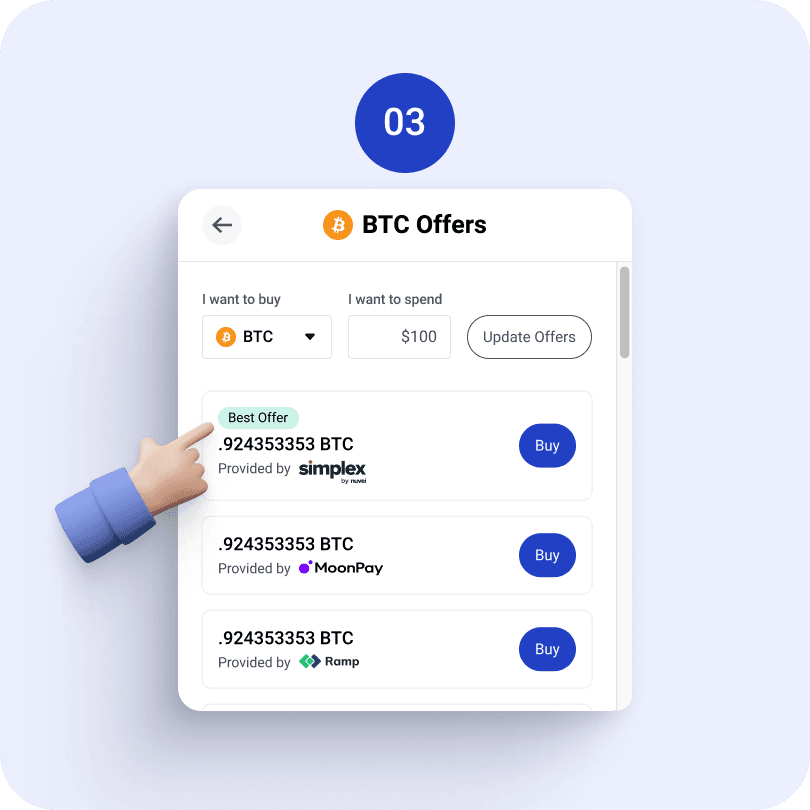
Select "Deposit" and choose your linked funding source. Enter the amount you wish to transfer. If using a bank transfer, wait for the funds to clear before attempting to buy. If using a card, the funds should be available instantly.
With funds in your account, go to the "Buy" section. Select the cryptocurrency you want, enter the amount, and review the fees. Confirm the transaction to complete your first purchase.
Execute your first trade
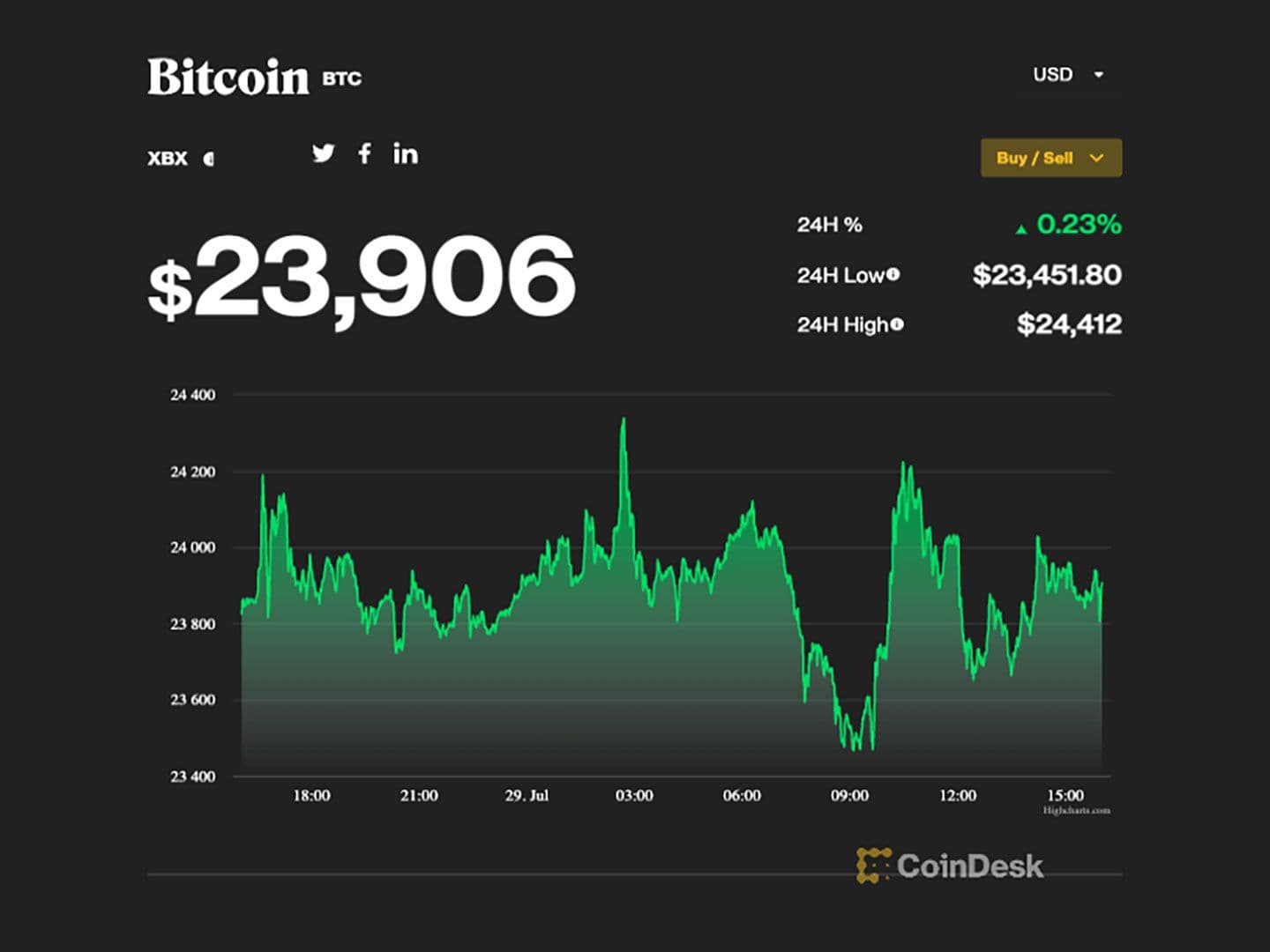
The moment you click "buy" is where most beginners lose money to slippage. Slippage is the difference between the price you see and the price you actually pay. In volatile crypto markets, this gap can be significant. You control this gap by choosing between market orders and limit orders.
A limit order lets you set the exact maximum price you are willing to pay. If the market price drops to your limit, the trade executes. If it stays higher, the order waits. This prevents you from overpaying during sudden spikes. Think of it as making a firm offer rather than accepting whatever the seller asks at that second.
A market order buys immediately at the current best available price. It is useful when you need to enter a position instantly, such as during a confirmed breakout. However, in thin markets, a large market order can push the price up before it fully fills. Always check the order book depth before using this method for significant amounts.
Before finalizing any trade, review the estimated fill price and fees. Exchanges often display a "slippage tolerance" warning if the price is moving fast. Ensure the estimated cost aligns with your budget. This is your last chance to cancel a trade that has become too expensive due to volatility.
Starting small is the safest way to learn these mechanics. Charles Schwab advises beginners to focus on understanding the basics rather than chasing hype. By using limit orders, you keep your entry price predictable and your risk manageable.
Move assets to cold storage
Leaving your crypto on an exchange is like keeping your life savings in a mattress at a bank that might close its doors. While exchanges are convenient for trading, they hold the private keys to your assets. If the platform is hacked, goes bankrupt, or freezes withdrawals, you lose access to your funds. Moving to a hardware wallet puts you in full control, eliminating counterparty risk.
Choose a hardware wallet
Hardware wallets are specialized devices that store your private keys offline. This "cold storage" method ensures your keys never touch an internet-connected computer, making them immune to remote hacking attempts. Look for wallets from established manufacturers that have a history of security audits and open-source firmware.



As an Amazon Associate, we may earn from qualifying purchases.
Transfer your crypto
Once you have your device, initialize it by generating a new seed phrase. Write this 12 or 24-word phrase on the provided recovery card and store it in a safe, fireproof location. Never digitize this phrase or store it in cloud notes. To move your funds, generate a receiving address on your hardware wallet and send a small test transaction from your exchange to that address. Verify the address matches on both screens before confirming the full transfer.
Avoid common buying mistakes
Buying your first crypto is straightforward, but small errors can lead to significant losses. Most beginners lose money not because the market crashes, but because they leave funds on exchanges, ignore hidden fees, or chase hype without a plan.
Leaving funds on exchanges
Centralized exchanges are convenient for trading, but they are not safe long-term storage. If the exchange fails or gets hacked, your funds may be gone. Think of an exchange like a crowded mall: easy to access, but risky to leave your wallet in. Move your crypto to a private wallet where you control the keys.
Ignoring fees
Trading fees add up quickly. Some platforms charge high spreads or withdrawal fees that eat into your profits. Always check the fee schedule before buying. A 1% fee on a $1,000 purchase is $10, but on $10,000, it’s $100. Small costs compound over time.
Chasing hype
Social media trends can create FOMO (fear of missing out). Buying a coin because it’s trending is rarely a good strategy. Do your own research. Understand what you’re buying and why. If you can’t explain the value, you shouldn’t own it.
Not securing your account
Weak passwords and missing two-factor authentication (2FA) make your account an easy target. Enable 2FA immediately after signing up. Use a strong, unique password for your exchange account. This simple step blocks most unauthorized access attempts.
Secure your investment checklist
Before closing the browser, verify these three steps to ensure your account and assets are protected. This final security check prevents common access issues and keeps your holdings safe from unauthorized withdrawals.
- Enable Two-Factor Authentication (2FA): Use an authenticator app like Google Authenticator or Authy. Avoid SMS-based 2FA, which is vulnerable to SIM-swapping attacks.
- Test a small withdrawal: Send a minimal amount of crypto to your private wallet. Confirm it arrives successfully before storing larger sums on the exchange.
- Store your seed phrase offline: Write your 12-24 word recovery phrase on paper or metal. Never store it digitally, in the cloud, or as a screenshot.
-
Enable 2FA via app
-
Test small withdrawal
-
Store seed phrase offline
Following this sequence ensures your buy crypto experience ends with the same caution it started with.
Frequently asked questions about buying crypto
Navigating your first purchase involves understanding the practical details of security, cost, and regulation. These common questions address the immediate concerns that often cause hesitation for new investors.
No comments yet. Be the first to share your thoughts!