Choose the right exchange platform
Selecting a cryptocurrency exchange is the first practical step in buying crypto. The platform you choose acts as your gateway to the market, determining not only which assets you can access but also how much you pay in fees and how secure your funds remain. With options ranging from regulated brokerages to specialized crypto-native exchanges, the decision requires a clear view of your specific needs.
When evaluating platforms, prioritize those with a track record of regulatory compliance. Using unregulated or offshore exchanges may offer lower fees, but they often lack the insurance protections and legal recourse available with compliant entities. Look for exchanges that publish proof of reserves and have undergone independent security audits. Major platforms like Coinbase, Binance, and Kraken are frequently cited as primary entry points, but their suitability depends on your location and asset preferences.
To compare your options effectively, look beyond just the trading interface. Consider the fee structure, including deposit and withdrawal costs, as well as the variety of supported cryptocurrencies. The following comparison highlights key differences between three widely used exchanges to help you decide which infrastructure best supports your buying strategy.
Your choice should align with your comfort level with complexity and your geographic location. If you are a beginner in the US, a regulated platform like Coinbase or Kraken may offer the necessary peace of mind. For traders seeking the lowest fees and widest asset selection, Binance is a common choice, though it requires navigating regional restrictions. Always verify that the exchange is legal and compliant in your jurisdiction before depositing funds.
Fund your account and place your first order
Before you can buy crypto, you need to link a reliable funding source. Most exchanges support bank transfers (ACH or SEPA), debit cards, or wire transfers. Bank transfers usually have lower fees but take a few days to clear. Debit cards are instant but often carry higher percentage fees. Choose the method that balances speed with cost for your specific needs.
Step 1: Verify your identity (KYC)
Regulated exchanges require Know Your Customer (KYC) verification before allowing deposits or trades. This process typically involves uploading a government-issued ID and sometimes a selfie for facial recognition. Verification can take minutes to several days depending on the platform’s backlog. Complete this step early to avoid delays when you’re ready to move money.
Navigate to the funding or wallet section of your exchange. Select your preferred deposit method. For bank transfers, you may need to confirm small test deposits made by the exchange. For debit cards, enter your card details and billing address. Ensure the name on the bank account matches your verified identity to prevent rejection.
Search for the cryptocurrency you want to buy. Select the order type: "Market" buys immediately at the current price, while "Limit" lets you set a specific price target. For beginners, a market order is simplest. For larger amounts, a limit order can help avoid slippage during volatile periods. Enter the amount in your local currency or the crypto unit.
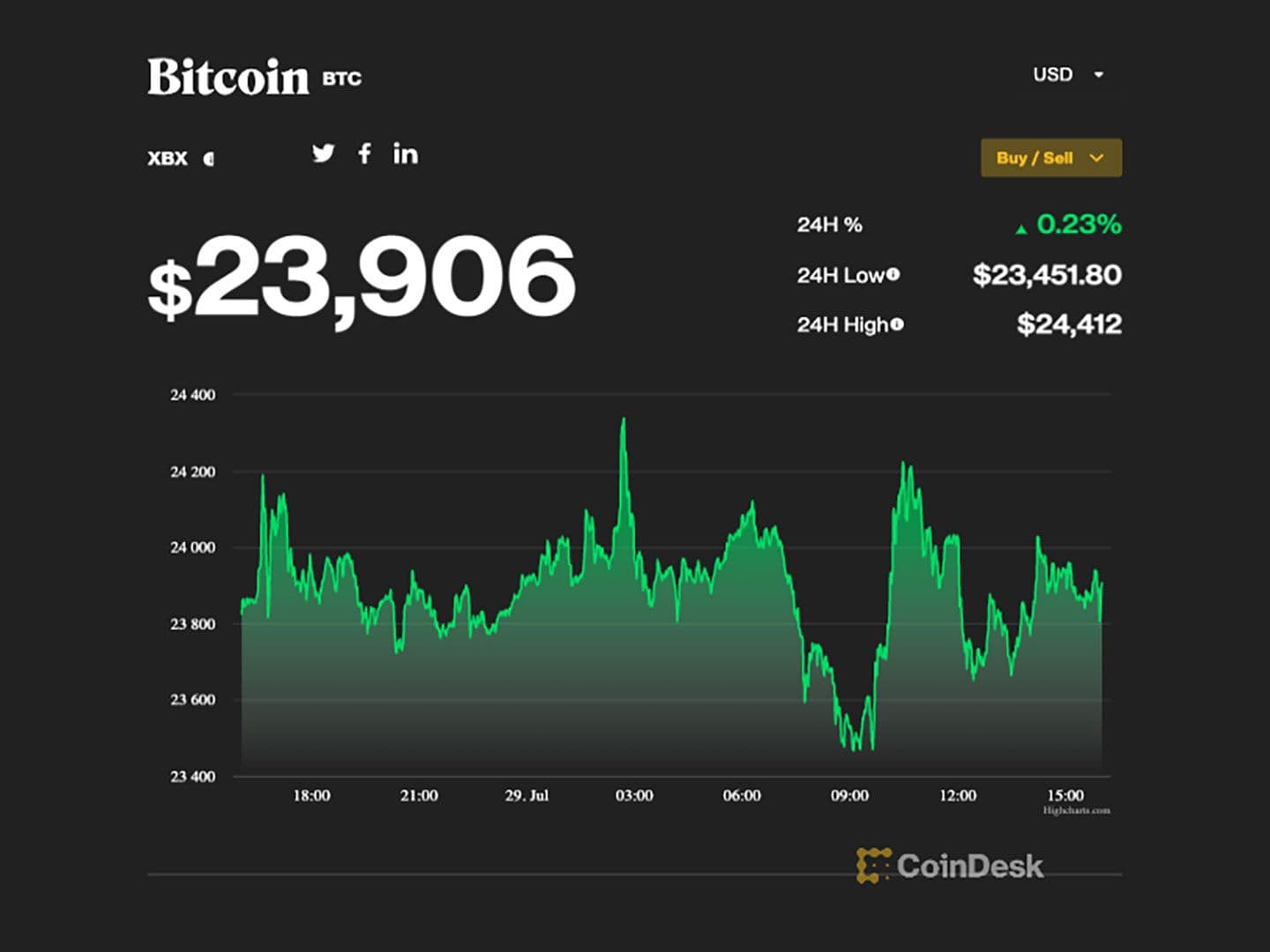
The exchange will display a summary showing the total cost, including any fees and the estimated amount of crypto you will receive. Double-check the asset symbol (e.g., BTC vs. BCH) and the total deduction from your bank. If everything looks correct, click "Buy" or "Place Order." You may need to complete a final security check via email or SMS.
Step 2: Secure your assets
Once the purchase is complete, the crypto sits in your exchange wallet. For small amounts used for trading, this is often acceptable. For long-term holdings, consider transferring your assets to a self-custody wallet. This gives you full control over your private keys, removing the risk of exchange insolvency. Always verify the receiving address carefully before sending.
Secure your crypto assets
Keeping your funds on an exchange is like leaving your savings in a casino vault. If the platform is hacked, goes bankrupt, or freezes your account, you lose access to your money instantly. To truly own your cryptocurrency, you must move it to a self-custody wallet where you hold the private keys.
The first decision is choosing between hot and cold storage. A hot wallet is connected to the internet, making it convenient for daily trading and small transactions, but it remains vulnerable to online attacks. A cold wallet, or hardware wallet, keeps your keys offline, providing a physical barrier against hackers. For any significant investment, cold storage is the only reliable defense.
Setting up a hardware wallet is a straightforward process that takes about ten minutes. You will purchase the device, generate a new seed phrase on the device itself, and write it down on the provided recovery sheet. Never store this seed phrase digitally or share it with anyone. Once initialized, you can transfer your crypto from the exchange to your wallet address. This process gives you full control over your assets and eliminates counterparty risk.


As an Amazon Associate, we may earn from qualifying purchases.
Manage risk and volatility
Cryptocurrency markets swing hard. Prices can drop 20% in a day without major news. To survive these swings, you need a plan that removes emotion from your decisions. Two tools help: dollar-cost averaging (DCA) and position sizing.
Dollar-cost averaging (DCA)
Instead of buying all at once, split your investment into smaller, regular purchases. This smooths out your entry price. If the market dips, you buy more for the same money. If it rises, your earlier buys gain value. It’s a way to avoid buying the top.
Position sizing
Never put all your money into one asset. Decide how much of your total portfolio you’re willing to lose. For crypto, many experts suggest keeping it under 5-10% of your total net worth. This protects your long-term financial health if the market crashes. Treat crypto as high-risk speculation, not a safe savings account.
Set stop-losses
A stop-loss order automatically sells your asset if it drops below a set price. This limits your losses. For example, if you buy at $50,000, set a stop-loss at $45,000. You sell automatically if it hits that level, preventing further decline. It’s an insurance policy against sudden crashes.
Rebalance regularly
Check your portfolio every quarter. If crypto has grown to 15% of your portfolio, sell some to buy safer assets like stocks or bonds. This locks in gains and brings your risk back in line with your plan. Rebalancing forces you to sell high and buy low, a core principle of long-term investing.
Final Security and Setup Checklist
Before you commit funds, treat your crypto account like a safe deposit box. You need the right locks, the correct keys, and a backup plan for when things go wrong. This checklist ensures your infrastructure is secure before you make your first trade.
Verify Identity and Security
Start by completing KYC (Know Your Customer) verification on your chosen exchange. Platforms like Coinbase, Binance, and Kraken require government ID to comply with regulations. This step prevents fraud but also signals that your account is legitimate in the eyes of the law.
Enable Two-Factor Authentication (2FA) immediately. Do not rely on SMS-based codes, which can be intercepted. Instead, use an authenticator app like Google Authenticator or a hardware key like YubiKey. This adds a physical or digital layer that hackers cannot bypass with just your password.
Set Up Secure Storage
Exchange wallets are convenient but not secure for long-term holding. If the exchange fails or is hacked, your funds may be gone. Move significant amounts to a self-custody wallet where you control the private keys. For most beginners, a reputable software wallet on a dedicated device is a good starting point.
Create a Recovery Backup
Your wallet’s seed phrase (12 or 24 words) is the only way to recover your funds if you lose access. Write this down on paper and store it in a fireproof safe or safety deposit box. Never store it digitally—no screenshots, no cloud drives, no emails. Anyone who sees this phrase can steal your assets.
Pre-Investment Security Checklist
-
Complete KYC verification with official government ID
-
Enable 2FA using an authenticator app or hardware key
-
Verify exchange security features (withdrawal whitelists, anti-phishing codes)
-
Download a reputable self-custody wallet app
-
Write down seed phrase on paper and store securely offline
-
Test a small transaction to confirm wallet functionality
-
Review exchange fee structures and withdrawal limits
Common crypto buying: what to check next
Buying cryptocurrency involves real financial risk and regulatory complexity. Before you transfer funds, clarify how these assets are taxed, secured, and regulated in your jurisdiction. The following answers address the most frequent concerns for new buyers.
No comments yet. Be the first to share your thoughts!