Ways to buy digital assets
Before you pick an exchange or wallet, you need to decide how you want to hold the asset. There are three primary pathways to enter the market, each with different levels of control, fees, and regulatory oversight. Choosing the right infrastructure depends on whether you want direct ownership of the private keys or prefer a traditional brokerage experience.
Buying crypto outright
This is the most direct method. You create an account on a centralized exchange (CEX) like Coinbase or Kraken, deposit fiat currency, and purchase Bitcoin, Ethereum, or other tokens. When you buy this way, you typically have the option to withdraw your assets to a private wallet, giving you full custody. This path offers the highest potential for utility but requires you to manage security keys and understand transaction fees (gas).
Buying crypto ETFs and ETPs
For investors who want exposure to crypto prices without holding the underlying asset, Exchange-Traded Funds (ETFs) and Exchange-Traded Products (ETPs) are a common alternative. These funds trade on traditional stock exchanges and track the price of specific cryptocurrencies or a basket of digital assets. You buy shares through your existing brokerage account, making it simple and integrated with your current financial tools. However, you do not own the coins directly, meaning you cannot use them for decentralized finance (DeFi) or peer-to-peer transfers.
Buying cryptocurrency stocks
A third option is investing in publicly traded companies that are heavily involved in the crypto ecosystem, such as mining firms or payment processors. This approach allows you to diversify your exposure through the stock market. While it avoids the volatility of direct token ownership, the performance of these stocks is influenced by broader market factors and company-specific risks, not just the price of the underlying cryptocurrency.
Comparing top crypto exchanges
Buy Crypto works best when the purchase path is explicit. Verify the source, compare the offer against real alternatives, check the total cost, and confirm what happens after payment before you decide. After each comparison, write down the one risk that would change your mind. If the seller, condition, support, warranty, shipping, or upkeep still feels uncertain, resolve that question before moving to checkout.
| Factor | What to check | Why it matters |
|---|---|---|
| Fit | Match the option to the primary use case. | A good deal still fails if it does not fit the job. |
| Condition | Verify age, wear, and service history. | Hidden condition issues erase upfront savings. |
| Cost | Compare purchase price with likely upkeep. | The cheapest option is not always the lowest-cost option. |
Secure storage options explained
Buying cryptocurrency is only half the battle; keeping it safe is where the real work begins. Once you’ve purchased your assets, you have two primary paths for storage: hot wallets and cold wallets. Choosing between them depends on how often you plan to trade versus how long you intend to hold.
Hot wallets: built for speed
Hot wallets are software applications connected to the internet. They are the digital equivalent of keeping cash in your pocket—perfectly fine for daily transactions, but risky if you leave a large sum unattended. These wallets integrate directly with exchanges or run as browser extensions and mobile apps, offering instant access to your funds for trading or paying for goods.
While convenient, this constant connectivity makes hot wallets vulnerable to hacking, phishing scams, and malware. If you store significant value in a hot wallet, you are trusting the security of your device and the internet infrastructure. Most users keep only small amounts in hot wallets for immediate spending, treating them like a daily spending account rather than a savings vault.
Cold wallets: built for security
Cold wallets, or hardware wallets, are physical devices that store your private keys offline. They are the financial equivalent of a safe deposit box. Because they never connect to the internet, they are immune to remote hacking attempts. To send crypto, you must physically connect the device to a computer or tap it against a phone, requiring a manual confirmation on the device’s screen.
This extra step adds friction, which is exactly why it’s secure. Even if your computer is infected with malware, the attacker cannot move your funds without physically possessing your device and knowing your PIN. For long-term holders who do not need to trade daily, a cold wallet is the industry standard for protecting wealth from digital theft.
Comparing your options
| Feature | Hot Wallet | Cold Wallet |
|---|---|---|
| Connectivity | Always online (internet-connected) | Offline (air-gapped) |
| Security | Vulnerable to remote hacks | Highly resistant to remote theft |
| Convenience | Instant access, easy for trading | Requires physical device for transactions |
| Best For | Small amounts, frequent trading | Large holdings, long-term storage |
Choosing the right hardware wallet
If you decide that cold storage is the right path for your holdings, you need a reputable hardware device. The market is dominated by a few established brands that prioritize security audits and user experience. When selecting a device, look for open-source firmware and a track record of independent security testing.


As an Amazon Associate, we may earn from qualifying purchases.
Regardless of the wallet you choose, security relies on one unbreakable rule: protect your recovery phrase. This 12- or 24-word seed phrase is the master key to your funds. If you lose your device, this phrase is the only way to recover your crypto. Never store it digitally, take a photo of it, or share it with anyone. Write it on paper, store it in a fireproof safe, and keep it offline forever.
Market trends and technical outlook
Before you commit capital, it helps to see where the market stands right now. Cryptocurrency is inherently volatile, and prices can swing sharply in short periods. Understanding the current technical landscape prevents you from buying at a local peak or selling during a temporary dip. This section focuses on the infrastructure of trading—how to read price action and manage risk—rather than predicting the next big move.
Reading the chart
Charts provide a visual history of supply and demand. For most beginners, a simple daily candlestick chart is the best starting point. Each candle shows the opening price, closing price, high, and low for that day. Green candles typically indicate the price closed higher than it opened, while red candles show the opposite. Looking at these patterns helps you identify trends, such as whether an asset is generally moving upward (bullish) or downward (bearish) over time.
Technical indicators add another layer of context. The most common is the Moving Average (MA), which smooths out price data to show the general direction. If the price is above the 200-day moving average, the long-term trend is considered up. Below it, the trend is down. These tools don’t predict the future, but they help you align your buying strategy with the broader market momentum rather than fighting against it.
Managing volatility
Volatility is not just a risk; it’s a feature of the crypto market. Prices can drop 10-20% in a single day without any major news. This is why dollar-cost averaging (DCA) is often recommended for new investors. Instead of buying a large amount all at once, you invest a fixed amount at regular intervals, such as $50 every week. This strategy reduces the impact of volatility and removes the emotional stress of trying to time the market perfectly.
Current market snapshot
The following chart shows the recent price action for Bitcoin (BTC/USD). This provider-backed chart allows you to zoom in on specific timeframes and apply technical indicators yourself. Use it to observe how the asset behaves during different market conditions.
Key takeaways for timing
- Focus on trends, not ticks: Use daily or weekly charts to identify the overall direction. Ignore minute-by-minute fluctuations.
- Use moving averages: The 200-day MA is a standard benchmark for long-term trend identification.
- Avoid emotional buying: Stick to a plan like DCA to prevent buying high out of fear of missing out (FOMO).
- Check volume: High trading volume confirms the strength of a price move. Low volume can signal a weak trend.
By keeping these technical principles in mind, you can approach buying crypto with a clearer head and a more structured strategy. Remember, no chart is perfect, and past performance does not guarantee future results. Always do your own research and only invest what you can afford to lose.
Checklist for your first purchase
Buying crypto for the first time feels like navigating a new city without a map. A structured approach removes the guesswork and keeps your assets secure from the start. Follow this workflow to execute your first buy safely.
Before you buy, choose where your crypto will live. For beginners, a reputable software wallet or a hardware device offers the best balance of security and ease. Never share your private keys or recovery phrase with anyone.
Most regulated exchanges require Know Your Customer (KYC) verification. Have your government ID and proof of address ready. This process can take minutes or days, so start early to avoid delays in your purchase.
Connect your bank account or debit card. Bank transfers (ACH) usually have lower fees but take longer to clear. Debit cards are faster but often come with higher processing charges. Check the exchange’s fee schedule for both options.
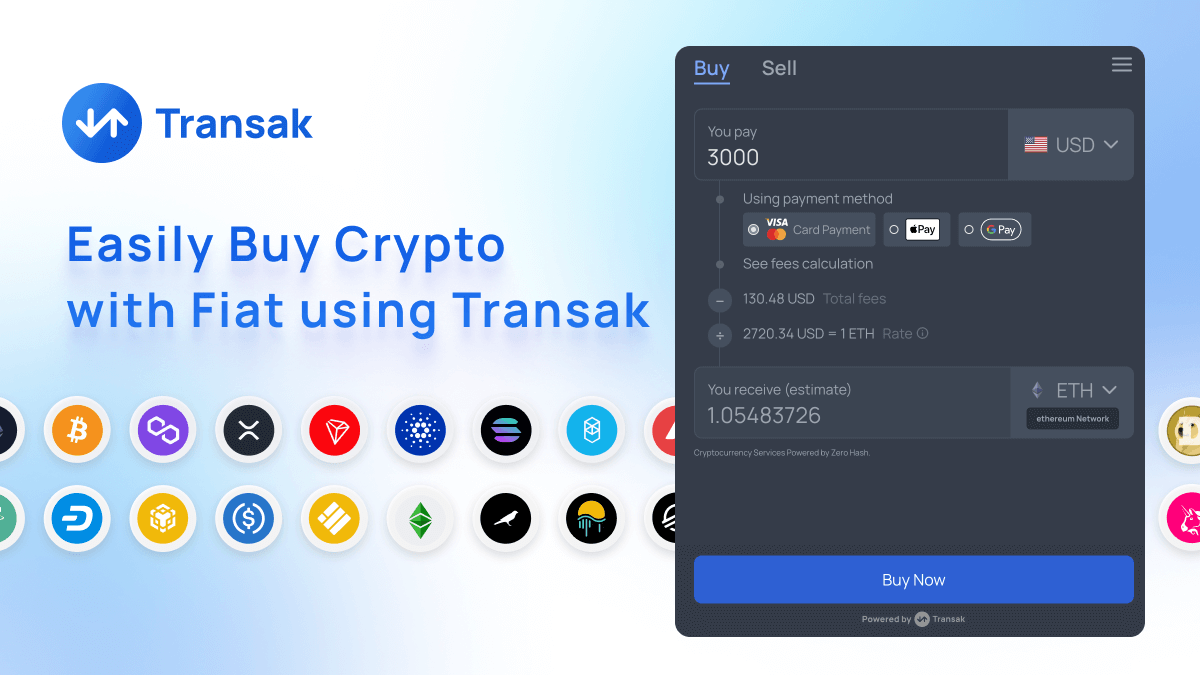
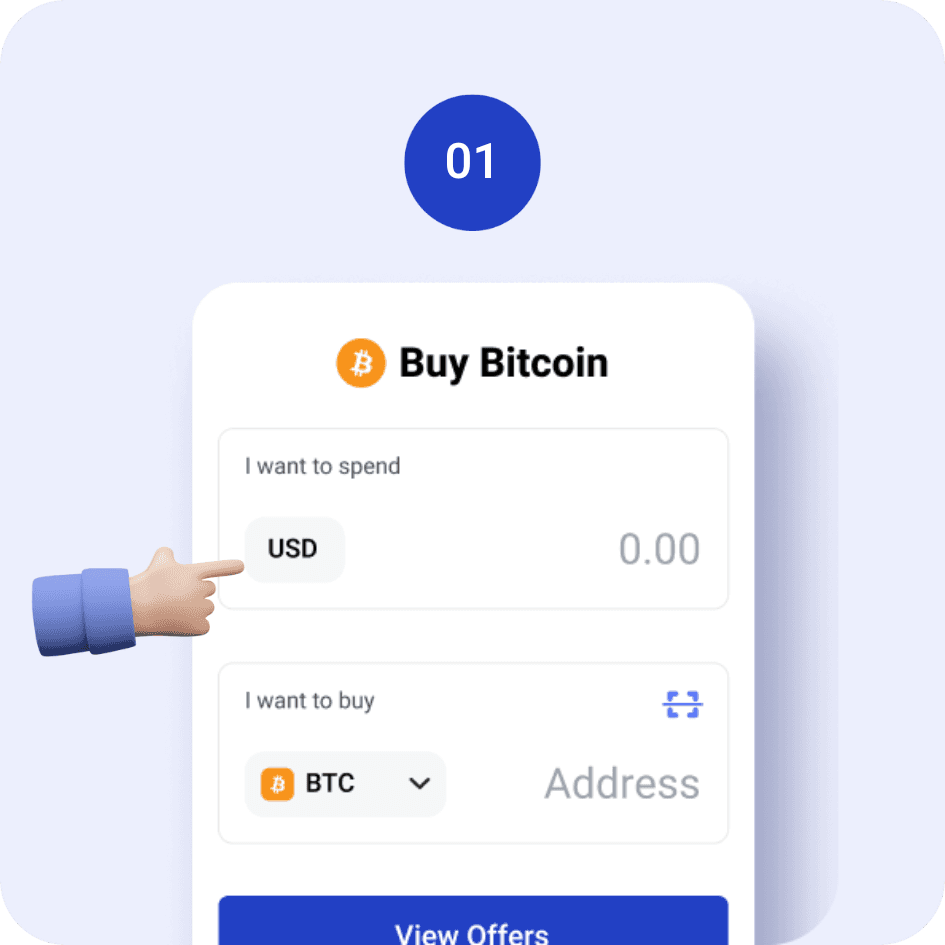
Enter the amount you wish to spend. Start small to familiarize yourself with the interface. Review the total cost, including fees, before confirming. Remember that crypto prices fluctuate rapidly, so the final amount received may differ slightly.
Once purchased, move your assets off the exchange to your personal wallet. Exchanges are vulnerable to hacks and insolvency. Self-custody ensures you hold the keys to your coins, giving you true ownership of your investment.
No comments yet. Be the first to share your thoughts!