Why the post-ETF era changes everything
The approval of spot Bitcoin ETFs fundamentally altered the architecture of cryptocurrency markets. Before these products existed, buying crypto required navigating a fragmented landscape of exchanges, managing private keys, and relying on custodians with varying levels of transparency. Today, the primary buy crypto strategy for most investors is simply opening a brokerage account and purchasing an ETF share. This shift has pulled institutional capital into the asset class, integrating it with traditional financial plumbing.
Institutional infrastructure has brought two critical changes: deeper liquidity and dampened volatility. With major asset managers like BlackRock and Fidelity facilitating flows, the market can absorb larger orders without the extreme price slippage seen in previous cycles. This structural maturity makes the environment more predictable, though not risk-free. The underlying asset remains highly volatile, but the price discovery mechanism now operates alongside traditional equity markets, reducing the likelihood of isolated exchange failures causing total market collapse.
However, this integration introduces new dynamics. ETF flows are now a key metric for gauging institutional sentiment, often outweighing retail trading volume in daily price action. Investors must monitor these inflows and outflows alongside traditional technical indicators. The market is no longer driven solely by retail speculation or regulatory headlines; it is increasingly influenced by pension funds, endowments, and corporate treasuries allocating capital through regulated vehicles.
This shift does not eliminate risk, but it changes the nature of the risk. The focus moves from counterparty safety on unregulated exchanges to managing exposure within a broader, more correlated financial ecosystem. Understanding this structural evolution is essential for any buy crypto strategy that aims to survive long-term market cycles rather than chase short-term speculation.
Pick a buy crypto strategy that fits your risk
Choosing a buy crypto strategy comes down to how much volatility you can stomach and how much time you want to spend watching charts. With the market now anchored by ETFs, the wild west days of 24/7 panic buying are fading, but the two main paths for retail investors remain distinct: Dollar-Cost Averaging (DCA) and Strategic Accumulation (buying dips).
DCA is the set-it-and-forget-it approach. You commit to buying a fixed dollar amount at regular intervals—weekly or monthly—regardless of the price. This smooths out your entry point over time, removing the emotional stress of trying to time the bottom. As Coinbase notes, DCA is a long-term strategy where you buy smaller amounts over a period of time, no matter the price [src-serp-7]. It’s ideal if you want to build wealth steadily without letting market swings dictate your mood.
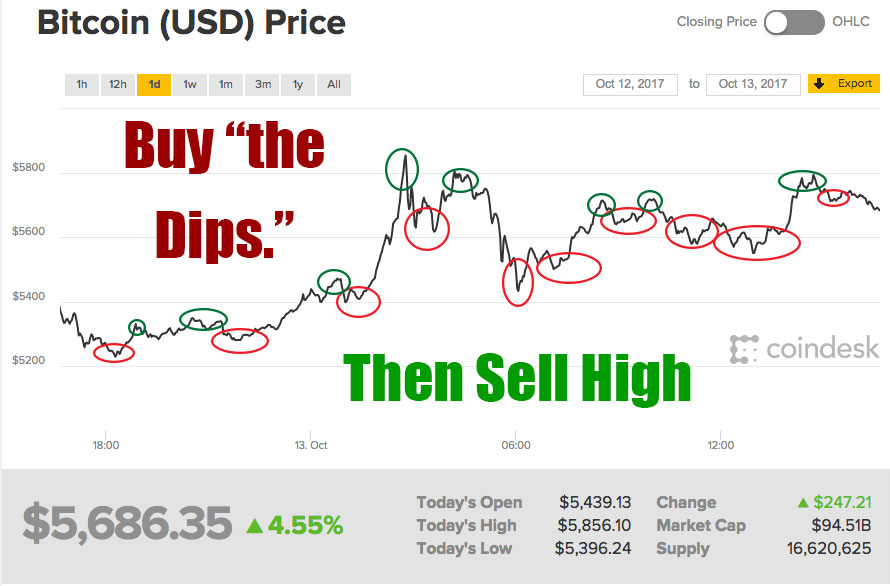
Strategic Accumulation, often called "buying the dip," is more active. You wait for significant price drops—often 10-20% from recent highs—to deploy larger chunks of capital. The goal is to accumulate more crypto at a lower average cost basis [src-serp-6]. This requires patience and the ability to handle drawdowns without panic. It’s higher risk but can offer better returns if you have the discipline to buy when others are selling.
The choice isn't just about returns; it's about lifestyle fit. Do you want automation or control? Here is how they compare across key decision factors.
| Factor | Dollar-Cost Averaging | Strategic Accumulation |
|---|---|---|
| Risk Level | Low (averages out volatility) | High (timing risk) |
| Time Commitment | Minimal (automated) | High (requires monitoring) |
| Best For | Long-term holders | Active traders |
| Psychological Stress | Low | High |
For many investors, a hybrid approach works best. You might DCA for 80% of your portfolio to ensure steady growth, while keeping 20% in cash reserves specifically for strategic dip buys [src-serp-2]. This balances the stability of automation with the potential upside of active management.
Choose the right buy crypto infrastructure
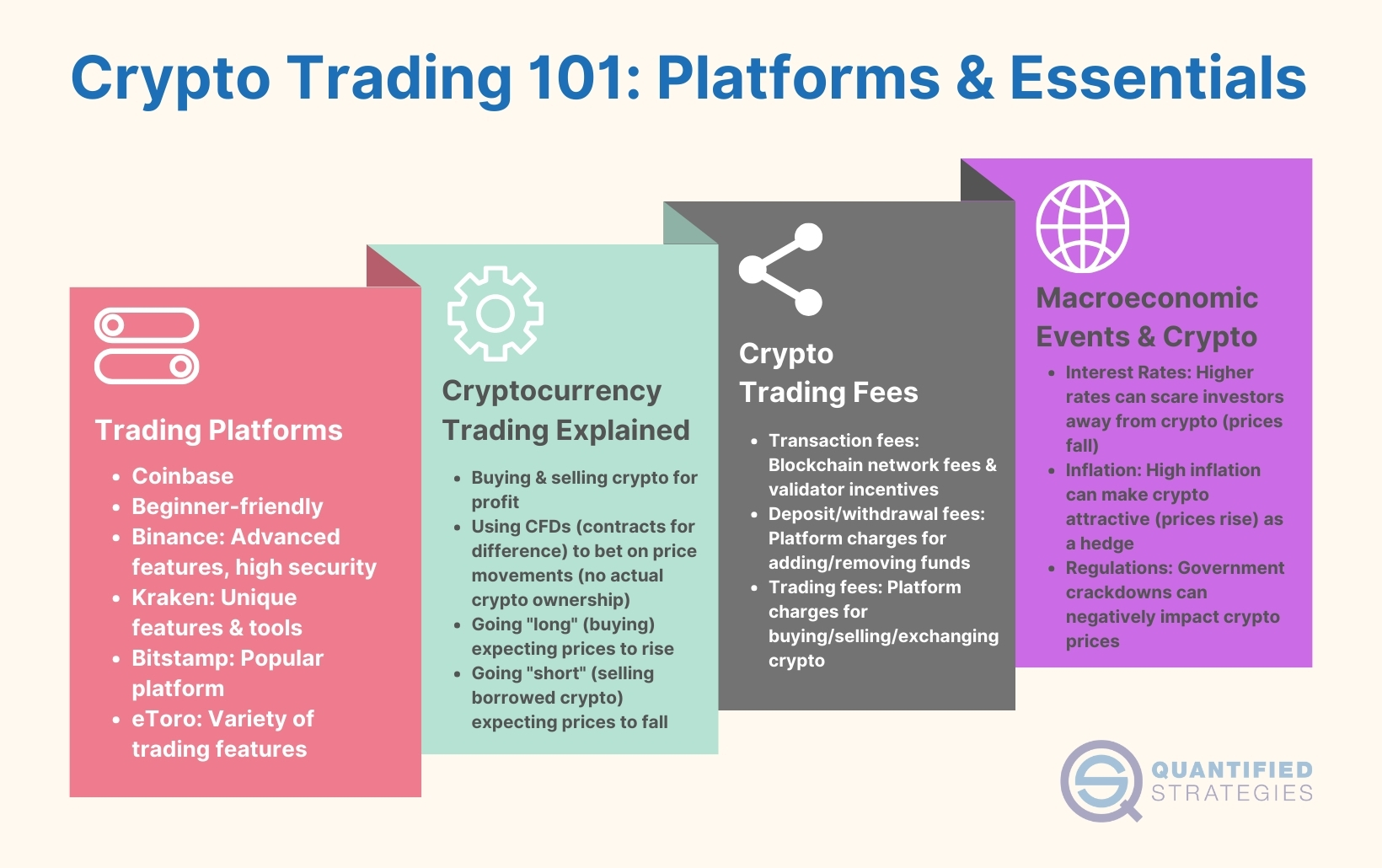
Your buy crypto strategy is only as strong as the platform you use to execute it. After deciding on the coins and the timing, you need a reliable venue to make the trade. This means looking beyond just the headline price to find a platform that balances security, low fees, and ease of use.
Security and Custody
The first thing to check is how your assets are held. If you are buying significant amounts, look for platforms that offer segregated custody or insurance coverage for digital assets. For long-term holds, consider self-custody solutions where you control the private keys. Hardware wallets are the gold standard for securing your investment against online hacks.


As an Amazon Associate, we may earn from qualifying purchases.
Fee Structures
Fees can eat into your returns, especially if you are using a dollar-cost averaging approach. Compare trading fees, withdrawal fees, and spread costs. Some platforms charge a flat fee per transaction, while others take a percentage of the trade value. Be aware of hidden costs like deposit fees for bank transfers or credit card purchases.
Ease of Use
For a buy crypto strategy, you want a platform that is intuitive and reliable. Look for clear interfaces, responsive customer support, and robust mobile apps. If you are new to crypto, choose a platform with educational resources and straightforward onboarding processes. Avoid overly complex platforms that might lead to costly mistakes.
Use live data to time your entries
Waiting for a confirmation signal is often the difference between catching a dip and buying a falling knife. Instead of guessing where the market might bottom, you can watch real-time price action to identify support levels and momentum shifts. This approach aligns with a disciplined buy crypto strategy that prioritizes evidence over emotion.
Start by monitoring major assets like Bitcoin and Ethereum using live feeds. Watching the price movement in real-time helps you avoid the trap of buying at local tops, which is a common mistake when prices are surging on social media hype. The widget below shows current pricing for reference, but always verify the live chart for the most up-to-date action.
To refine your entry, pair the price feed with technical indicators. A simple moving average or relative strength index (RSI) can tell you if an asset is overbought or oversold. If the RSI is above 70, the asset may be due for a correction, suggesting you wait for a pullback before buying. Conversely, if it drops below 30, it might signal a good entry point for a long-term hold.
The chart below displays the daily candlestick pattern for Apple stock (NASDAQ:AAPL) as an example of how technical charts render volume and RSI data. You would apply the same logic to crypto charts: look for convergence between price action and volume to confirm that a trend is genuine before committing capital.
Checklist for your first buy crypto strategy
Before you execute your first trade, ensure your infrastructure is secure and your plan is concrete. This checklist helps you avoid common pitfalls like poor security or emotional trading.
Use a hardware wallet for long-term holdings. Never share your seed phrase. Keep small amounts on exchanges for active trading only.
Dollar-cost averaging (DCA) reduces timing risk. Decide on a fixed amount and frequency (e.g., $50 weekly) to buy regardless of price fluctuations.
Check maker/taker fees and withdrawal costs. High fees can erode profits, especially for frequent small trades. Choose an exchange with transparent pricing.
Enable two-factor authentication (2FA) using an authenticator app, not SMS. Set up withdrawal whitelist addresses to prevent unauthorized transfers.
Know when to sell. Set target prices or trailing stops. Emotional decisions often lead to losses; stick to your pre-defined plan.
What is the best strategy for buying crypto?
Dollar-cost averaging (DCA) is generally the most effective strategy for most investors in post-ETF markets. Instead of trying to time the market, DCA involves buying a fixed dollar amount of crypto at regular intervals, regardless of the price. This approach smooths out volatility and removes the emotional stress of guessing the perfect entry point. Coinbase notes that this long-term strategy helps investors avoid the pitfalls of market timing, where fear of missing out or fear of loss often leads to poor decisions.
For experienced traders, active strategies like swing trading or momentum investing can offer higher returns but come with significantly higher risk and time commitment. These methods require constant monitoring of technical charts and market sentiment. However, for the average investor seeking steady exposure to digital assets without the stress of daily price fluctuations, DCA remains the practical, evidence-based choice.
| Strategy | Risk Level | Time Commitment | Best For |
|---|---|---|---|
| Dollar-Cost Averaging (DCA) | Low to Medium | Low | Long-term holders & beginners |
| Active Trading | High | High | Experienced traders & professionals |
While DCA is the recommended path for most, understanding the current market context is essential. The TechnicalChart below shows Bitcoin’s recent price action, highlighting the volatility that makes timing difficult and DCA attractive for smoothing out entry points.
Ultimately, the best strategy aligns with your risk tolerance and time availability. For those unwilling to monitor charts daily, DCA offers a disciplined, low-stress way to build a crypto portfolio in a post-ETF landscape.
No comments yet. Be the first to share your thoughts!