Bitcoin vs. Ethereum: Which Digital Asset Fits Your Goals?
Choosing between Bitcoin (BTC) and Ethereum (ETH) is the first major decision for any new investor. While both are leading cryptocurrencies, they serve different purposes in the digital economy. Bitcoin is primarily a store of value and a medium of exchange, often described as "digital gold." Ethereum, by contrast, is a programmable blockchain that powers decentralized applications (dApps), smart contracts, and non-fungible tokens (NFTs).
Understanding this distinction helps align your purchase with your financial objectives. If you seek relative stability and broad market recognition, Bitcoin is the standard entry point. If you are interested in the infrastructure of Web3 and decentralized finance (DeFi), Ethereum offers exposure to a broader ecosystem of innovation.
Market Dynamics and Use Cases
The following table compares key metrics that influence how these assets behave in the market. Note that market capitalization and volatility can shift daily; always verify current data before trading.
| Feature | Bitcoin (BTC) | Ethereum (ETH) |
|---|---|---|
| Primary Role | Store of Value / Currency | Smart Contract Platform |
| Supply Cap | 21 Million (Fixed) | No Hard Cap (Issuance varies) |
| Transaction Speed | Slower (10-60 mins) | Faster (~12-15 seconds) |
| Key Use Case | Digital Gold / Savings | DeFi, NFTs, DApps |
| Volatility | High | Very High |
Live Price and Chart Data
To see how these assets perform in real-time, refer to the live charts below. These provider-backed widgets reflect current market conditions, helping you avoid reliance on stale static prices.
Making the Initial Purchase
Once you have decided which asset aligns with your strategy, the next step is selecting a reputable exchange. Platforms like Coinbase, Binance, and Kraken offer secure environments for buying and storing crypto. Always prioritize exchanges that comply with local regulations and offer two-factor authentication (2FA) for enhanced security.
For beginners, starting with a small amount of Bitcoin is often recommended to familiarize yourself with market movements before exploring the more complex Ethereum ecosystem. This approach minimizes risk while providing a solid foundation for future learning.
Choose a regulated exchange
Your exchange is the gateway to the market, so treating it like a standard bank account is the right approach. You want a platform that holds your funds in segregated accounts, maintains cold storage for the majority of assets, and adheres to strict compliance standards. In the United States, this often means verifying that the exchange is registered with FinCEN and operates as a Money Services Business (MSB). For those seeking traditional financial oversight, platforms like Fidelity and Charles Schwab offer crypto services alongside conventional brokerage accounts, providing a layer of institutional familiarity that can reduce anxiety for new investors.
Security features are non-negotiable. Look for exchanges that offer two-factor authentication (2FA) using hardware keys or authenticator apps, rather than just SMS. Some platforms also provide custodial insurance that protects against theft of digital assets, though this coverage varies significantly by jurisdiction and exchange. Avoid unregulated offshore platforms that promise high yields or lack transparent ownership structures; the risk of losing your entire deposit in a collapse or hack is too high.
Fees can silently erode your returns, so compare the cost structure carefully. Some exchanges charge a flat percentage on trades, while others use a maker-taker model where liquidity providers pay less. Be aware of deposit and withdrawal fees, especially for fiat currency transfers and blockchain network gas fees. A low trading fee means little if your deposit costs are high. Read the fine print to understand the total cost of entry and exit.
Evaluate platform usability
Once you have a shortlist of secure, regulated exchanges, test their interface. A confusing dashboard can lead to costly mistakes, such as sending crypto to the wrong network or misplacing decimal points. Look for a clean layout that clearly separates your portfolio, trading tools, and account settings. Many top-tier exchanges offer mobile apps that mirror the desktop experience, allowing you to monitor your holdings on the go.
Customer support is another critical factor. When you encounter an issue—whether it’s a delayed withdrawal or a login problem—you need help that is responsive and knowledgeable. Check if the platform offers 24/7 live chat or phone support. Read recent user reviews to gauge how quickly and effectively the support team resolves issues. Poor support can turn a minor inconvenience into a major financial headache.
Finally, consider the educational resources provided. While you are learning, having access to clear guides on how to buy, sell, and store crypto can be invaluable. Some exchanges offer built-in tutorials or links to reputable educational content. This can help you build confidence and understand the mechanics of the market without needing to search for information elsewhere.
| Feature | Regulated Status | Fee Structure | Support Quality |
|---|---|---|---|
| Traditional Brokerage | High (SEC/FINRA) | Low to Zero | High |
| Crypto-Only Exchange | Varies (MSB/FinCEN) | Variable (0.1%-1%) | Variable |
Secure your holdings properly
Buy Crypto works best when the purchase path is explicit. Verify the source, compare the offer against real alternatives, check the total cost, and confirm what happens after payment before you decide. After each comparison, write down the one risk that would change your mind. If the seller, condition, support, warranty, shipping, or upkeep still feels uncertain, resolve that question before moving to checkout.
The simplest way to use this section is to verify the seller, compare the total cost, and resolve the biggest risk before you commit.
Execute your first purchase
Buying Bitcoin and Ethereum is a straightforward process once you have a verified account and funding in place. The goal here is to move from a funded wallet to an active position with minimal friction. We will walk through the exact steps to place a buy order on a major exchange like Coinbase.
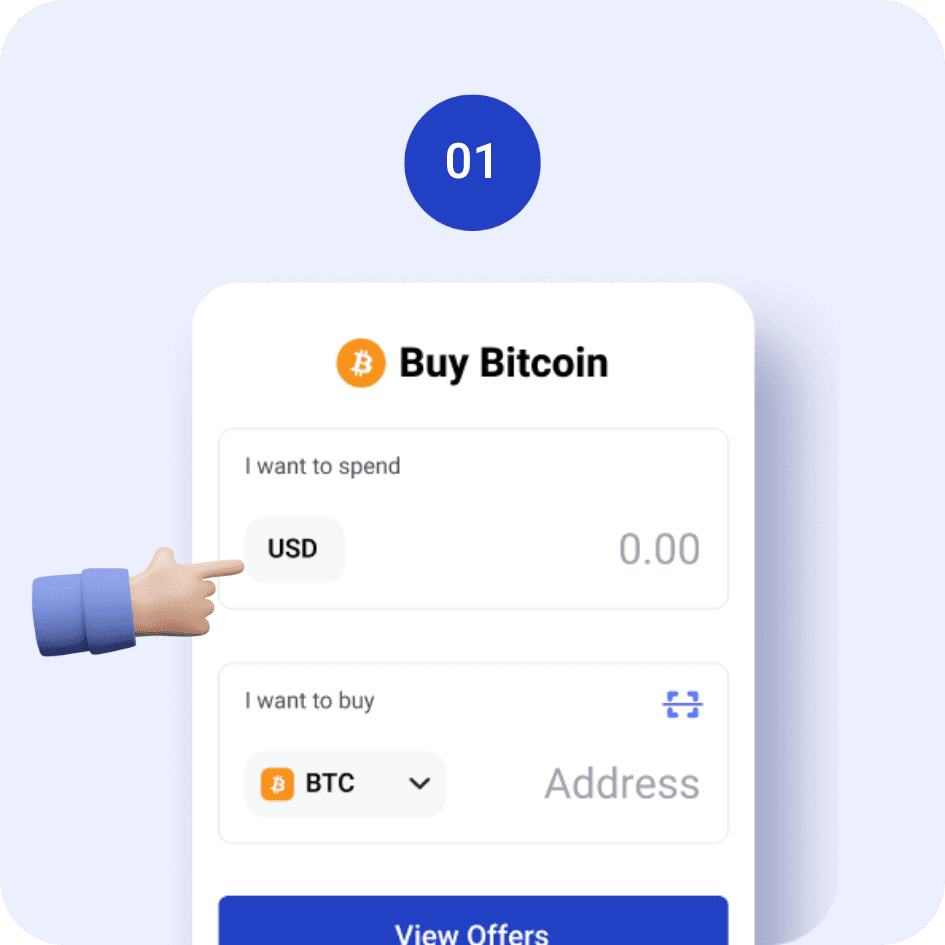
Before you can buy crypto, you need fiat currency (USD, EUR, etc.) in your exchange account. Link a bank account or debit card. Bank transfers (ACH) are often free but may take 1-3 days to clear. Debit card purchases are instant but usually carry a 1-3% fee. Check the exchange’s fee schedule to avoid surprise costs.
Open your exchange app or website and locate the "Buy" or "Trade" button. This is typically prominent on the dashboard. Select the asset you want to purchase from the list. For this guide, we are focusing on Bitcoin (BTC) or Ethereum (ETH). Avoid selecting "Trade" if you are a beginner; stick to the simple "Buy" interface which handles order routing for you.
Input the fiat amount you wish to spend or the crypto amount you want to receive. The platform will display the estimated exchange rate and any fees involved. Review the "Order Summary" carefully. Ensure you are buying the correct asset and that the total cost matches your budget. This is your last chance to cancel before the transaction is locked in.
Click "Review Order" and then "Place Buy Order." Once confirmed, the crypto will appear in your exchange wallet. For long-term holding, consider transferring your assets to a self-custody wallet (like a hardware wallet) for maximum security. If you plan to trade actively, leaving funds on a reputable exchange is acceptable, but remember: "not your keys, not your coins."
Track market performance
Once your Bitcoin or Ethereum is sitting in your wallet, the next step is to understand how those assets are moving. You don't need to watch the ticker every minute, but having reliable tools to check price action helps you stay informed without falling into the trap of constant anxiety.
Live charts are your best friend here. They provide context that a single price number cannot. A static price tells you what something cost at a specific moment, but a chart reveals the trend, volatility, and overall health of the market over time. Using provider-backed charts ensures you are looking at accurate, real-time data rather than stale information from a news article written days ago.
For a quick snapshot, live price widgets offer immediate visibility. These tools display current valuations for Bitcoin and Ethereum, often alongside percentage changes. They are useful for a daily check-in to see if your portfolio is trending up or down, but remember that short-term fluctuations are normal. The goal is to track performance over weeks or months, not to react to every minute-by-minute dip.
Common beginner: what to check next
Starting with crypto can feel overwhelming when you're faced with dozens of options. Most new investors focus on the two largest assets by market capitalization: Bitcoin and Ethereum. These two serve different purposes in a portfolio and offer distinct ways to interact with the digital asset ecosystem.
Bitcoin is widely considered the safest entry point for long-term familiarity and market trust. It functions primarily as a store of value and digital gold. Ethereum, on the other hand, is the foundation for decentralized finance (DeFi), non-fungible tokens (NFTs), and Web3 applications. While Bitcoin is about preservation, Ethereum is about utility and development.
For those seeking growth with higher risk, Solana offers a faster, lower-cost alternative to Ethereum. However, it carries more volatility. Beginners often start with stablecoins like USDT or USDC to learn how exchanges and wallets work without exposing their capital to extreme price swings. This approach allows you to understand the mechanics of trading before committing to volatile assets.
Helpful gear
Use these product recommendations as a starting point, then choose the size, material, and price point that fit how you actually use the gear.


As an Amazon Associate, we may earn from qualifying purchases.
No comments yet. Be the first to share your thoughts!