How to pick a crypto exchange
Choosing the right platform is the foundation of your crypto journey. A secure, regulated exchange protects your funds and ensures you can buy, sell, or trade without unnecessary friction. While popular options like Coinbase, Binance, and Kraken are frequently cited, the "best" choice depends on your specific needs regarding fees, security features, and asset variety.
Compare major exchanges
The table below outlines key differences between three widely used platforms. Use this comparison to identify which structure aligns with your trading frequency and security preferences.
| Exchange | Fee Structure | Security Features | Asset Variety |
|---|---|---|---|
| Coinbase | Higher (0.4%-1.5%) | US-regulated, insured deposits | Large selection of major coins |
| Binance | Low (0.1% maker/taker) | SAFU fund, 2FA required | Extensive altcoin selection |
| Kraken | Moderate (0.16%-0.26%) | Cold storage, proof of reserves | Strong privacy and fiat pairs |
Evaluate security and regulation
Regulation matters more than convenience when storing significant value. Platforms operating in the United States, such as Coinbase and Kraken, are subject to stricter oversight and often offer insurance on fiat deposits. This regulatory layer provides a safety net that offshore or less regulated exchanges may lack. Always verify that the platform maintains proof of reserves and uses cold storage for the majority of user funds.
Consider fee structures
Trading fees can erode profits, especially for active traders. Binance typically offers the lowest base fees, while Coinbase prioritizes ease of use with higher costs. If you hold long-term, low-frequency positions, the difference may be negligible. However, for frequent trading, a lower-fee platform like Binance or Kraken can save considerable money over time. Always check for hidden withdrawal or deposit fees before funding your account.
Custodial vs. Non-Custodial Storage
Choosing where to store your crypto is the most critical decision in your security setup. It defines who holds the keys to your assets. You generally have two paths: custodial storage, where a third party manages your keys, or non-custodial (self-custody) storage, where you hold the keys yourself.
Custodial Storage
Custodial storage means you trust a platform, like an exchange, to secure your assets. This is similar to keeping money in a bank. It is convenient for frequent trading because you don't need to manage complex seed phrases. However, you do not truly own the crypto; the platform does. If the exchange is hacked or goes bankrupt, you can lose everything. This model is best for active traders who need immediate access, not for long-term holders.
Non-Custodial Storage
Non-custodial storage puts you in full control. You hold the private keys, often stored in a hardware wallet or a software wallet. This is the industry standard for long-term security because there is no central point of failure. If you lose your keys, you lose your funds, but no one else can steal them. For serious investors, self-custody is the only safe option.
Hardware Wallets
Hardware wallets are physical devices that store your private keys offline. They are considered the gold standard for security because they are immune to online hacks. You connect the device only when you need to sign a transaction, then disconnect it immediately.
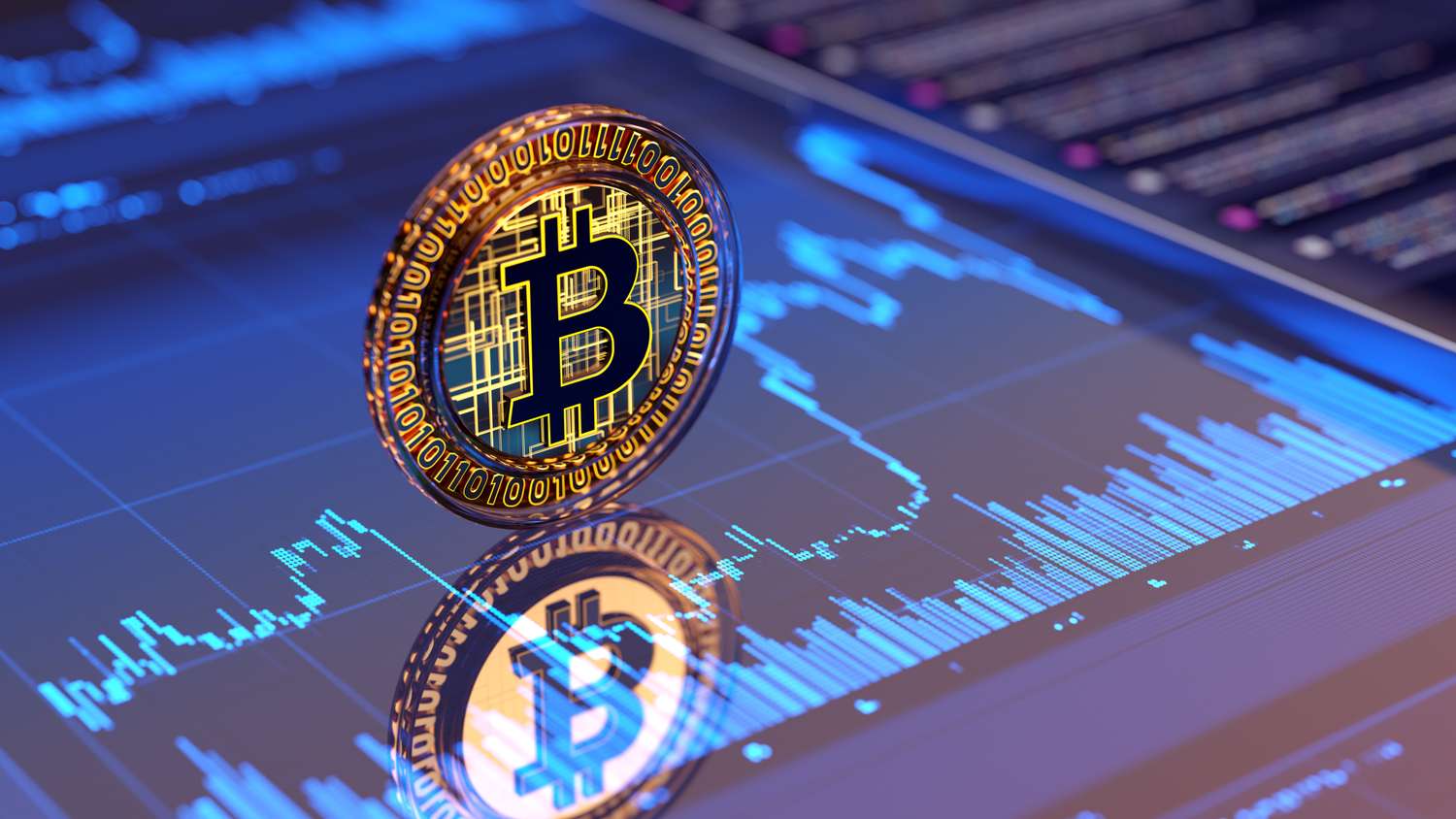
Start by selecting a trusted manufacturer. Established brands like Ledger and Trezor have decades of experience in cybersecurity. Avoid obscure, no-name devices that may have compromised firmware. Read independent reviews to ensure the device has a strong track record.
Never buy a hardware wallet from Amazon, eBay, or third-party sellers. These channels are vulnerable to tampering, where attackers might intercept the device and install malicious hardware before it reaches you. Always order directly from the manufacturer's official website to ensure the device is sealed and authentic.
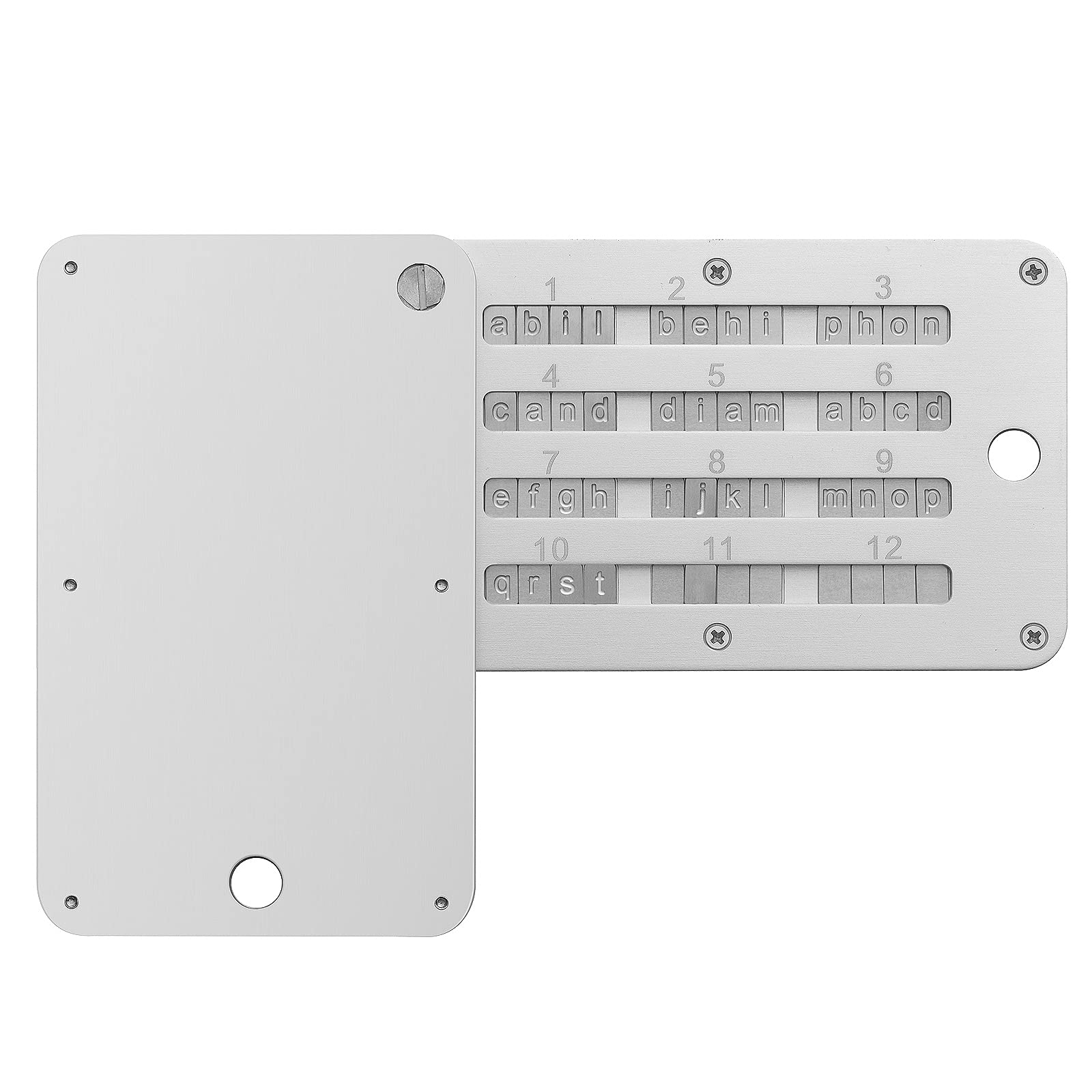
Upon setup, the device will generate a 12 or 24-word recovery phrase. Write this down on the provided paper card using the included pen. Never store this phrase digitally, take a photo of it, or save it in a password manager. If you lose this phrase, your funds are gone forever. Store the paper in a fireproof safe or a secure bank deposit box.


As an Amazon Associate, we may earn from qualifying purchases.
Software Wallets
Software wallets are applications installed on your computer or phone. They are free and easy to use, making them good for small amounts of crypto you plan to spend regularly. However, they are more vulnerable to malware and hacking than hardware wallets. If your device is infected with a virus, your private keys could be stolen. Never use a software wallet for significant holdings.
Multi-Signature Wallets
Multi-signature (multi-sig) wallets require multiple private keys to authorize a transaction. This adds an extra layer of security, as an attacker would need to compromise multiple devices or locations to steal your funds. This is ideal for businesses or high-net-worth individuals who want to distribute risk across different family members or locations.
Analyzing market trends
Before committing capital, you need to understand what the numbers are actually telling you. Technical analysis is the study of price action and volume to identify potential future movements. It doesn’t predict the future with certainty, but it helps you spot patterns that suggest where the market might be heading next. Think of it like reading the weather: you can’t control the storm, but you can see the clouds gathering and decide whether to bring an umbrella.
The most important tool in this process is live data. Static charts from weeks ago are useless for making today’s decisions. You need to see real-time price action, volume spikes, and moving averages as they happen. This is why relying on official, provider-backed data sources is non-negotiable. Platforms like Fidelity and Charles Schwab emphasize starting with a clear understanding of these basics before diving into complex strategies [1][2].
To see this in action, look at the live chart for Bitcoin below. Notice how the price moves in waves rather than straight lines. The goal isn’t to catch every single wiggle, but to identify the broader trend. Are the highs getting higher? Is the volume increasing on up days? These are the signals that separate informed decisions from gambling.
You can also check the current price of Bitcoin to get a sense of immediate market sentiment.
While technical analysis provides a framework for timing, it should always be paired with fundamental understanding. Knowing why a project exists and who is building it matters just as much as the chart pattern. But for now, focus on learning to read the price action. It’s the language the market speaks, and once you understand it, you’ll feel more confident in your entry and exit points.
How to make your first crypto purchase
Buying your first cryptocurrency is less about complex trading and more about following a clear sequence of actions. Think of it like setting up a bank account: you verify your identity, fund the account, and then move money where you want it. The process is standardized across most major platforms, which makes it predictable even if the technology feels new.
1. Choose a reputable platform
Start by selecting a regulated exchange that operates in your region. For beginners, established platforms like Coinbase or Kraken are often the safest starting points because they prioritize security and user education over complex trading features. Ensure the platform supports your local currency and offers the specific assets you want to buy, such as Bitcoin or Ethereum.
2. Complete identity verification
Legitimate exchanges are required by law to verify your identity. This process, known as KYC (Know Your Customer), involves uploading a government-issued ID and sometimes a selfie. While this step can take anywhere from a few minutes to a couple of days, it is non-negotiable for accessing full features like fiat deposits and higher withdrawal limits.
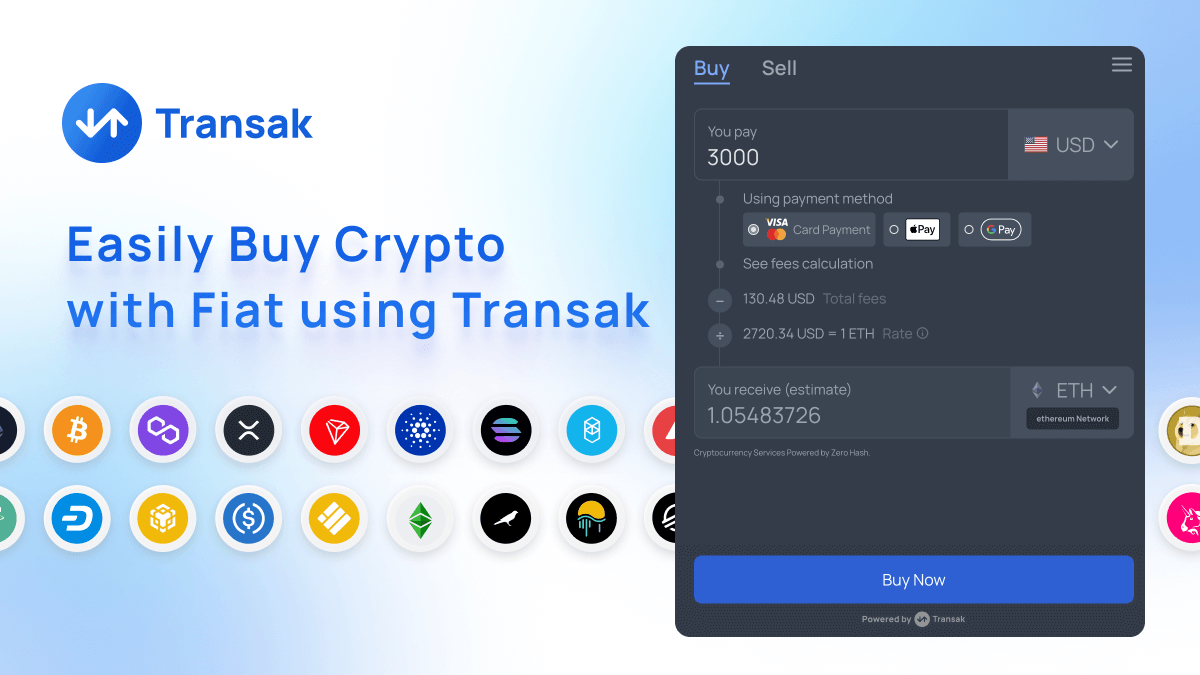
Link your bank account, debit card, or credit card to your exchange profile. Bank transfers (ACH or SEPA) typically have lower fees but may take a few days to clear. Debit cards offer instant funding but often come with higher transaction percentages. Choose the method that balances cost and speed for your needs.
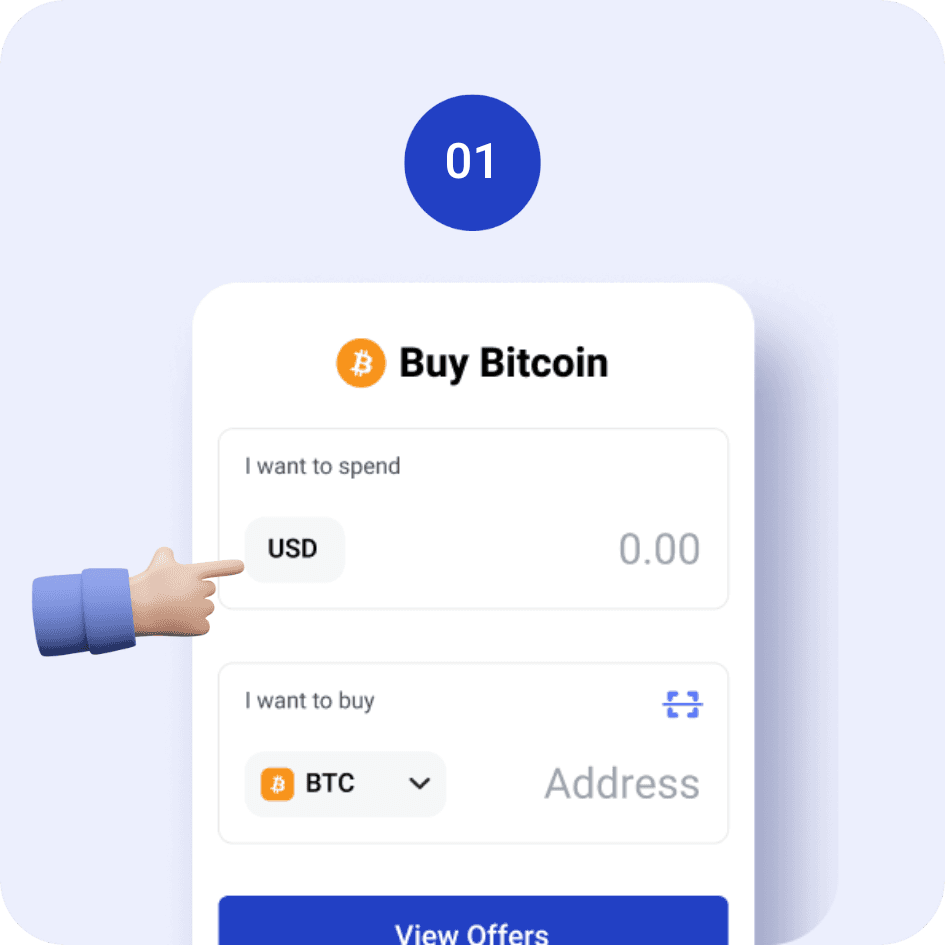
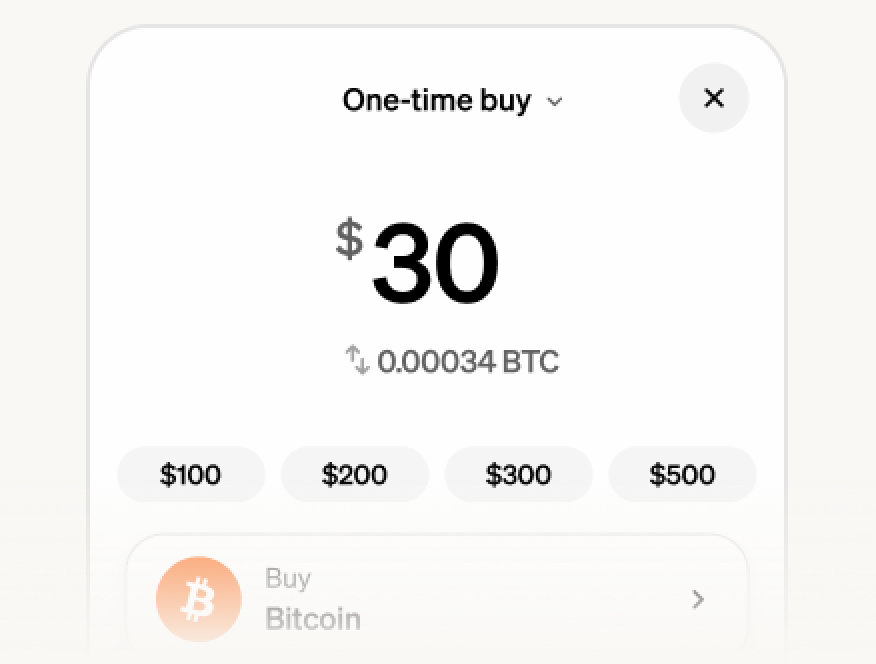
Navigate to the "Buy" or "Trade" section and search for the cryptocurrency you want. Bitcoin is the most common starting point due to its liquidity and market dominance. Enter the amount you wish to spend in your local currency; the platform will show you the estimated crypto amount you will receive based on the current market rate.
Before finalizing, carefully review the transaction details. Check the exchange rate, the fee breakdown, and the total amount of crypto you will receive. Many platforms display a "preview" screen where you can see exactly how much you are paying in fees versus how much is going into the asset. Once satisfied, confirm the purchase.
After the purchase clears, your crypto will appear in your exchange wallet. For small amounts, leaving it on a reputable exchange is acceptable. However, for larger sums, consider transferring your assets to a personal hardware wallet for maximum security. This removes your assets from the exchange's control, protecting them from potential platform hacks or insolvency.
3. Monitor and hold
Once your purchase is complete, you can monitor your investment through the platform's dashboard. Cryptocurrency markets are volatile, so prices can fluctuate significantly in short periods. A common strategy for beginners is "buy and hold" (HODL), where you acquire assets with a long-term perspective rather than trying to time short-term price movements.
Common beginner: what to check next
Newcomers often face a crowded market with thousands of assets. The primary challenge is distinguishing between established stores of value and experimental projects. Focusing on assets with clear utility and proven track records reduces unnecessary risk while you learn the mechanics of buying and storing crypto.
What crypto should beginners buy?
Bitcoin is widely considered the simplest entry point for new investors. It operates on a decentralized network with a fixed supply cap, offering a clear narrative of digital scarcity and high liquidity. This stability makes it easier to understand compared to more volatile alternatives.
Ethereum serves as the second common starting point for those interested in the broader ecosystem. It supports smart contracts, decentralized finance (DeFi), and non-fungible tokens (NFTs). While more complex than Bitcoin, it provides exposure to the infrastructure driving Web3 innovation.
Is it safe to buy crypto on exchanges?
Reputable centralized exchanges hold the majority of retail assets, but they are not immune to hacks or operational failures. To mitigate this risk, many users transfer their holdings to self-custody wallets after purchasing. This shift puts control of private keys directly in your hands, removing reliance on third-party custodians.
How much should I invest as a beginner?
There is no universal rule, but most financial advisors suggest allocating only a small percentage of a diversified portfolio to high-risk assets like crypto. Treat this capital as speculative. Never invest funds you need for essential expenses or emergency savings, as market volatility can lead to significant short-term losses.
No comments yet. Be the first to share your thoughts!