Understanding crypto infrastructure in 2026
Cryptocurrency is a class of digital assets, including Bitcoin and Ethereum, that runs without the need for a central authority. While the underlying technology remains the same, the infrastructure surrounding it has shifted dramatically. In 2026, the market is no longer defined by wild, unregulated speculation but by institutional-grade systems and clearer regulatory frameworks.
This shift means that buying crypto is no longer just about downloading an app and hoping for the best. It is about navigating a landscape where traditional finance players have built robust bridges to digital assets. You can now purchase cryptocurrency from popular exchanges like Coinbase, through familiar apps like Cash App, or via established brokers. This accessibility is a direct result of the infrastructure maturing to meet institutional standards.
The focus has moved from chasing speculative gains to understanding the underlying security and reliability of these platforms. For beginners, this is a positive development. It means the barriers to entry are lower, but the need for due diligence is higher. You are not just buying a token; you are interacting with a regulated financial system.
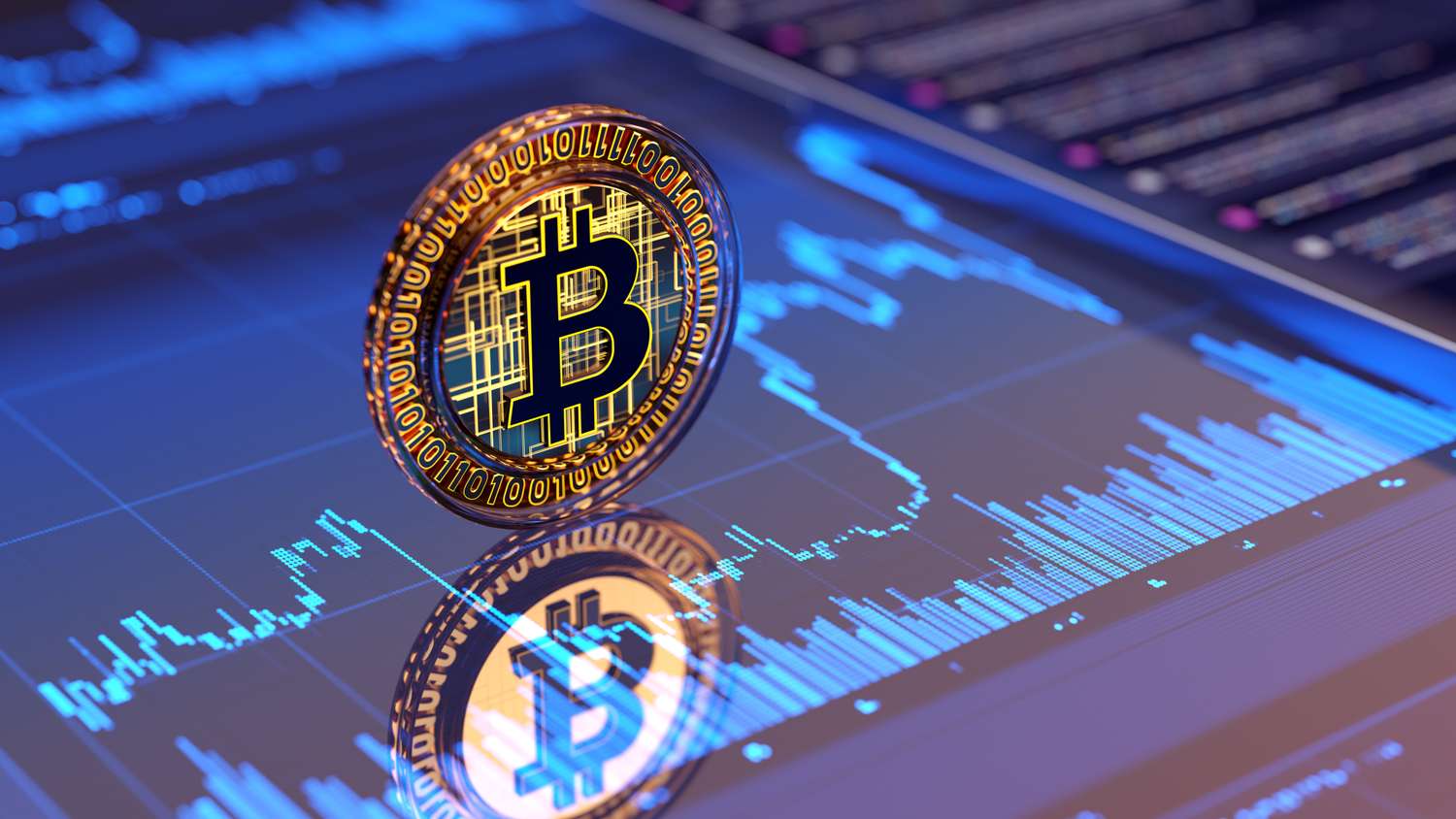
To see how the market is currently structured, it helps to look at the primary asset, Bitcoin. The chart below visualizes the current market structure, showing how institutional inflows and regulatory clarity have stabilized long-term trends compared to previous cycles.
Choosing the right exchange platform
Selecting an exchange is the first real hurdle in buying crypto. You are essentially choosing a bank that also happens to trade digital assets, so reliability matters more than flashy features. In 2026, the landscape has shifted toward platforms that prioritize regulatory compliance and transparent fee structures. For beginners, a user-friendly interface is just as important as low costs because complexity often leads to costly mistakes.
Security should be your non-negotiable baseline. Look for exchanges that offer two-factor authentication (2FA) and have a history of stable operations. While no platform is immune to risk, established players like Coinbase, Binance, and Kraken have invested heavily in infrastructure to protect user funds. Avoid obscure platforms that promise high yields or lack clear regulatory oversight in your jurisdiction.
Fees vary significantly between platforms. Some charge a flat fee per transaction, while others use a maker-taker model based on trading volume. For occasional buyers, a simple buy-and-hold approach on a major exchange is usually the most cost-effective route. Always check the deposit and withdrawal fees, as these can eat into small investments over time.
Side-by-side comparison
To help you decide, here is a comparison of three major exchanges. This table focuses on the factors that matter most to new investors: ease of use, security features, and general fee structure.
| Exchange | Security Focus | Fee Structure | Best For |
|---|---|---|---|
| Coinbase | High (Publicly traded, US regulated) | Standard (Higher on instant buys) | Absolute beginners & US residents |
| Binance | High (SAFU fund, 2FA) | Low (Tiered volume discounts) | Low fees & global availability |
| Kraken | Very High (Long history, no hacks) | Moderate (Maker/taker model) | Security-conscious traders |
What to check before you sign up
Before funding your account, run through this quick checklist to ensure you are setting up a secure foundation. This process takes only a few minutes but significantly reduces your risk profile.
- Verify the exchange is regulated in your country.
- Enable two-factor authentication (2FA) immediately after signing up.
- Start with a small deposit to test the withdrawal process.
- Review the fee schedule for deposits and withdrawals.
- Download the official mobile app from a verified store.
Choosing the right platform is about balancing convenience with security. Once you have selected an exchange, you are ready to make your first purchase.
Essential tools for market research
Before you commit funds, you need a clear view of the market. Relying on gut feelings or social media hype is a fast track to losses. Instead, use established platforms that provide transparent data, real-time pricing, and educational resources. These tools help you understand what you are buying and when.
Start with a price widget to track live market movements. Seeing how assets like Bitcoin fluctuate in real time gives you a feel for volatility without the pressure of a trade. This is especially helpful if you are just starting with a small amount, as even $100 can be enough to learn the ropes.
For deeper analysis, look to research hubs like Fidelity’s learning center. They break down complex concepts into plain language, helping you distinguish between speculation and actual utility. Pair this with a technical chart to spot trends. Understanding support levels and volume helps you avoid buying at artificial peaks.
Finally, keep a watchlist. Most major exchanges allow you to monitor multiple assets simultaneously. Set price alerts for entries that match your risk tolerance. This way, you can act decisively when the market moves, rather than reacting emotionally in the moment.
Securing your digital assets
Buying crypto is only half the battle. If you leave your coins on an exchange, you don’t truly own them—just an IOU from that company. A 2022 report from Chainalysis found that nearly 45% of all crypto thefts occurred on centralized exchanges, highlighting why self-custody is the only way to guarantee your assets remain yours. Think of a hardware wallet like a physical safe for your digital wealth: it keeps your private keys offline, where hackers can’t reach them.
Set up a hardware wallet
Hardware wallets are specialized devices that store your private keys in a secure, isolated environment. They are the industry standard for anyone holding significant value. When you connect the device to a computer or phone, it signs transactions locally without ever exposing your keys to the internet. This "cold storage" method ensures that even if your computer is infected with malware, your funds remain safe. Look for devices from established manufacturers like Ledger or Trezor, which have transparent security audits and open-source code.
Research hardware wallets from trusted brands. Focus on devices with a long track record of security updates and community trust. Avoid obscure or no-name brands that lack transparency.
Set up the device following the manufacturer’s instructions. You will be given a 12 or 24-word recovery phrase. Write this down on paper or metal—never digitally. This phrase is the only way to recover your funds if the device is lost or damaged.
Once your wallet is set up, generate a receiving address on the device. Send your crypto from your exchange to this address. Verify the transaction on the device screen to ensure it’s going to the correct wallet.


As an Amazon Associate, we may earn from qualifying purchases.
Keep your recovery phrase safe
Your seed phrase is the master key to your crypto. If you lose it, your funds are gone forever. If someone else finds it, they can steal everything. Store your backup in a secure, physical location like a fireproof safe or a safety deposit box. Never store it in cloud storage, email, or screenshots on your phone, as these are vulnerable to hacking. Treat this piece of paper with the same seriousness as a bank vault combination.
Beware of phishing scams
Security isn’t just about hardware; it’s about vigilance. Scammers often create fake websites or apps that look identical to legitimate wallet providers. Always double-check URLs and never click on links in unsolicited emails or messages. Official support teams will never ask for your seed phrase. If a website asks you to paste your private keys or recovery phrase, it is a scam. Close the tab immediately.
Start with a small investment
You do not need thousands of dollars to enter the crypto market. Most people assume they need a large sum to take their first real step into digital assets, but even $50 or $100 is enough to start. Starting small allows you to learn the mechanics of buying, storing, and tracking your assets without exposing yourself to significant financial risk.
Think of your first purchase as tuition rather than an investment vehicle. You are paying for the experience of navigating exchanges, understanding wallet security, and observing how prices move in real time. This approach shifts your focus from immediate profit to long-term education, which is far more valuable for beginners.
As you become more comfortable, you can gradually increase your allocation. For now, treat this initial capital as a tool for building confidence and technical literacy. The infrastructure of 2026 makes these small transactions easier and cheaper than ever before, removing the friction that once made small investments impractical.
No comments yet. Be the first to share your thoughts!