The new buy crypto landscape
The cryptocurrency market has moved past its wild west era. What was once defined by speculative frenzy and unregulated exchanges is now anchored by institutional-grade infrastructure. This shift doesn't mean the excitement is gone; it means the foundation is stronger. For anyone following a buy crypto guide today, the priority has shifted from chasing quick gains to securing long-term holdings with robust tools.
Post-ETF stability has changed how capital flows into digital assets. Major financial institutions now offer regulated access through traditional brokerage platforms, making it easier to buy crypto outright or through exchange-traded products without navigating obscure exchanges. This institutional backing provides a layer of security and transparency that was previously absent, reducing the risk of platform failures that plagued earlier cycles.
Visualizing the Shift
The following chart illustrates Bitcoin's price action over the last year, highlighting the relative stability compared to previous volatile periods. This trend reflects the maturation of the market as institutional investors integrate digital assets into broader portfolios.
Infrastructure Over Hype
Today’s buy crypto strategy focuses on security and long-term holding rather than day trading. With major players like Fidelity offering direct access to crypto investments, the barrier to entry has lowered while the standard for safety has risen. Investors are encouraged to use these regulated channels to mitigate counterparty risk.
The goal is no longer just to own crypto, but to own it safely. This means using cold storage solutions, verifying wallet addresses meticulously, and choosing platforms that undergo regular audits. The landscape is less about who can shout the loudest about the next pump, and more about who can provide the most reliable, secure access to the asset class.
Choosing the right exchange platform
Selecting a cryptocurrency exchange is the first technical hurdle in buying crypto. The platform you choose acts as your gateway, dictating how much you pay in fees, how secure your assets are, and how easily you can execute trades. For beginners, the best exchange balances low costs with a simple interface and robust security measures.
The market is divided primarily into centralized exchanges (CEXs) and decentralized exchanges (DEXs). CEXs like Coinbase, Kraken, and Binance operate as traditional intermediaries, holding your funds and facilitating trades. They are generally easier for beginners because they support fiat currency deposits (USD, EUR, etc.) and offer customer support. DEXs, such as Uniswap, allow peer-to-peer trading without a central authority but require a self-custody wallet and familiarity with blockchain gas fees, making them less suitable for initial entry.
When comparing CEXs, focus on three core criteria: fee structure, security features, and supported assets. Most regulated exchanges charge a maker-taker fee model, where passive liquidity providers (makers) pay less than active traders (takers). Some platforms also offer subscription tiers to reduce fees. Security is paramount; look for platforms that store the majority of user funds in cold storage (offline wallets) and offer two-factor authentication (2FA). Regulatory compliance, such as being registered with financial authorities in your jurisdiction, adds a layer of accountability.
The table below compares three major centralized exchanges based on publicly available fee structures and security features. These metrics are approximate and can change; always verify current rates on the exchange’s official website.
| Exchange | Maker Fee | Taker Fee | Key Security Features | Best For |
|---|---|---|---|---|
| Coinbase | 0.40% | 0.60% | 2FA, Cold Storage, FDIC Insurance (USD) | Beginners |
| Kraken | 0.16% | 0.26% | 2FA, Cold Storage, Proof of Reserves | Security-focused users |
| Binance | 0.10% | 0.10% | 2FA, SAFU Fund, Cold Storage | Low fees & high volume |
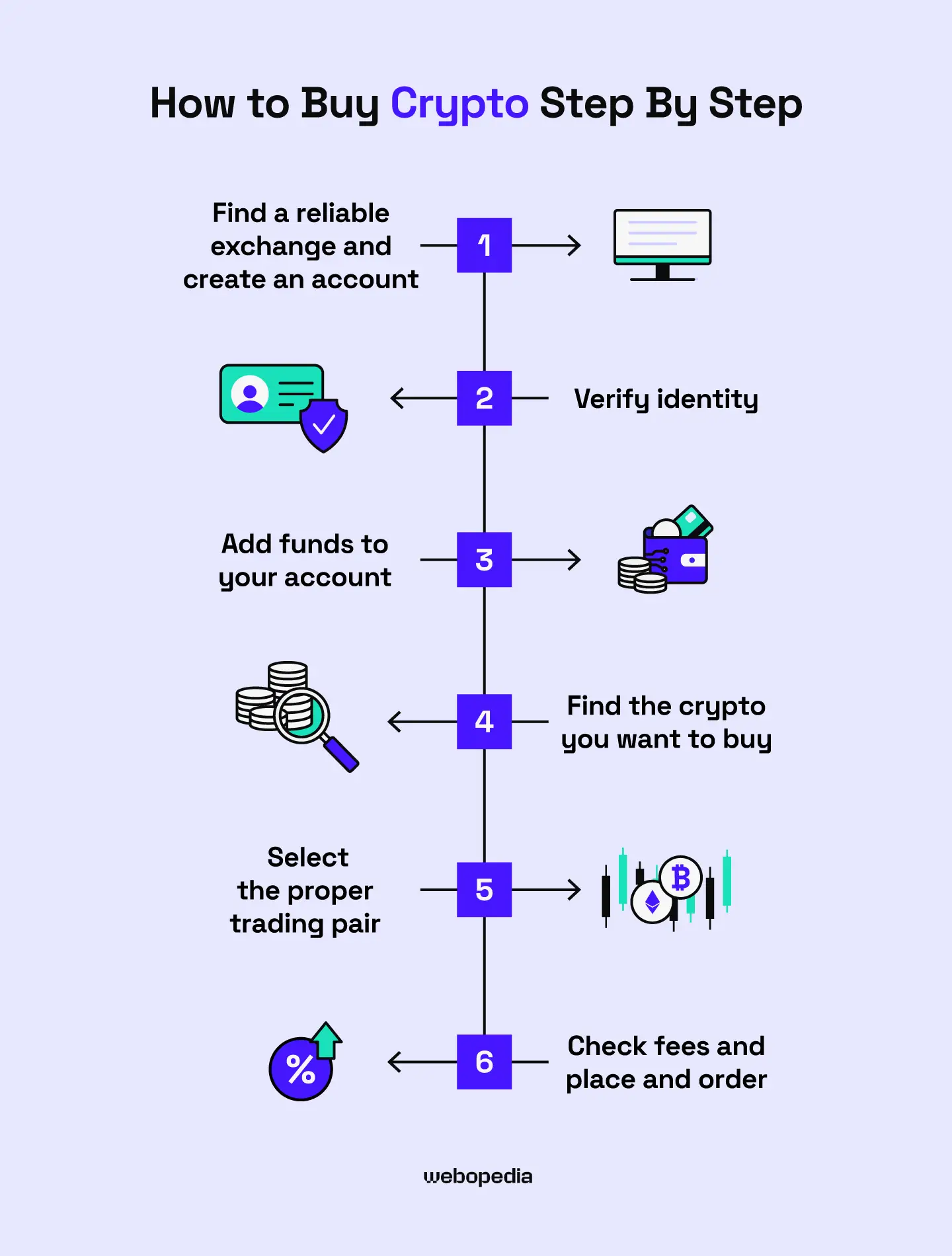
Before funding your account, ensure you understand the deposit methods. Bank transfers (ACH/Wire) are usually the cheapest but may take 1-3 days to clear. Credit/debit cards are instant but often incur higher processing fees (3-5%).
Checklist for selecting an exchange:
-
Verify the exchange is regulated in your country (e.g., registered with FinCEN in the US).
-
Check if the exchange supports your preferred fiat currency deposit method.
-
Compare trading fees against your expected trading volume.
-
Ensure the platform offers two-factor authentication (2FA) and supports hardware wallet integration.
-
Review the exchange’s proof of reserves or audit history for transparency.
Once you have selected a platform, the next step is to secure your account. Never share your private keys or recovery phrases. Consider using a hardware wallet for long-term holdings, keeping only what you actively trade on the exchange.
Secure storage and asset protection
When you buy crypto, you are not just buying a digital token; you are acquiring a private key that controls access to an asset. The difference between leaving that asset on an exchange and moving it to a self-custody wallet is the difference between renting a safe deposit box and holding the only key to a vault in your home. Most beginner investors make the mistake of leaving significant holdings on exchanges, treating them like bank accounts. This is a critical vulnerability.
Exchanges are centralized entities. If an exchange experiences a security breach, regulatory freeze, or bankruptcy, your funds are at risk. The collapse of major platforms in recent years has demonstrated that "not your keys, not your coins" is not just a slogan, but a financial reality. Self-custody shifts the responsibility of security from a corporation to you, but it also provides true ownership.
1. Choose a hardware wallet for long-term holdings
For assets you intend to hold long-term, a hardware wallet is the industry standard for security. These devices store your private keys offline, isolating them from internet-connected computers and potential malware. When you need to make a transaction, the device signs it internally and sends only the signature to your computer, ensuring the private key never leaves the secure chip.
Start by choosing a wallet from a trusted manufacturer. Look for devices that have a long track record of security and open-source firmware. Avoid unknown brands or wallets that promise unrealistic features. The goal is to find a device that prioritizes security over flashy design.
Never buy a hardware wallet from a third-party seller on Amazon, eBay, or a random online marketplace. Counterfeit devices may have been tampered with before they reached you. Always order directly from the official manufacturer's website to ensure the device is sealed and authentic.
When you first power on the device, it will generate a new set of recovery words (usually 12 or 24 words). Write these down on the provided recovery card or a piece of paper. Never store this seed phrase digitally, in a photo, or in a password manager. If you lose this phrase, your funds are gone forever.
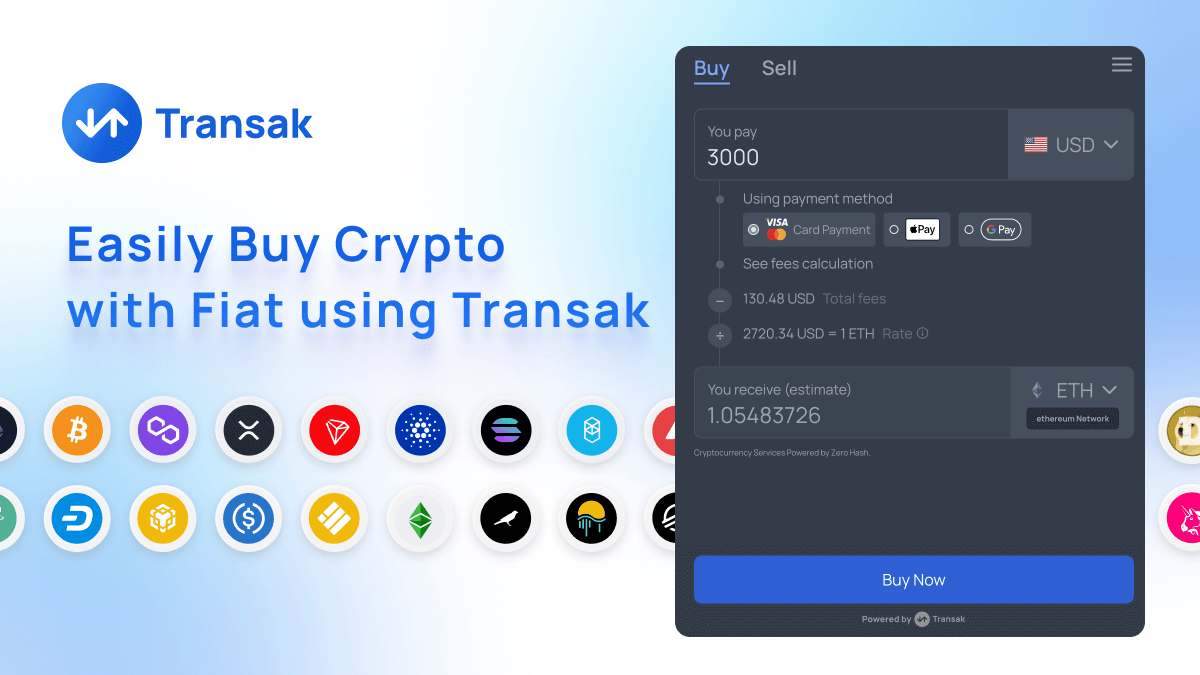
Once your wallet is set up, you will receive a unique public address. Send your crypto from the exchange to this address. Verify the address carefully before confirming the transaction. After the transfer is complete, you can safely remove your assets from the exchange environment.
Recommended hardware wallets
Choosing the right device depends on your needs, but the market is dominated by a few reliable options. The Ledger Nano X and Trezor Model T are widely considered the gold standards for self-custody. Ledger offers a companion app that supports a vast array of assets, while Trezor is praised for its open-source software and strong security architecture. For Bitcoin-only users, the Trezor Safe 3 or KeepKey offer simpler, more focused interfaces.


As an Amazon Associate, we may earn from qualifying purchases.
Final security tips
Security is an ongoing process, not a one-time setup. Keep your recovery seed phrase in a fireproof safe or a safety deposit box, never on your computer or phone. Be wary of phishing scams; legitimate wallet companies will never ask for your seed phrase. If you lose your device, you can restore your wallet using the seed phrase on any compatible device. If you lose the seed phrase, there is no customer support that can recover your funds. Treat your crypto like cash: if you lose it, it is gone.
Building a Resilient Buy Strategy
Navigating cryptocurrency markets requires a shift from reactive trading to disciplined execution. The most effective way to mitigate volatility is through dollar-cost averaging (DCA). Instead of trying to time the market—a task even professional fund managers struggle with—you commit to buying a fixed dollar amount at regular intervals, regardless of price. This approach smooths out your entry price over time and removes the emotional stress of guessing short-term movements.
Start small and focus on long-term goals rather than hype. As Charles Schwab notes, beginners should prioritize understanding the basics and choosing a reliable platform before worrying about maximizing immediate returns. This mindset protects you from the FOMO (fear of missing out) that often leads to buying at local peaks. By automating your purchases, you enforce consistency, which is the bedrock of a resilient portfolio.
Position sizing is equally critical. Never allocate funds you cannot afford to lose, and avoid putting all your capital into a single asset. A common rule of thumb is to limit any single crypto asset to a small percentage of your total investment portfolio, often between 1% and 5% for high-volatility assets. This ensures that a 50% drop in Bitcoin or Ethereum doesn’t derail your broader financial plan.
To keep your strategy grounded in reality, monitor live market data rather than relying on historical charts or news headlines. Real-time price action helps you understand the current volatility context without making impulsive decisions based on past performance.
Common beginner questions answered
New investors often face the same hurdles: choosing a platform, managing small budgets, and understanding the long-term mechanics of the market. Addressing these specific points helps reduce friction and sets realistic expectations for infrastructure and strategy.
No comments yet. Be the first to share your thoughts!