Buy crypto strategy
A buy crypto strategy is not a single trade; it is the infrastructure you build to handle volatility. The goal is to remove emotion from the entry point. This requires three pillars: market research, secure infrastructure, and the right tools.
Start with research. Track on-chain data and institutional flows. Look at sources like Strategy’s public ledger to see how large holders accumulate. This data reveals where support levels form, helping you buy when others are selling.
Next, secure the infrastructure. Use a hardware wallet for long-term holds. Keep only what you need for active trading on reputable exchanges. This separation protects your assets from exchange failures or hacks.
Finally, choose tools that match your style. Whether you use dollar-cost averaging or swing trading, your toolkit must include reliable charts and real-time alerts. The right setup turns speculation into a disciplined process.

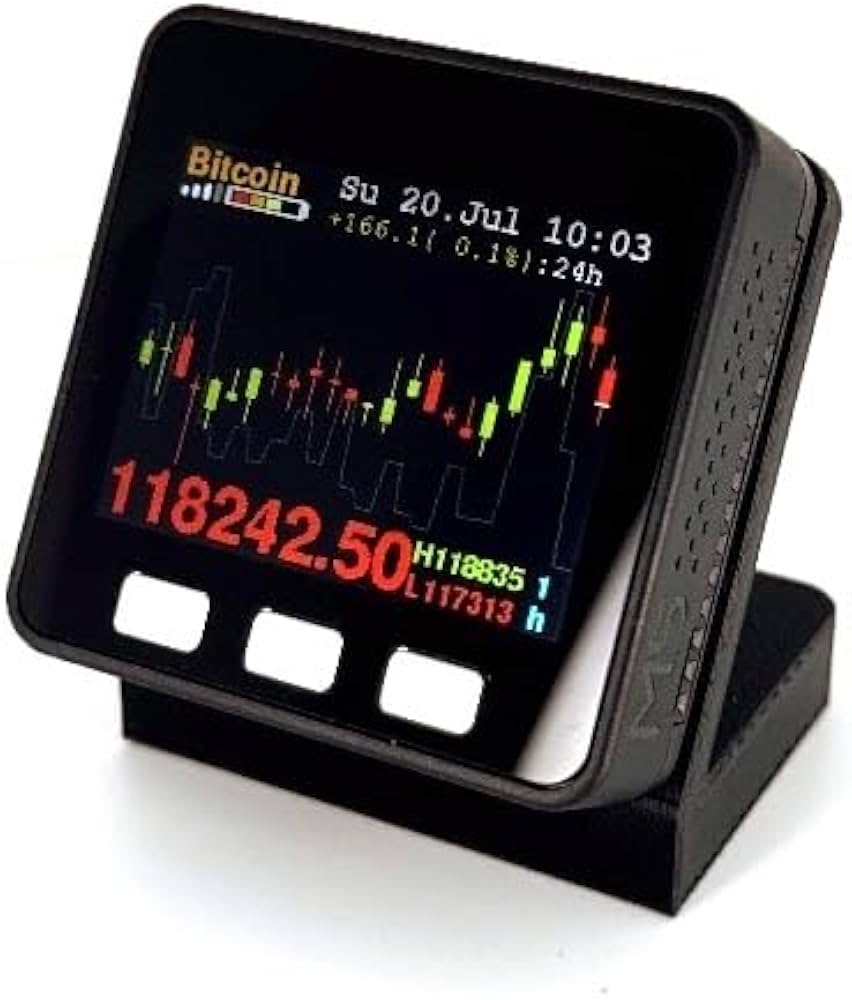

As an Amazon Associate, we may earn from qualifying purchases.
Market research
Research is the foundation of any buy crypto strategy. Without it, you are gambling. Focus on on-chain metrics and institutional activity.
Track the total value locked in decentralized finance protocols. Rising TVL often signals confidence in the ecosystem. Simultaneously, monitor exchange inflows and outflows. Large outflows to cold storage suggest long-term holding, while inflows may signal impending selling pressure.
Essential tools
Tools bridge the gap between research and execution. You need reliable data and secure storage.
Use a hardware wallet like Ledger or Trezor for your primary holdings. These devices keep your private keys offline, protecting them from online threats. For active trading, use a reputable exchange with high liquidity and low fees.
Charting tools are essential for timing entries. Platforms like TradingView provide technical indicators and drawing tools. Use these to identify support and resistance levels. Combine this with a trading journal to track your decisions and refine your strategy over time.
Buy crypto strategy choices that change the plan
Choosing a crypto entry method requires balancing cost, control, and regulatory friction. There is no single best approach; the right strategy depends on how much effort you want to put into security versus convenience.
Direct Exchange Purchase
Buying directly on a centralized exchange (CEX) like Coinbase or Binance gives you immediate ownership of the assets. You control your keys if you withdraw to a self-custody wallet, but you are responsible for security. Fees vary significantly by payment method; credit cards often carry 3-4% fees, while bank transfers are cheaper. This method offers the highest potential returns but carries the highest security risk if accounts are compromised.
Spot ETFs and ETPs
Regulated spot ETFs, such as those tracking Bitcoin, allow you to gain exposure through traditional brokerage accounts. The primary tradeoff is custodial risk: you do not hold the underlying crypto, so you cannot use it for DeFi or payments. However, this removes the burden of private key management and offers familiar regulatory protections. Expense ratios (typically 0.25%-0.65%) eat into returns over time, making this less ideal for long-term holding compared to direct ownership.
Dollar-Cost Averaging (DCA)
DCA is not a product but a timing strategy. By investing fixed amounts at regular intervals, you smooth out volatility. The tradeoff is opportunity cost: if the market trends sharply upward, your average entry price will be higher than buying a lump sum at the start. This method reduces emotional decision-making and is often the most practical approach for retail investors who cannot time the market.
| Method | Cost Structure | Asset Control | Primary Risk |
|---|---|---|---|
| Direct Exchange | 0.1% - 4% (payment dependent) | Full (if self-custodied) | Hacks, phishing, exchange insolvency |
| Spot ETF/ETP | 0.25% - 0.65% annual fee | None (custodied by fund) | Market tracking error, fund closure |
| DCA Strategy | Exchange fees only | Depends on holding method | Opportunity cost in bull markets |
The decision ultimately comes down to your comfort with custody. If you value simplicity and regulatory safety, ETFs are the lower-friction path. If you believe in the technology and want full sovereignty, direct purchase with self-custody is the standard, despite the added responsibility.
Build a buy crypto strategy that fits your timeline
Turning market research into a decision framework requires matching your risk tolerance to a specific entry method. There is no single best strategy for every investor; the right approach depends on how quickly you need liquidity and how much volatility you can withstand.
Start by defining your time horizon. Long-term holders benefit from dollar-cost averaging (DCA), which smooths out price swings by buying fixed amounts at regular intervals. Active traders might prefer technical analysis setups, looking for specific support levels or moving average crossovers to time entries. Both methods require infrastructure: a secure wallet and a reputable exchange with low fees.
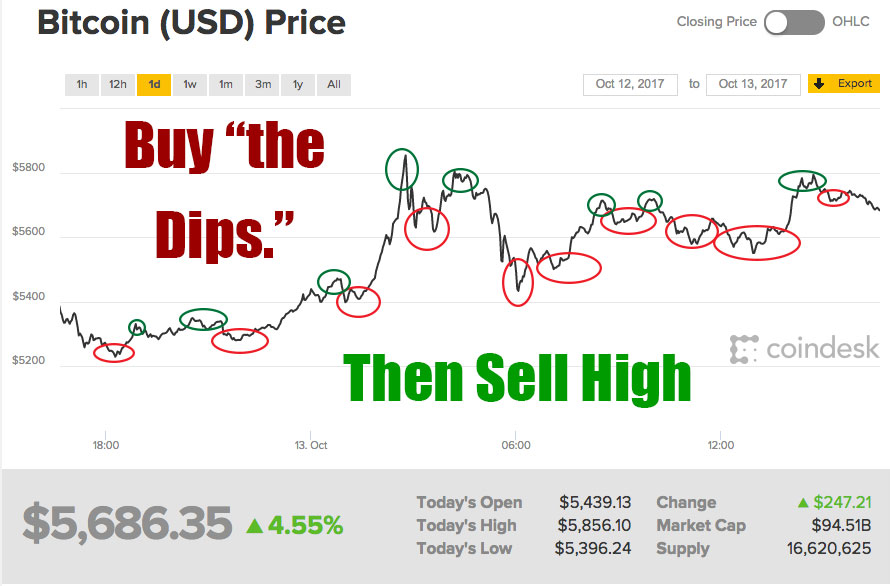
Use the TechnicalChart below to visualize Bitcoin’s recent price action. Identifying current trends helps you decide whether to enter now or wait for a correction. Combine this with a price widget to monitor real-time valuations before executing your first trade.
Determine if you are investing for the long term or trading short-term gains. Long-term investors should focus on accumulation phases, while short-term traders need to monitor daily volatility and news catalysts.

Choose between dollar-cost averaging (DCA) for steady exposure or lump-sum buying if you believe the market is at a local bottom. DCA reduces the risk of buying at a peak, while lump-sum can maximize returns in a strong bull market.
Before funding your account, ensure your exchange offers two-factor authentication (2FA) and cold storage options for large holdings. Check transaction fees and withdrawal limits to avoid unexpected costs during entry.
Identify Weak Options and Misleading Claims
The crypto market is saturated with strategies that look sophisticated on paper but fail under actual market conditions. Many "essential tools" and trading methods promise consistent returns while ignoring the structural risks of volatility, liquidity gaps, and platform counterparty risk. Before committing capital, you must distinguish between robust infrastructure and marketing-driven noise.
The "Set and Forget" Myth
Dollar-cost averaging (DCA) is often presented as a risk-free entry method. While it reduces timing risk, it does not protect against asset depreciation or platform failure. A common mistake is leaving funds on centralized exchanges without self-custody solutions. If you are not holding your private keys, you do not own the crypto; you own an IOU. This structural weakness is amplified during exchange insolvencies, where user funds are frozen or lost entirely.
Over-Reliance on Technical Indicators
Many retail traders rely heavily on technical analysis indicators like RSI or MACD to time entries. These lagging indicators often signal trends only after significant price movement has already occurred. Using them as primary entry signals without fundamental context or risk management protocols leads to whipsaw losses. In a high-stakes environment, waiting for confirmation often means missing the optimal entry window or buying at local tops.
High-Frequency and "Get Rich Quick" Schemes
Strategies promising daily profits, such as arbitrage bots or high-leverage futures trading, carry extreme risk. Making $100 a day consistently is statistically improbable for retail investors and often involves unsustainable leverage. These approaches ignore transaction fees, slippage, and the psychological toll of constant monitoring. They are not investment strategies but speculative gambles that drain capital over time.
Verification Checklist
Before adopting any strategy, verify the following:
- Custody: Do you control the private keys? If not, assess the platform's proof of reserves and audit history.
- Track Record: Is the strategy's backtesting data verified by a third party, or is it cherry-picked?
- Risk Parameters: Are stop-losses and position sizes defined mathematically, or are they emotional reactions?
Avoid tools that require excessive personal data or charge hidden management fees. Stick to transparent, open-source, or widely audited infrastructure. The goal is not to find the "most profitable" strategy, but the one that survives market cycles without exposing you to undue risk.
Buy crypto strategy: what to check next
Investing in digital assets requires a clear plan that matches your risk tolerance and timeline. Below are answers to the most common questions about entering the market, from long-term holding to short-term trading tactics.
Remember that crypto markets are highly volatile. Always do your own research and consider consulting a financial advisor before making significant investments.
No comments yet. Be the first to share your thoughts!