How to buy crypto
Buying cryptocurrency starts with choosing a platform. You will need an exchange or a payment app that supports your preferred currency. Popular exchanges include Coinbase, Binance, and Kraken. Common payment apps like PayPal and Venmo also offer direct crypto purchases. The main tradeoff is convenience versus cost. Payment apps are fast but often charge higher fees. Exchanges offer more control and lower fees but require a more involved setup.
Security is the primary concern for beginners. Select a platform that complies with U.S. regulations and prioritizes user safety. Look for features like two-factor authentication and insurance on deposits. Avoid platforms with vague security policies or poor customer support. A secure foundation prevents loss of funds and simplifies the buying process.


As an Amazon Associate, we may earn from qualifying purchases.
Start with a small amount to test the platform. Verify that you can withdraw funds to a secure wallet. This step confirms the platform’s reliability and your understanding of the process. Once comfortable, you can scale your holdings according to your strategy.
Buy crypto choices that change the plan
Choosing where to buy Bitcoin or altcoins involves balancing speed, cost, and security. No single platform excels in every category. Your decision depends on whether you prioritize low fees for frequent trading, ease of use for a first purchase, or custody controls for long-term holding.
Exchange fees and spreads
Trading fees directly impact your entry price. Spot exchanges typically charge 0.1% to 0.5% per transaction, while payment apps often embed hidden spreads of 3% to 5% into the exchange rate. For large purchases, a low-fee exchange saves significant capital. For small, infrequent buys, the convenience of a payment app may outweigh the higher cost.
Regulatory compliance and security
Regulated platforms in the U.S. must adhere to strict Know Your Customer (KYC) and Anti-Money Laundering (AML) rules. This compliance offers deposit insurance (up to $250,000 for USD balances in some cases) and legal recourse if the platform fails. Unregulated offshore exchanges may offer anonymity but carry higher risks of insolvency, frozen accounts, or total loss of funds.
Asset variety and liquidity
Liquidity determines how easily you can buy or sell without moving the market price. Major exchanges like Coinbase and Kraken list hundreds of assets with deep order books, ensuring tight bid-ask spreads. Niche platforms may list newer tokens but suffer from low volume, resulting in slippage where your actual purchase price differs significantly from the quoted price.
Custody and withdrawal limits
Keeping crypto on an exchange means you do not control the private keys. While convenient, this exposes your assets to exchange hacks. Many platforms impose daily withdrawal limits for unverified accounts. If you plan to move funds to a hardware wallet, verify the platform’s withdrawal fees and daily caps before committing.
| Platform Type | Cost | Security | Best For |
|---|---|---|---|
| Major Exchange (e.g., Coinbase, Kraken) | Low (0.1-0.6%) | High (Regulated, Insurance) | Active traders & long-term holders |
| Payment App (e.g., PayPal, Venmo) | High (3-5% spread) | Medium (Custodial) | Small, casual purchases |
| P2P Marketplace | Variable | Low (Counterparty risk) | Anonymity & fiat flexibility |
| Bitcoin ATM | Very High (10-20%) | Low (Physical risk) | Immediate cash-to-crypto |
Choose the Next Step: A Practical Decision Framework
Selecting a platform to buy cryptocurrency requires matching your specific needs to the right infrastructure. There is no single "best" exchange; the right choice depends on your trading frequency, security requirements, and comfort with technical tools. This framework breaks down the decision into three distinct paths based on user profile.
For those new to crypto, centralized exchanges (CEXs) like Coinbase or Kraken offer the most straightforward on-ramp. These platforms act as custodians, holding your assets and providing a familiar, regulated interface for buying Bitcoin (BTC), Ethereum (ETH), and other major tokens. The trade-off is convenience for control: you do not hold your private keys, meaning you rely on the platform’s security measures. Look for exchanges that are publicly traded or have clear regulatory compliance in your jurisdiction, as this adds a layer of financial transparency.
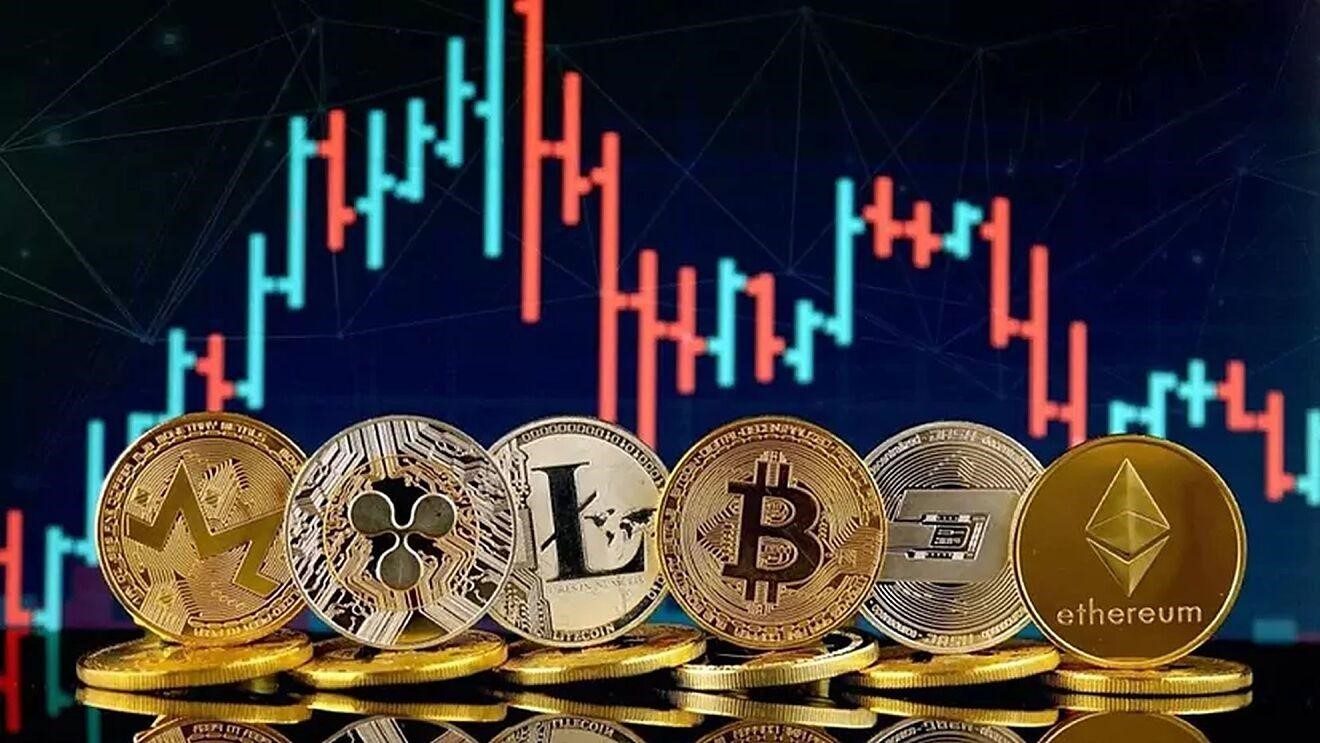
If you prioritize sovereignty over simplicity, self-custody wallets give you direct control over your private keys. This path involves buying crypto on an exchange and then withdrawing it to a hardware wallet like a Ledger or Trezor. While this eliminates counterparty risk (the risk of the exchange failing), it increases personal responsibility. If you lose your recovery phrase, your funds are gone forever. This route is best for long-term holders who do not need to trade frequently.
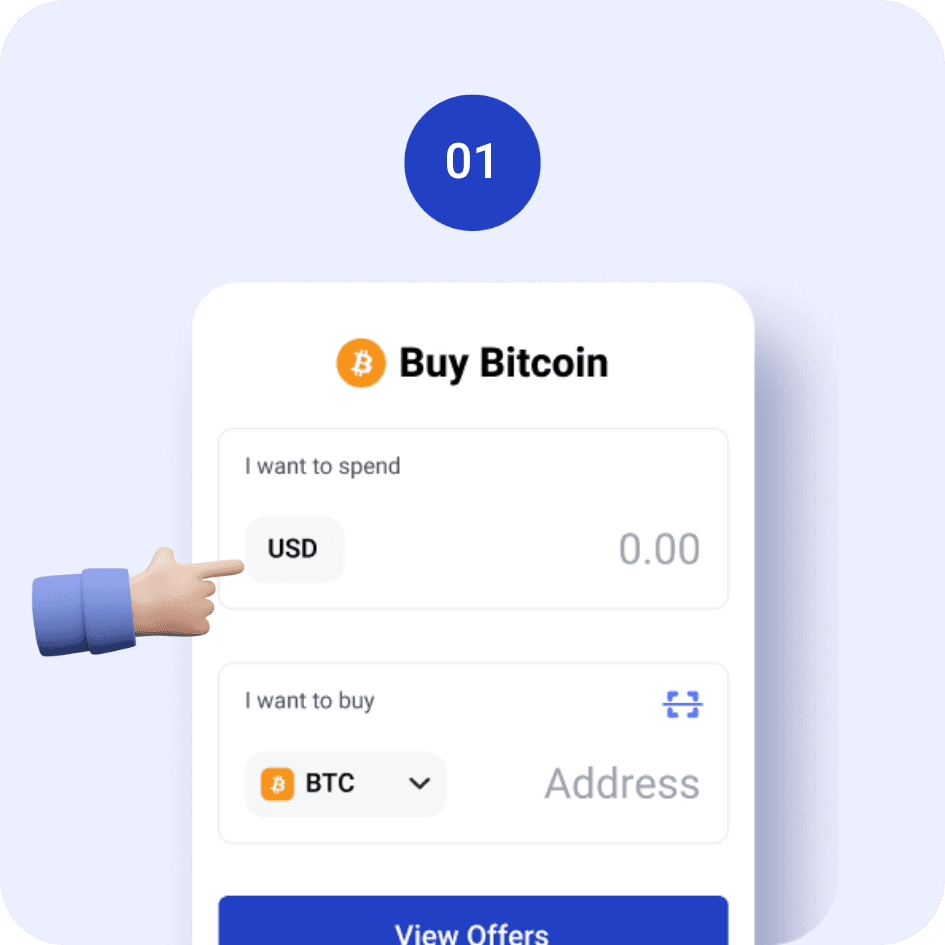
Active traders often require advanced charting, lower fees, and access to a wider range of altcoins. Decentralized exchanges (DEXs) or specialized platforms like Binance offer these features but come with steeper learning curves. You must manage gas fees, understand liquidity pools, and navigate more complex interfaces. This path is suitable for those who actively manage their portfolio and understand the technical risks of interacting with smart contracts.
| Control | Security | Complexity |
|---|---|---|
| Custodial (Exchange) | Platform-dependent | Low |
| Self-Custody (Wallet) | User-dependent | High |
| Active Trading (DEX) | User/Protocol-dependent | Very High |
Avoid weak options and misleading claims
Not all platforms offer the same level of protection or liquidity. Many services market themselves as "beginner-friendly" while hiding high fees, poor customer support, or inadequate security measures. In a post-halving environment where volatility can spike, relying on a weak infrastructure provider is a costly mistake.
The most common pitfall is choosing an exchange based solely on low advertised fees, ignoring withdrawal limits or hidden spread costs. Some platforms also lack proper regulatory compliance, leaving your assets exposed in jurisdictions with weak investor protections. Always verify that the exchange is registered with relevant financial authorities, such as the SEC or FinCEN, before depositing funds.
Another critical red flag is the absence of transparent proof of reserves. Legitimate exchanges publish regular audits to prove they hold user funds 1:1. If a platform cannot provide this data, or if it relies on vague third-party assurances, treat it as a warning sign. Stick to established providers like Coinbase, Binance, or Kraken, which have a track record of security and regulatory adherence.
Before committing capital, test the platform with a small amount. Check how quickly withdrawals process, how responsive customer support is, and whether the interface matches your trading needs. This practical test reveals more about a platform's reliability than any marketing claim ever could.
Buy crypto: what to check next
Before moving funds, it helps to clear up the practical friction points that slow down new investors. The process is straightforward once you understand the trade-offs between convenience and control.
No comments yet. Be the first to share your thoughts!