The 2026 Macro Landscape
The post-halving cycle has settled into a new rhythm where infrastructure dictates opportunity. In 2026, the market is less about speculative frenzy and more about the robustness of the underlying rails. Institutional capital is no longer testing the waters; it is flowing through regulated channels, demanding transparency and security that only mature infrastructure can provide.
This shift changes how you need to approach buying crypto. The tools that worked in previous cycles—anonymous wallets, unregulated exchanges—are becoming liabilities. Instead, the focus is on platforms that offer institutional-grade custody, clear regulatory compliance, and seamless integration with traditional finance. The barrier to entry is higher, but the safety net is too.
Visualizing the long-term trend helps ground this strategy. Rather than reacting to daily volatility, successful participants are tracking the broader structural moves that define this era.
Choosing the right exchange
Picking an exchange is less about finding the lowest fee and more about choosing a venue that won’t vanish overnight. In 2026, security protocols, deep liquidity, and regulatory compliance are the true metrics of trust. A platform might offer zero-fee trading, but if it lacks the infrastructure to process large orders without slippage or fails a security audit, the hidden costs are steep.
Think of an exchange as a digital bank branch. You wouldn’t store your life savings in a basement safe because it had no alarm system, even if the insurance premium was cheap. Similarly, you should prioritize exchanges that have undergone rigorous third-party audits and maintain transparent proof-of-reserves. The major players like Coinbase, Binance, and Kraken have established these standards through years of operation, though their fee structures and supported assets vary significantly.
The table below compares three leading venues on the infrastructure factors that matter most for long-term holding and active trading.
| Exchange | Security Focus | Liquidity Depth | Regulatory Status |
|---|---|---|---|
| Coinbase | High (Public Filings) | Very High | US Publicly Traded |
| Binance | High (SAFU Fund) | Highest (Global) | Varies by Region |
| Kraken | High (Audited) | High | US Compliant |
Liquidity is critical because it determines how easily you can enter or exit a position without moving the market price against yourself. High-volume exchanges ensure that your buy or sell orders are filled at the expected price, minimizing slippage. This is especially important if you are trading larger sums or volatile assets.
To understand the current market context for the most traded assets, here is a live price and performance snapshot for Bitcoin:
Secure storage infrastructure
Buying crypto is only half the battle; keeping it safe is the other. The most critical decision you face is choosing between hot wallets and cold storage. A hot wallet connects directly to the internet, making it convenient for daily trading but vulnerable to online attacks. Cold storage keeps your private keys offline, providing a secure vault for long-term holdings.
Think of your crypto portfolio like a home. A hot wallet is your wallet in your pocket—easy to access for coffee, but risky if you leave it on a table. Cold storage is the bank safe at home. For significant amounts, you want that extra layer of physical security. Hardware wallets, which are specialized USB devices, are the industry standard for cold storage. They sign transactions offline, ensuring your keys never touch a potentially compromised computer.
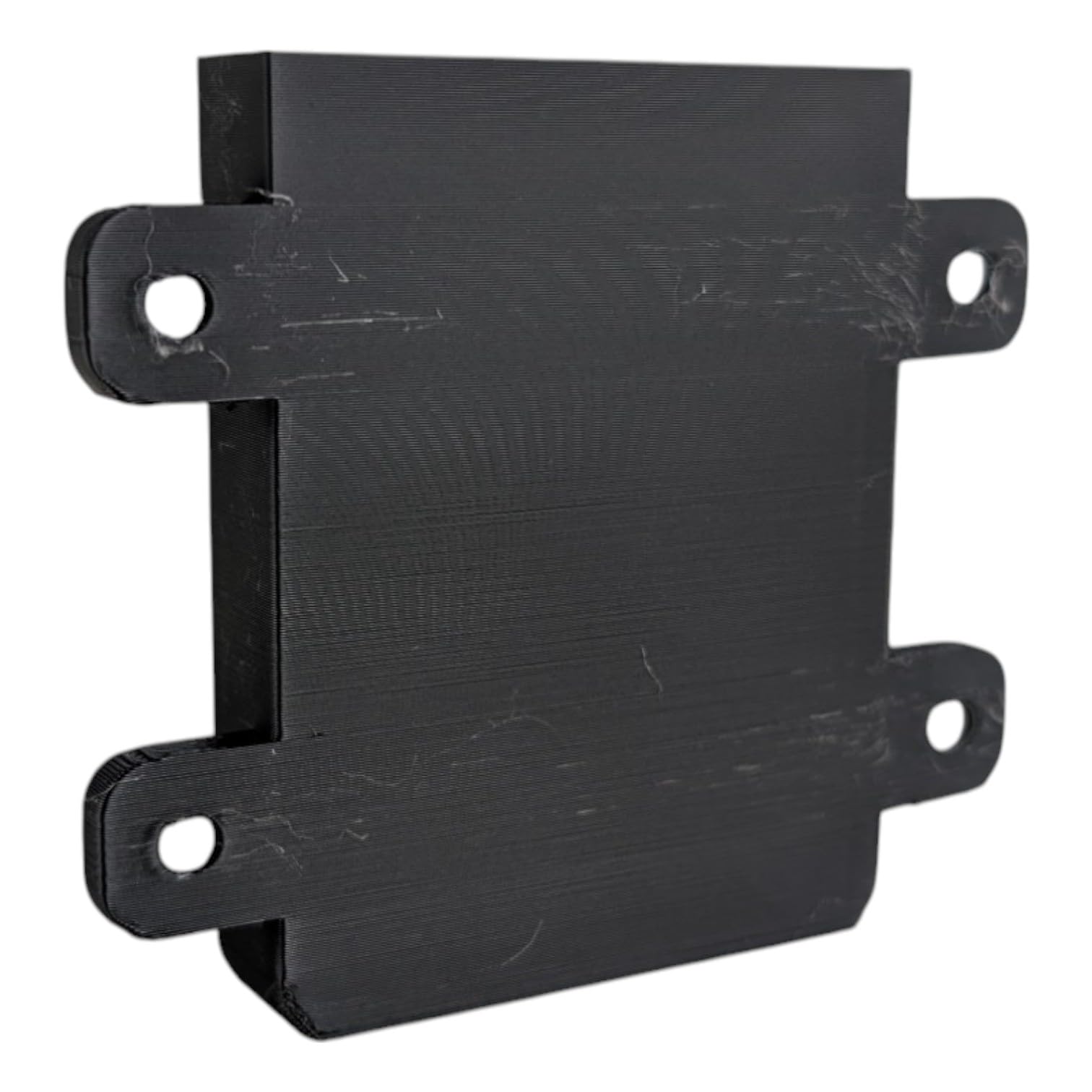
When selecting hardware, prioritize established brands with a track record of security audits. Look for devices that support your specific cryptocurrencies and offer clear recovery processes. Never share your seed phrase—the 12 or 24 words that restore your wallet—with anyone. If a website or support agent asks for it, it is a scam. Store your seed phrase on paper or metal, kept in a secure, fireproof location.


As an Amazon Associate, we may earn from qualifying purchases.
Avoid keeping large balances on exchange wallets. While convenient, you do not control the private keys. If the exchange faces insolvency or security breaches, your funds are at risk. Self-custody requires responsibility, but it is the only way to truly own your crypto. Always test your hardware wallet with a small amount first to ensure you understand the recovery process before transferring significant value.
Build a Risk-Managed Crypto Strategy
Buying Bitcoin or altcoins is easy; keeping the gains is hard. Volatility can wipe out unprepared portfolios in hours. A disciplined strategy separates long-term holders from gamblers. You need a framework for entry, size, and exit before you click "buy."
Before allocating capital, determine how much volatility you can stomach. Are you investing for a 5-year retirement fund or a 6-month swing trade? Your horizon dictates your asset selection. Conservative investors stick to Bitcoin and Ethereum. Aggressive traders might allocate to smaller caps. Never invest money you cannot afford to lose completely.
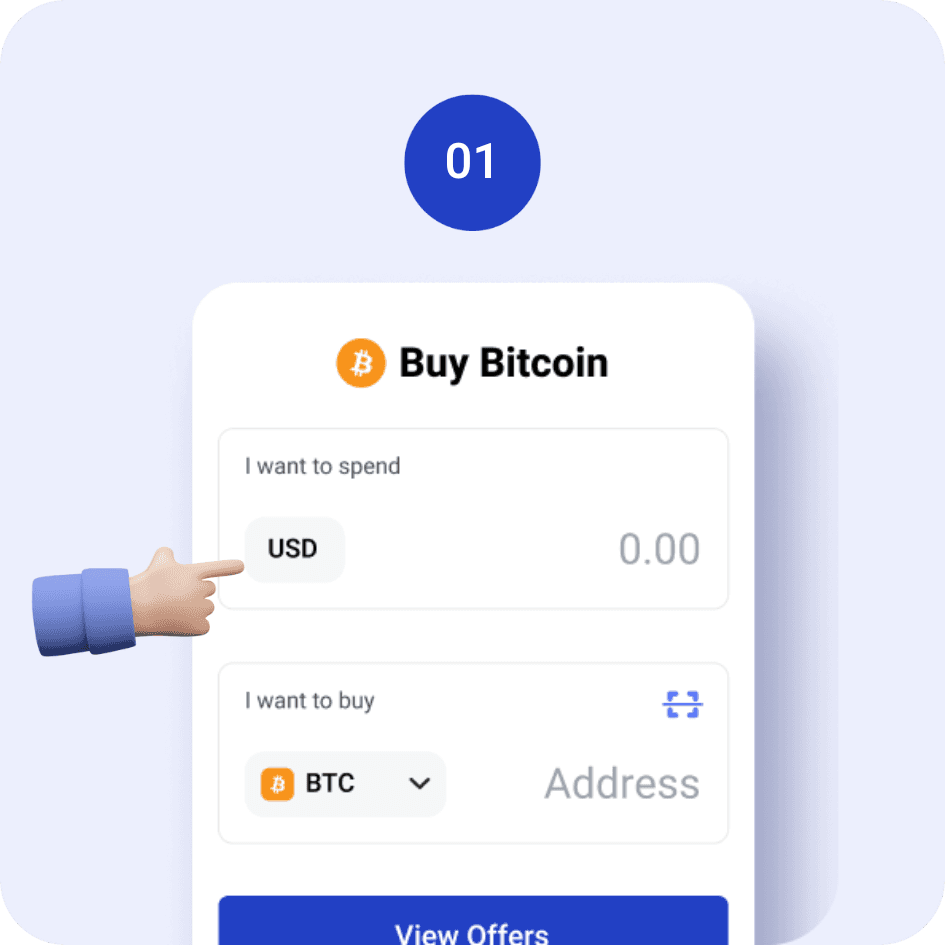
Market orders chase price and often result in poor fills. Use limit orders to buy at specific price targets. This discipline prevents emotional buying during green candles. You can set buy orders at key support levels identified through technical analysis. This approach gives you control over your average entry price and reduces slippage.
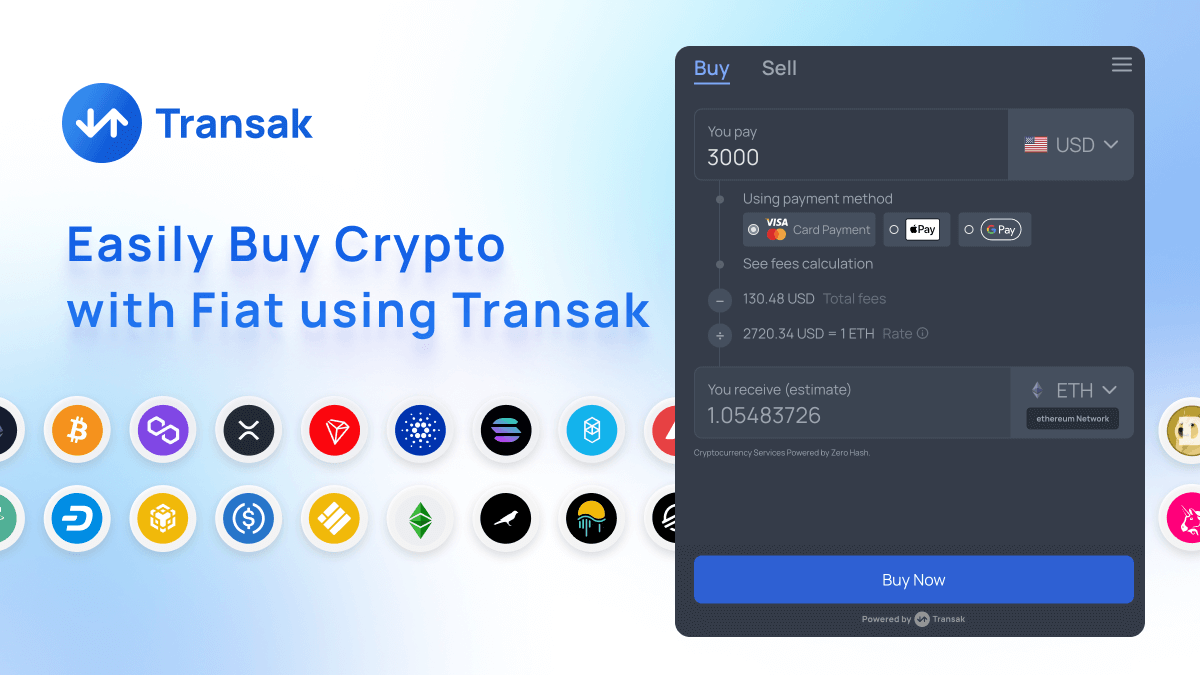
Never bet the farm on a single trade. A common rule is to risk only 1-2% of your total portfolio on any single position. If you have $10,000, your maximum loss on a trade should be $100-$200. This ensures that a string of losses doesn't destroy your capital. Use this rule to calculate your position size based on your stop-loss distance.
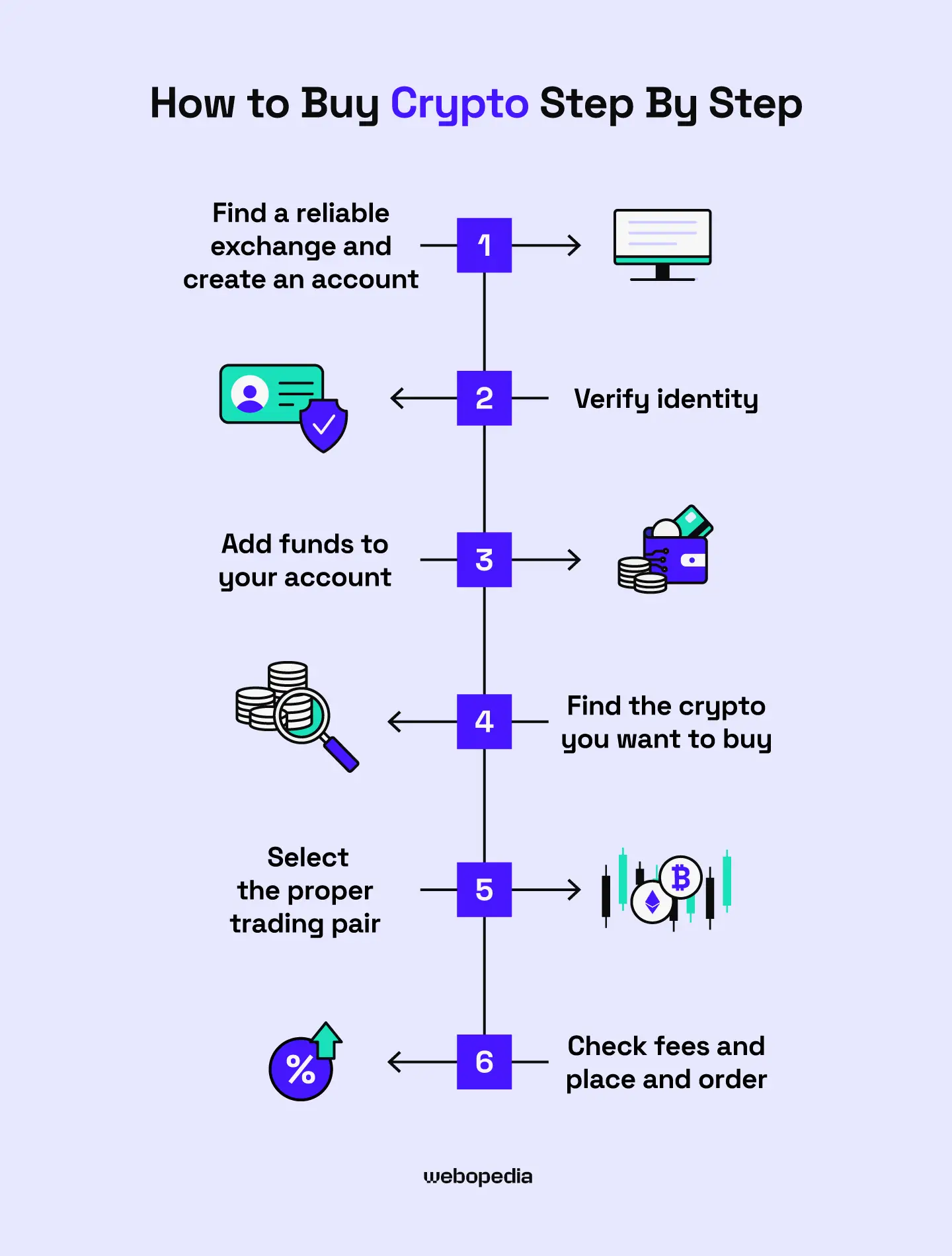
Ambiguity leads to regret. Decide your exit strategy while the trade is cold. Set a take-profit level where you sell a portion of your holdings. Use trailing stop-losses to lock in gains as the price rises. This removes emotion from the selling process. Without a plan, you will likely hold through a correction, hoping for a rebound that never comes.
A structured approach protects your capital during market downturns. It turns speculation into a repeatable process. Start with small positions and refine your rules as you gain experience.
Common Questions About Buying Crypto
Before you fund an exchange or configure a wallet, clarify how the asset fits into your broader financial structure. The infrastructure for buying crypto has matured, but it still requires specific knowledge regarding taxes, security, and asset selection.
How are crypto gains taxed?
In most jurisdictions, buying, holding, selling, or exchanging cryptocurrency is a taxable event. Capital gains taxes apply when you dispose of an asset for a profit. Unlike traditional stocks, the tracking requirements can be more complex, especially if you trade across multiple exchanges or use DeFi protocols. Consult a tax professional familiar with digital assets to ensure compliance with local regulations.
Is it safer to buy crypto on an exchange or a broker?
The answer depends on what you value more: control or convenience. Centralized exchanges (like Coinbase or Binance) offer deep liquidity and advanced trading tools, but you must manage your own security. Brokerages and ETFs (such as those available through Fidelity) offer a simpler, regulated entry point for investors who prefer not to handle private keys directly. As the FCA notes, understanding the risks is essential before jumping in.
Which crypto should I buy first?
For most investors, starting with Bitcoin (BTC) or Ethereum (ETH) provides the most liquidity and institutional support. These assets have the deepest market data and the most robust infrastructure. Altcoins offer higher potential returns but come with significantly higher volatility and risk. Use a technical chart to analyze price action and volume before making a decision.
No comments yet. Be the first to share your thoughts!