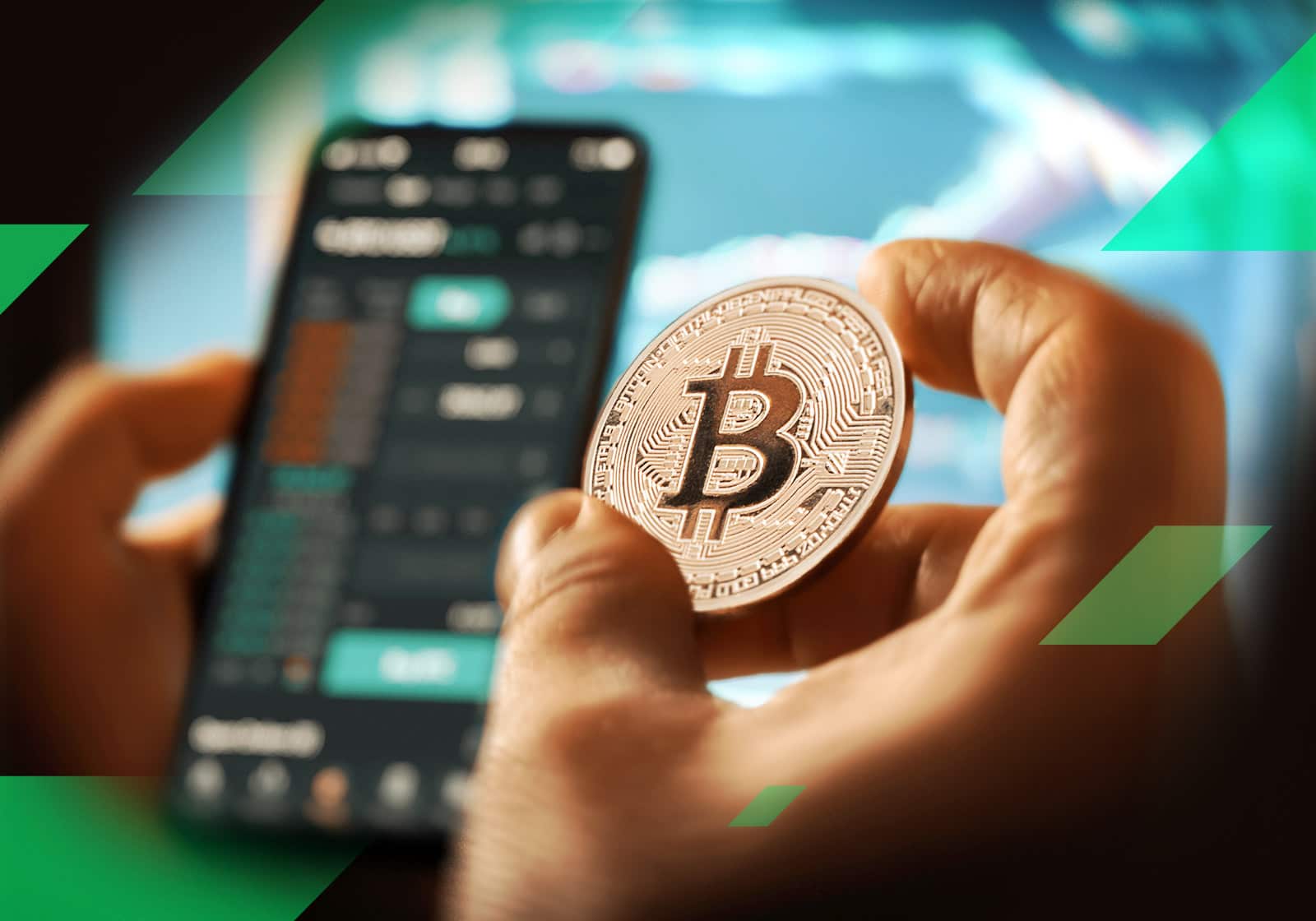
How to Buy Crypto Safely
The infrastructure for buying cryptocurrency has shifted since the spot Bitcoin ETF approvals. While traditional brokerage platforms now offer crypto ETFs and exchange-traded products (ETPs), buying digital assets outright still requires a dedicated approach. For most readers, the core question remains: which tools provide the best balance of security, fees, and ease of use for direct ownership?
The market is dominated by established exchanges like Coinbase, Binance, and Kraken, alongside payment apps that have added crypto features. Choosing the right platform depends on your primary goal. If you want to hold assets in your own wallet, you need an exchange with strong custody solutions. If you are looking for exposure without managing keys, an ETF through a standard brokerage might suffice. However, this guide focuses on the direct purchase experience, where the choice of software and hardware matters most.
To execute these trades securely, you need the right digital and physical infrastructure. Below are essential tools for managing and securing your crypto purchases.


As an Amazon Associate, we may earn from qualifying purchases.
Evaluate the tradeoffs before you buy crypto
Choosing how to buy cryptocurrency involves balancing convenience, cost, and control. The method you select determines how much you pay in fees, how quickly you access your assets, and who holds the keys. In the post-ETF era, the landscape has shifted from purely decentralized exchanges to regulated brokerage platforms, creating distinct paths for different types of investors.
Direct Ownership vs. Regulated Products
Buying crypto outright on an exchange gives you full custody of your assets, meaning you control the private keys and can move funds anywhere. This approach offers maximum flexibility but requires you to manage security responsibilities. Alternatively, buying crypto ETFs or ETPs through a traditional brokerage like Fidelity or Schwab allows you to gain exposure to price movements without holding the underlying tokens. This method integrates easily with existing tax reporting and retirement accounts but removes your ability to use the crypto for decentralized applications or transfers.
Exchange Fees and Liquidity
Trading fees vary significantly between platforms. Centralized exchanges like Coinbase, Binance, and Kraken charge transaction fees that can range from 0.1% to 3% depending on your trading volume and payment method. Bank transfers often incur lower fees than credit card purchases, which are treated as cash advances by many issuers. High-frequency traders benefit from maker-taker fee structures, while casual buyers should look for platforms with flat-fee options or tiered discounts. Liquidity also matters; deeper order books mean better price execution and less slippage during volatile market moves.
Security and Custody Risks
The tradeoff between ease of use and security is fundamental. Custodial exchanges hold your assets on your behalf, offering password recovery and insurance against hacks, but introducing counterparty risk if the platform fails. Non-custodial wallets give you full control but mean you are solely responsible for backup phrases and security. For most investors, a hybrid approach works best: keeping long-term holdings in cold storage and trading funds on regulated platforms with strong compliance records.
| Method | Control | Typical Fees | Best For |
|---|---|---|---|
| Direct Exchange | Full | 0.1%-3% | Active traders |
| Crypto ETFs | None | 0.03%-0.65% | Long-term holders |
| Brokerage Stocks | None | $0-10 | Retirement accounts |
| DeFi Protocols | Full | Variable | Advanced users |
Choose the next step
Buying cryptocurrency is no longer a single action; it’s a choice of infrastructure. The post-ETF landscape has split the market into two distinct paths: direct ownership on a dedicated exchange or indirect exposure through traditional brokerage accounts. Your decision depends on whether you need to move the asset or simply track its price.
1. Decide on Direct Exchange Access
If your goal is to actually hold and use the crypto—whether for staking, transferring to a wallet, or trading altcoins—you need a dedicated exchange. Platforms like Coinbase, Binance, and Kraken offer the deepest liquidity and the widest selection of assets. This route requires more setup, including identity verification and security hardening, but it grants full custody of your tokens. Choose this if you want to be your own bank.
2. Evaluate Brokerage Integration
For investors who prefer keeping their assets within a familiar financial ecosystem, traditional brokers now offer direct crypto trading. Fidelity and Charles Schwab allow you to buy Bitcoin and Ethereum alongside stocks and bonds. This method is simpler and often more tax-efficient for long-term holding, but you cannot withdraw the crypto to an external wallet. It is ideal for passive accumulation and retirement accounts (IRAs).
3. Consider Indirect Exposure via ETFs
If you want zero technical friction, spot crypto ETFs provide regulated exposure to Bitcoin and Ethereum without handling private keys. These trade like stocks on major exchanges. While you don’t own the underlying asset, you benefit from institutional security and simplified tax reporting. This is the most accessible entry point for traditional investors who want market exposure without the operational overhead of an exchange.
4. Verify Security and Fees
Before funding any account, compare fee structures and security protocols. Exchanges often have higher trading fees but lower withdrawal costs. Brokerages may charge wider spreads but offer stronger insurance on cash balances. Always enable two-factor authentication (2FA) using an authenticator app, not SMS, and consider a hardware wallet if you are holding significant value on an exchange.
-
Enable 2FA on all accounts
-
Compare trading fees vs. withdrawal costs
-
Verify platform insurance coverage
-
Start with a small test transaction
Avoid the weak options
The easiest mistake with Buy Crypto is letting one attractive listing reset your standards. Compare total cost, seller history, return policy, condition, availability, and long-term upkeep before treating a discount as a win. Do not move forward when the seller is vague about what is included, how delivery works, or what happens if the item arrives in worse condition than promised. Those gaps are usually where the real cost appears.
The simplest way to use this section is to verify the seller, compare the total cost, and resolve the biggest risk before you commit.
Buy crypto: what to check next
Buying cryptocurrency involves navigating a mix of traditional finance tools and specialized digital platforms. The process has evolved significantly since the approval of spot Bitcoin ETFs, creating new pathways for both direct ownership and indirect exposure through regulated brokerage accounts.
How do I choose between a centralized exchange and a self-custody wallet?
Centralized exchanges like Coinbase or Kraken act as intermediaries, holding your private keys and facilitating fiat on-ramps. They offer convenience and customer support but introduce counterparty risk. Self-custody wallets, such as hardware devices from Tangem or Ledger, give you full control over your assets. This approach eliminates platform risk but requires you to manage seed phrases securely. For most beginners, starting with a reputable exchange is practical, while long-term holders often migrate to cold storage for assets they do not need to trade frequently.
What is the difference between buying Bitcoin outright and buying a Bitcoin ETF?
Buying Bitcoin outright means acquiring the actual digital asset on a blockchain. You control the private keys and can transfer the coins to any wallet. Buying a Bitcoin ETF, such as those available on Fidelity or Schwab, means purchasing a share of a fund that holds Bitcoin. You gain price exposure without managing cryptographic keys or navigating complex wallet interfaces. ETFs are easier to integrate into traditional retirement accounts and tax reporting, but you do not own the underlying coin and typically cannot use it for on-chain transactions.
Is it safe to buy crypto on a standard brokerage account?
Regulated brokers like Charles Schwab and Fidelity have added crypto trading to their platforms, subjecting these assets to stricter compliance and security standards than many standalone crypto exchanges. This integration reduces the risk of platform insolvency but limits your ability to withdraw assets to external wallets. While safer for casual exposure, it does not eliminate market volatility or the inherent risks of digital assets. Always verify that your broker is fully registered with relevant financial authorities before depositing funds.
How much should I invest when starting out?
Financial experts generally advise treating cryptocurrency as a high-risk portion of a diversified portfolio. A common starting point is allocating 1-5% of your total investable assets to digital currencies. Start small to understand market mechanics, fees, and volatility without risking significant capital. Avoid leveraging your positions or investing money you cannot afford to lose. The goal is to gain experience and exposure while maintaining financial stability regardless of market swings.
No comments yet. Be the first to share your thoughts!