Where to buy crypto safely
Buying cryptocurrency requires using a regulated exchange or payment app. These platforms act as the bridge between your bank account and the blockchain. In 2026, the market has consolidated around a few major players that prioritize security and regulatory compliance. Choosing the right infrastructure is the first step in protecting your assets.
Popular exchange options include Coinbase, Binance, and Kraken. Each platform offers different features, fee structures, and levels of regulatory oversight. For most beginners, starting with a well-known exchange like Coinbase or Kraken provides a straightforward interface and stronger consumer protections. These platforms allow you to link your bank account or debit card to purchase digital currency directly.
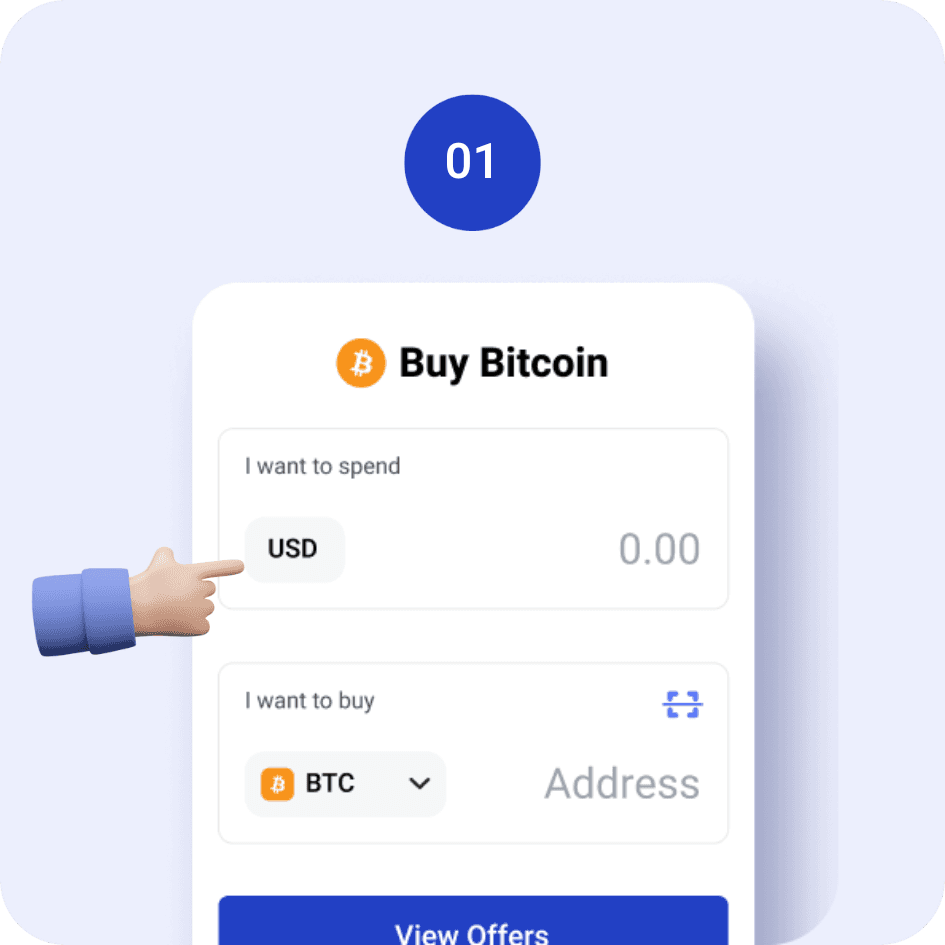
Once you have purchased crypto, security becomes the next priority. You should move your assets off the exchange and into a self-custody wallet. Hardware wallets provide the highest level of security by keeping your private keys offline. Below are some of the most trusted hardware wallets for secure storage after purchase.


As an Amazon Associate, we may earn from qualifying purchases.
Regardless of where you buy, always enable two-factor authentication (2FA) and use strong, unique passwords. Avoid storing large amounts of crypto on exchanges, as they are frequent targets for hackers. By using a reputable exchange for purchase and a hardware wallet for storage, you significantly reduce your risk of loss.
Current market trends and tools
The 2026 crypto landscape is defined by institutional integration. Spot Bitcoin and Ethereum ETFs have moved from experimental products to core portfolio components, bridging the gap between traditional finance and digital assets. This shift has stabilized price discovery mechanisms and increased liquidity, making the market less prone to the extreme fragmentation seen in earlier cycles.
Tracking this environment requires more than just watching price tickers. You need to understand the flow of capital into these regulated vehicles. ETF inflows and outflows now serve as a leading indicator for broader market sentiment, often preceding major price movements by days or weeks. Monitoring these flows provides a clearer picture of institutional conviction than retail social media chatter ever could.
For real-time data, live price widgets offer a quick snapshot of asset valuation, but they lack context. A technical chart is essential for seeing the bigger picture. It reveals volatility patterns, support levels, and the correlation between ETF activity and spot price action. This visual context helps you distinguish between noise and genuine trend shifts.
Comparing exchange fees and limits
When buying crypto, fees are the silent tax on your portfolio. A 1% spread on a $10,000 trade costs $100—money that could have compounded. In 2026, the landscape is split between low-fee centralized exchanges and higher-cost but regulated brokerages. Understanding the difference between maker/taker fees, withdrawal costs, and minimum limits is essential for keeping more of your returns.
The table below compares the standard fee structures and deposit limits for three major platforms. Note that fees often drop significantly if you hold the platform’s native token or trade high volumes. Always check the official fee schedule before depositing, as promotional rates may expire.
| Platform | Maker Fee | Taker Fee | Min. Deposit | Limit Type |
|---|---|---|---|---|
| Binance | 0.10% | 0.10% | $10 | Volume-based |
| Coinbase | 0.40% | 0.60% | $1 | Standard |
| Kraken | 0.16% | 0.26% | $10 | Tiered |
Withdrawal fees vary widely by asset and network congestion. For example, Bitcoin network fees can spike during high traffic, while Ethereum gas fees fluctuate based on block space demand. Some platforms offer "zero-fee" withdrawals for stablecoins on specific networks, but these may come with wider spreads on the buy side. Always factor in the total cost of entry and exit, not just the trading fee.
Building a Secure Crypto Strategy
Buying crypto is straightforward; keeping it safe is where most people fail. In 2026, the infrastructure for storing digital assets has matured, but the threat landscape has evolved alongside it. A secure strategy isn't just about picking the right coins—it's about building a defense system that survives exchange collapses, hacks, and your own mistakes.
Think of your crypto portfolio like a physical safe. You wouldn't leave your cash in a shoebox under the bed, and you shouldn't leave your Bitcoin on a random exchange. The goal is to move from "trading" to "holding" with the same discipline you'd apply to a retirement account, but with stricter security protocols.
1. Define Your Allocation and Goals
Before you buy, decide how much of your net worth you're willing to expose to this volatility. For most investors, crypto should be a small, high-risk portion of a diversified portfolio. Set a hard limit—perhaps 1-5%—and stick to it. This prevents emotional selling during downturns and stops you from over-leveraging during euphoric rallies.
2. Choose the Right Exchange
Not all exchanges are created equal. For buying and holding, prioritize platforms with a long track record, strong regulatory compliance, and proof of reserves. In 2026, regulatory clarity has improved, but you still need to verify that your funds are actually there. Avoid obscure platforms offering unrealistic yields; these are often red flags for insolvency.
3. Move to Self-Custody
"Not your keys, not your crypto" remains the golden rule. Once you've bought your assets, transfer them to a self-custody wallet. For significant amounts, a hardware wallet (cold storage) is essential. These devices keep your private keys offline, making them immune to remote hacks. Software wallets are fine for small, daily-use amounts, but they are connected to the internet and thus more vulnerable.
4. Secure Your Recovery
Your private keys or seed phrase are the only way to access your funds. If you lose them, your money is gone forever. Write your seed phrase down on paper or metal and store it in a secure, fireproof location. Never store it digitally—in cloud notes, screenshots, or text files. Enable multi-factor authentication (MFA) on all exchange accounts using an authenticator app, not SMS.
5. Monitor and Rebalance
A set-and-forget strategy works for broad market exposure, but you should still check in periodically. Rebalance your portfolio if your allocation drifts too far from your original plan. This forces you to sell high and buy low, a discipline that counters human nature. Keep an eye on regulatory changes that might affect your chosen assets or storage methods.
6. Stay Vigilant Against Scams
Security is ongoing. Be wary of phishing emails, fake support accounts, and "airdrop" scams. Never share your seed phrase with anyone, including supposed customer support. Legitimate services will never ask for it. Treat your crypto holdings like cash: assume anyone contacting you is trying to steal it until proven otherwise.
Essential tools for tracking assets
Buying crypto is only half the battle; keeping it safe and visible requires the right infrastructure. Without a clear view of your holdings and a secure storage method, even the best entry strategy can lead to losses through theft or market blind spots. The 2026 landscape demands a split approach: software for real-time monitoring and hardware for cold storage.
For tracking, dedicated portfolio trackers like CoinMarketCap or CoinGecko provide aggregated views of your assets across multiple exchanges. These tools sync with your wallets via API keys, giving you a single dashboard for performance analysis. Pair this with a technical chart widget to monitor price action on your primary holdings.
Security, however, lives offline. Hardware wallets such as Ledger or Trezor store your private keys on a physical device, isolating them from internet-based threats. For those prioritizing simplicity, card-style wallets like Tangem offer a contactless alternative that mimics the ease of using a credit card while maintaining cold storage security. Always enable two-factor authentication (2FA) on any exchange account you use for active trading.
No comments yet. Be the first to share your thoughts!