The Market Has Settled
The crypto market in 2026 looks fundamentally different than it did a few years ago. With major spot ETFs now fully integrated into traditional brokerage accounts, the wild volatility that once defined daily headlines has smoothed out. Institutional capital is no longer just watching from the sidelines; it is flowing steadily through regulated channels, bringing a level of stability that makes buying crypto a more predictable exercise for beginners.
This shift doesn't mean the asset class is risk-free, but it does mean the barriers to entry have lowered while the infrastructure has hardened. You are no longer navigating a frontier of unregulated exchanges and complex wallet setups. Instead, you have access to familiar financial tools that offer transparency and security, making the initial steps of buying crypto less about technical survival and more about strategic allocation.
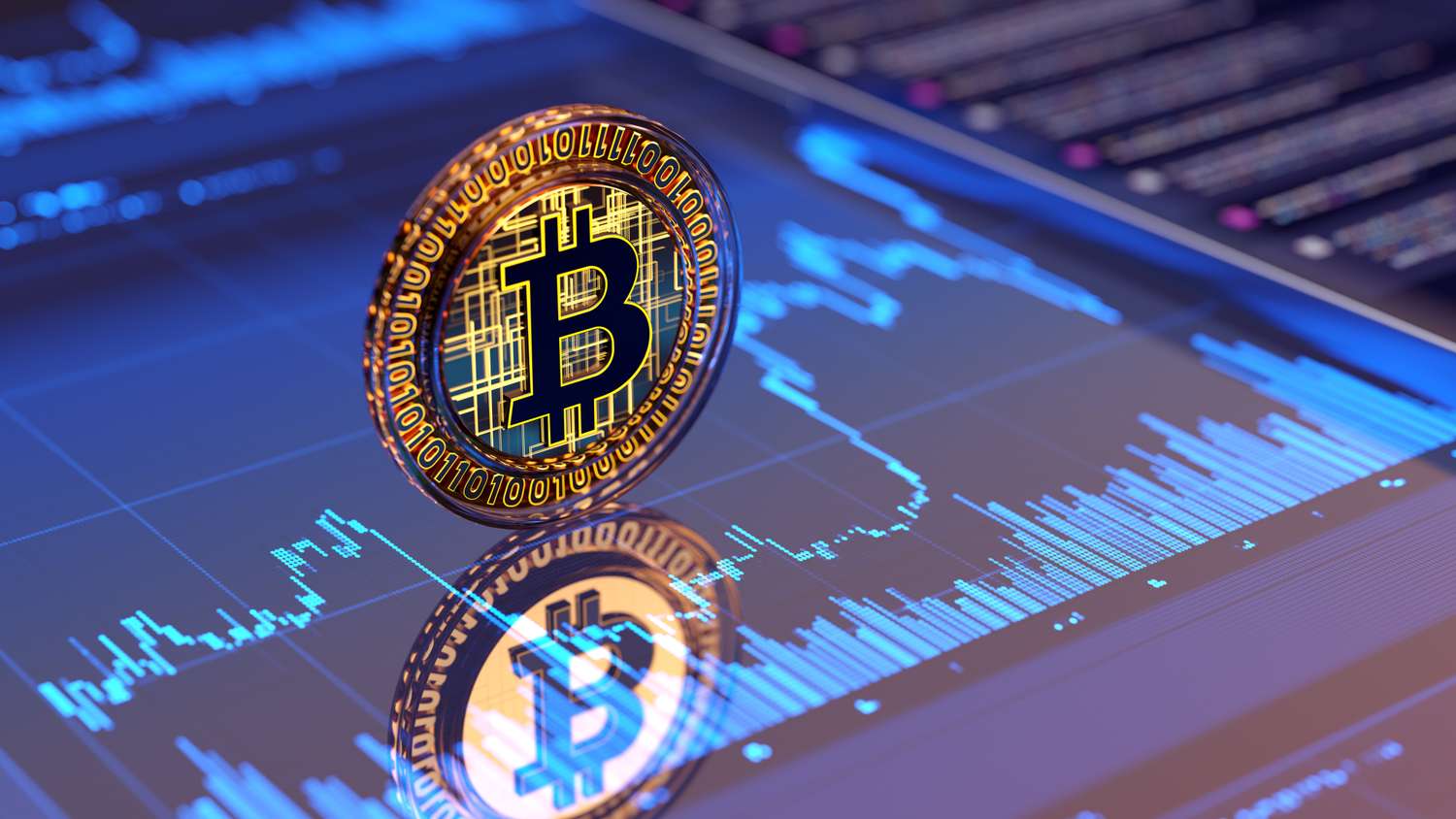
To understand where the market stands, it helps to look at the broader trend rather than daily price swings. The following chart shows Bitcoin's recent performance, highlighting the consolidation phases that have characterized this mature market cycle.
Choosing the right exchange
Selecting an exchange is the first real hurdle in buying crypto. The platform you choose acts as your gateway, handling everything from security to fees. In 2026, the landscape is defined by strict regulatory adherence and user-friendly interfaces. A good exchange balances low costs with robust security measures, ensuring your assets remain safe.
When evaluating platforms, look for those with clear regulatory compliance. Exchanges operating in the US or EU must adhere to specific guidelines, which often translates to better customer support and insurance options. For beginners, simplicity is key. Platforms like Coinbase or Kraken offer intuitive interfaces that make buying and selling straightforward without overwhelming you with complex trading tools.
Key factors to compare
Not all exchanges are created equal. Fees, supported assets, and security features vary significantly. Use the table below to compare top options based on common criteria for 2026.
| Exchange | Trading Fees | Security Features | Supported Assets |
|---|---|---|---|
| Coinbase | 0.4% - 4% | FDIC Insurance, Cold Storage | 150+ |
| Kraken | 0.16% - 0.26% | Proof of Reserves, Cold Storage | 200+ |
| Binance | 0.1% | SAFU Fund, 2FA | 600+ |
| Kraken Pro | 0.16% - 0.26% | Proof of Reserves, Cold Storage | 200+ |
Security and compliance
Prioritize exchanges that offer two-factor authentication (2FA) and cold storage for the majority of user funds. Cold storage keeps assets offline, making them inaccessible to hackers. Additionally, check if the exchange has undergone a proof of reserves audit. This transparency ensures the platform holds enough assets to cover user deposits.
Regulatory compliance is another critical factor. Exchanges that are registered with financial authorities, such as the SEC in the US or FCA in the UK, are subject to regular audits. This oversight provides an extra layer of protection for your investment. Always verify the exchange's regulatory status before depositing funds.
User experience
A clean, intuitive interface is essential for beginners. Look for platforms that offer clear instructions for buying, selling, and transferring crypto. Mobile apps should be easy to navigate, with quick access to your portfolio and transaction history. Some exchanges also offer educational resources, which can be helpful for learning the basics.
Customer support is equally important. Choose an exchange with responsive support channels, such as live chat or email. In case of issues, having access to timely assistance can save you from significant stress and potential financial loss. Read user reviews to gauge the quality of support before making your choice.
Secure storage solutions
When you leave your crypto on an exchange, you don’t truly own it—you’re holding an IOU. If the platform fails or gets hacked, your assets can vanish. Self-custody means you hold the private keys, giving you full control over your holdings. It’s the difference between keeping money in a bank vault and keeping it in a fireproof safe at home.
The most reliable way to practice self-custody is with a hardware wallet. These are physical devices that store your private keys offline, making them immune to remote hacking attempts. For beginners, we recommend starting with a reputable brand like Ledger or Trezor, which offer robust security features and user-friendly interfaces. Always buy directly from the manufacturer to avoid tampered devices.
Finding the right hardware wallet often leads readers to online marketplaces. Below are some of the most popular and trusted options available, selected for their security reputation and ease of use.



As an Amazon Associate, we may earn from qualifying purchases.
Regardless of the device you choose, security depends on how you handle your recovery phrase. This 12 or 24-word string is the only way to restore your funds if you lose your device. Write it down on paper, never store it digitally, and keep it in a secure location like a safe or safety deposit box. Never share this phrase with anyone, including support staff who may claim to help you recover your account.
Building a balanced strategy
Buying crypto is only half the battle; keeping it and managing risk is where most beginners stumble. In 2026, the market has matured beyond pure speculation, requiring a more disciplined approach to asset allocation. A balanced strategy doesn't mean chasing every new token; it means building a portfolio that can withstand volatility while capturing long-term growth.
Start with the bedrock. For most investors, Bitcoin and Ethereum should form the core of any crypto holding. These assets have established infrastructure and regulatory clarity that newer projects lack. Use a live price widget to monitor their current value, but resist the urge to trade based on short-term noise.
Diversification matters, but keep it simple. Instead of spreading capital across dozens of assets, consider a three-part structure: 50-70% in established layer-1s like BTC and ETH, 20-30% in mid-cap infrastructure plays, and 10-20% in higher-risk experimental projects. This ensures that even if a small bet fails, it doesn't derail your entire financial plan.
Risk management is non-negotiable. Never invest money you can't afford to lose, and consider using dollar-cost averaging (DCA) to buy in at regular intervals. This smooths out the entry price and removes the emotional stress of trying to time the market. Remember, the goal is long-term wealth preservation, not getting rich quick.
Essential tools for research
You don’t need to stare at screens all day to make smart moves. The right tools handle the heavy lifting, giving you a clear view of market trends, your portfolio’s health, and regulatory shifts. Think of these as your command center: they aggregate data so you can focus on strategy, not data entry.
Start with a reliable portfolio tracker. Tools like CoinMarketCap or CoinGecko aggregate prices from dozens of exchanges, giving you a single source of truth for your holdings. They also provide basic charts and news feeds, helping you spot sudden price swings before they impact your balance.
For deeper market analysis, you need provider-backed charts. Static images are often outdated; live charts show real-time volume and momentum. Use a TechnicalChart to visualize trends for major assets like Bitcoin, ensuring your decisions are based on current market conditions rather than yesterday’s headlines.
Finally, stay informed through official sources. Regulatory changes can drastically affect asset prices. Bookmark primary sources like the SEC’s announcements or major exchange blogs. Avoid speculative forums for critical news; stick to where the rules are written, not where they are debated.
No comments yet. Be the first to share your thoughts!