The 2026 Market Context
The crypto landscape in 2026 has shifted from speculative frenzy to structured institutional adoption. With spot Bitcoin and Ethereum ETFs now fully integrated into traditional brokerage accounts, the barrier to entry has lowered while the regulatory framework has hardened. This isn't just about retail traders buying on exchanges; it's about pension funds, wealth managers, and corporate treasuries allocating digital assets as a standard part of their portfolios.
This transition marks a fundamental change in how crypto is perceived. It is no longer a fringe experiment but a recognized asset class with established market makers, custodians, and compliance protocols. The volatility remains, but the underlying infrastructure is more robust, mirroring the maturity seen in traditional equity markets. Investors are moving away from chasing meme coins toward understanding the long-term utility and scarcity models of established networks.
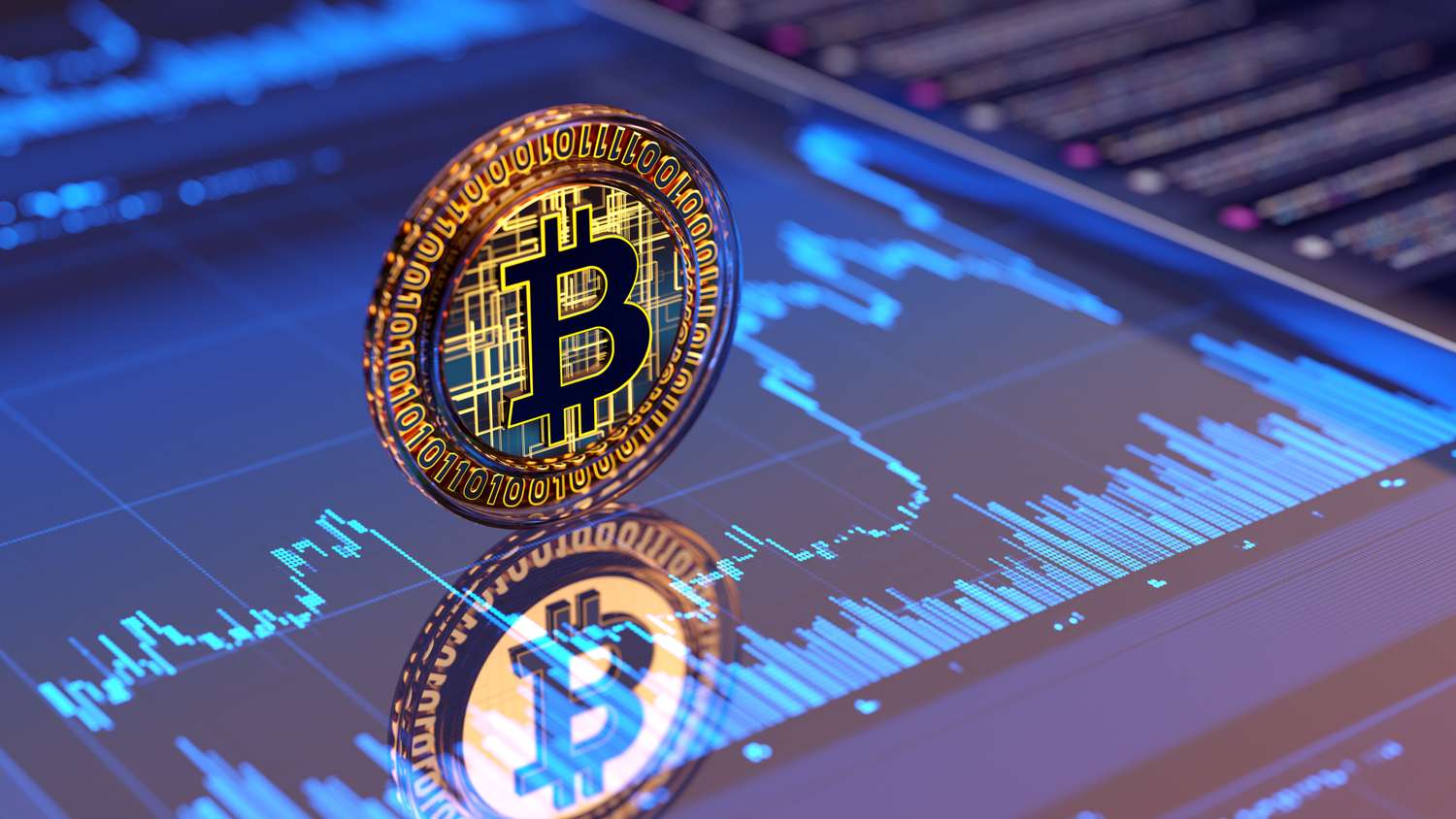
To understand where the market stands, it helps to look at the long-term price action of Bitcoin. The chart below illustrates the broader trend lines that institutional investors are monitoring, providing context for the current market cycle.
The focus has also expanded beyond just buying and holding. The ecosystem now supports complex financial products, from staking yields to decentralized finance (DeFi) integrations. For beginners, this means more options for diversification, but it also requires a deeper understanding of risk management. The goal in 2026 is not just participation, but informed, strategic allocation within a broader financial plan.
Choosing the right platform
Selecting where to buy crypto is the first real decision you’ll make. The landscape splits into two distinct camps: centralized exchanges (CEXs) and traditional brokerages. Your choice depends on how much control you want over your keys, how much you’re willing to pay in fees, and which assets you actually want to hold.
Centralized exchanges like Coinbase or Binance are built for speed and variety. They act as custodians, meaning they hold your assets for you. This makes buying and selling easy, but it also means you don’t fully control your private keys. Traditional brokerages like Fidelity or Schwab are integrating crypto into existing retirement accounts, offering a familiar interface but often with higher spreads and limited asset selection.
To help you compare, here is a breakdown of the primary differences between these infrastructure providers.
| Feature | Centralized Exchange | Traditional Brokerage | Self-Custody Wallet |
|---|---|---|---|
| Asset Selection | 500+ coins and tokens | Bitcoin, Ethereum, Solana | Any on-chain asset |
| Security Model | Platform holds keys (custodial) | Platform holds keys (custodial) | You hold keys (non-custodial) |
| Fees | Low trading fees, withdrawal costs | Higher spreads, no explicit trading fees | Network gas fees only |
| Regulation | Varies by jurisdiction | High (SIPC/SEC regulated) | None (user responsibility) |
Fees are where the difference becomes tangible. Exchanges typically charge a small percentage per trade plus withdrawal fees. Brokerages often bundle costs into wider bid-ask spreads, which can be less transparent but convenient for small, infrequent buys. If you plan to hold long-term, consider whether you’ll eventually move assets to a self-custody wallet, where you pay only network gas fees.
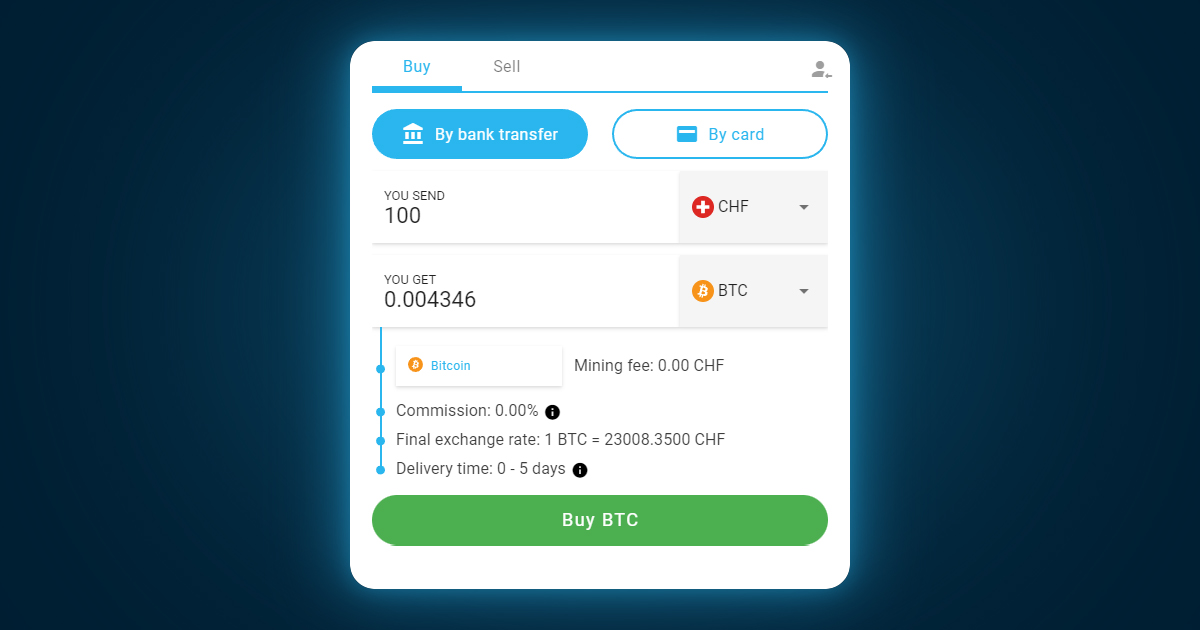
Before you commit, check the current market rates to understand the baseline. Live prices fluctuate, so relying on static screenshots from articles can mislead you.
The choice isn’t just about today’s price; it’s about where you want your assets to live. If you need immediate liquidity and a wide range of tokens, an exchange is the tool. If you want regulatory comfort and integration with your existing financial life, a brokerage might be the better fit. For ultimate control, self-custody is the end goal, but it requires a steeper learning curve.
Essential buy crypto tools
Owning cryptocurrency is straightforward, but keeping it safe requires the right infrastructure. Without proper tools, your assets are vulnerable to exchange hacks, phishing scams, and user error. You need a combination of secure storage and reliable transaction management to protect your investment.
Hardware wallets for cold storage
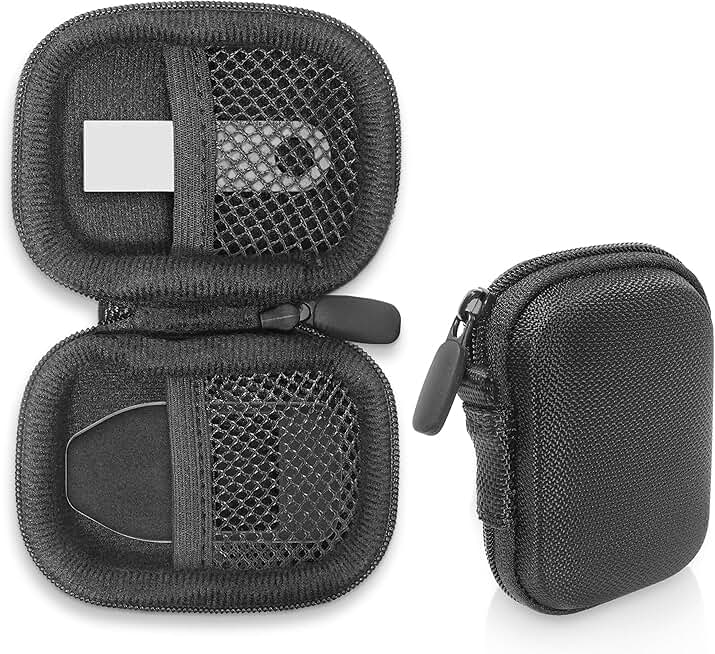
Hardware wallets are physical devices that store your private keys offline. This "cold storage" method is the gold standard for security because the keys never touch an internet-connected device, making them immune to remote hacking attempts. For significant holdings, a hardware wallet is non-negotiable.

As an Amazon Associate, we may earn from qualifying purchases.
Software wallets for daily use
For smaller amounts or frequent trading, software wallets (hot wallets) offer convenience. They are apps installed on your phone or browser that connect directly to the blockchain. While more accessible, they are inherently less secure than hardware wallets because they are always connected to the internet.
Transaction management tools
Managing transactions efficiently is crucial for avoiding network fees and errors. Tools like block explorers allow you to verify transactions in real-time, ensuring your funds have been received. Additionally, portfolio trackers help you monitor your holdings across multiple wallets and exchanges, giving you a unified view of your net worth.
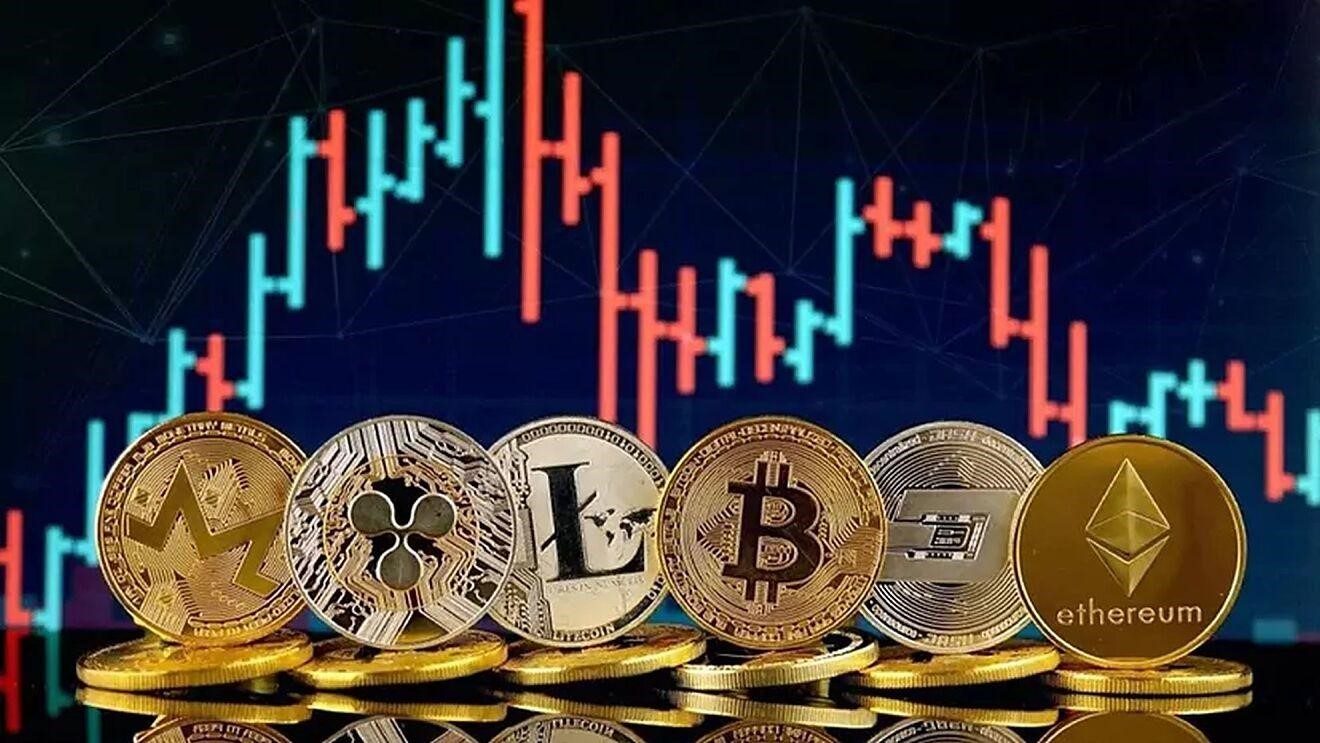
The right mix of hardware security and software convenience depends on your usage patterns. Prioritize cold storage for long-term holds and use hot wallets for active trading. Always verify addresses before sending funds, as blockchain transactions are irreversible.
Strategic entry points for buying crypto
Buying crypto is less about timing the absolute bottom and more about managing the inevitable volatility. Instead of trying to predict short-term price swings, you can use structured entry strategies to smooth out your average cost and reduce emotional stress. This approach works for both Bitcoin and altcoins, helping you build a position without the anxiety of watching every tick on the chart.
Use dollar-cost averaging to smooth volatility
Dollar-cost averaging (DCA) means investing a fixed amount at regular intervals, regardless of the asset's price. If Bitcoin is $60,000, you buy $100. If it drops to $55,000, you still buy $100, which gets you more coins. Over time, this lowers your average entry price compared to buying a lump sum at a peak.
This method removes the need to time the market. It forces discipline and prevents you from making impulsive decisions based on daily news headlines. For beginners, setting up automatic buys on your preferred exchange is often the most effective way to start.
Decide whether to buy daily, weekly, or monthly. Weekly is a common sweet spot for most investors, balancing transaction fees with price smoothing. Monthly buys are better for long-term holders who want to minimize activity.
Determine an amount you can afford to lose or lock up for the long term. Consistency matters more than the size. Even small, regular contributions compound over time, especially during market recoveries.
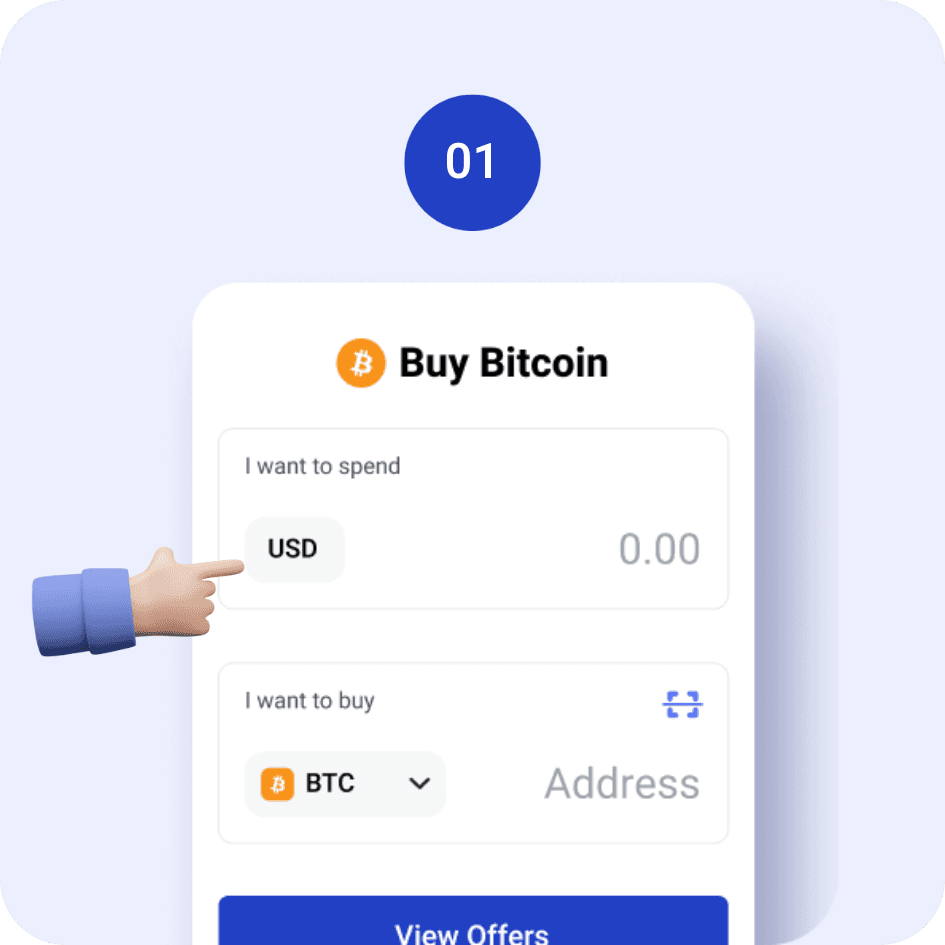
Use your exchange’s recurring buy feature. Automation removes the temptation to skip a week when prices are high or to panic-buy when they crash. Let the strategy work in the background.
Diversify with a core-satellite allocation
Don’t put all your capital into one asset. A common strategy is to allocate the majority (e.g., 70-80%) to "blue-chip" cryptocurrencies like Bitcoin and Ethereum. These form the core of your portfolio due to their established networks and relative stability compared to smaller projects.
The remaining portion can go into smaller-cap altcoins that offer higher growth potential but come with significantly higher risk. This "satellite" approach allows you to capture upside from emerging trends without jeopardizing your entire investment if a smaller project fails.
Monitor and rebalance periodically
Crypto markets can shift rapidly. A coin that was 10% of your portfolio might grow to 30% after a bull run. Periodic rebalancing involves selling some of the outperforming assets to buy more of the underperforming ones, bringing your allocation back to your target.
This forces you to take profits at highs and buy at lows, a discipline that is hard to maintain manually. Review your portfolio every quarter or after significant market moves. Adjust your DCA amounts if your financial situation or risk tolerance changes.
What crypto should beginners buy?
Choosing your first digital assets doesn't require guessing. Focus on established projects with clear use cases rather than chasing short-term hype. Bitcoin and Ethereum form the foundation of most portfolios, offering the highest liquidity and network security. Solana provides exposure to high-speed ecosystems, while stablecoins like USDC allow you to participate in the market without volatility.
Bitcoin (BTC)
Bitcoin is the standard for long-term value storage. Its fixed supply and widespread adoption make it the safest entry point for new investors. It serves as the primary benchmark for the entire asset class.
Ethereum (ETH)
Ethereum powers the majority of decentralized finance and NFTs. Buying ETH gives you access to the broader Web3 ecosystem, including staking yields and smart contract applications.
Solana (SOL)
Solana offers faster transaction speeds and lower fees than Ethereum. It is a higher-risk option for beginners seeking growth potential in active developer ecosystems.
Stablecoins (USDC)
USDC is pegged to the US dollar, eliminating price swings. It is ideal for beginners who want to learn how to buy, sell, and transfer crypto without the stress of market volatility.
No comments yet. Be the first to share your thoughts!