Start with the market baseline
Before you commit capital, you need a clear picture of where the market stands right now. Cryptocurrency is not a monolith; Bitcoin and Ethereum often move independently of one another, and altcoins can swing violently based on sector-specific news. Relying on a single data point is a fast track to bad timing. You need to see the live numbers to ground your expectations.
The following widgets pull directly from provider-backed feeds, ensuring you are looking at real-time valuation rather than stale screenshots. This is your daily ritual: check the price, glance at the trend, and then decide if the current volatility aligns with your risk tolerance.
For a deeper look at market structure, technical charts reveal support and resistance levels that simple price feeds hide. The chart below shows Bitcoin’s price action over the last day. Notice the volume bars at the bottom; spikes in volume often confirm the strength of a price move. If you are buying the dip, waiting for volume to dry up before a bounce is a common strategy among active traders.
Choosing the right exchange infrastructure
Selecting a platform is less about finding the "best" site and more about matching its infrastructure to your specific needs. You are looking for a venue that balances security, cost, and asset availability without compromising on reliability. A platform that crashes during high volatility or hides fees in the fine print is a liability, not a tool.
Start by evaluating security. Look for exchanges that offer cold storage for the majority of user funds and two-factor authentication (2FA) as a baseline. Regulatory compliance is also a strong indicator of infrastructure stability; platforms regulated in major jurisdictions like the US or EU typically adhere to stricter custody standards than unregulated offshore entities.
Next, scrutinize the fee structure. Trading fees can erode returns, especially for active traders. Some platforms use a maker-taker model, while others charge a flat percentage. Be wary of hidden withdrawal fees or spread markups that aren't immediately visible on the order page. For long-term holders, low storage fees matter more than trading costs.
Finally, check asset availability. Not all exchanges list every token. If you are interested in major assets like Bitcoin and Ethereum, most reputable platforms will suffice. However, if you are exploring altcoins, DeFi tokens, or NFTs, you may need specialized exchanges. Ensure the platform supports the specific assets you intend to buy before depositing funds.
| Exchange | Security Features | Fee Structure | Asset Availability |
|---|---|---|---|
| Coinbase | Cold storage, 2FA, regulatory compliance | Higher spreads, transparent fees | Major coins, some altcoins |
| Binance | SAFU fund, 2FA, advanced security | Low trading fees, tiered discounts | Wide range, including many altcoins |
| Kraken | Cold storage, 2FA, proof of reserves | Low maker fees, higher taker fees | Major coins, select altcoins |
| Robinhood | SIPC insurance (cash), 2FA | No trading fees, spread markup | Limited to major coins only |
For a deeper look at market trends, consider the current performance of major assets. This helps contextualize the infrastructure you choose; for example, high-volatility assets may require platforms with robust liquidity to minimize slippage.
Secure assets with proper storage tools
Keeping your crypto safe means moving it off exchanges and into a wallet you control. This is called self-custody. When you leave funds on a trading platform, you are trusting that company with your keys. If the exchange fails or gets hacked, your assets can disappear. Hardware wallets solve this by keeping your private keys offline, making them nearly impossible to steal remotely.
Think of a hardware wallet like a digital safe. You can use it anytime to sign transactions, but the keys never touch the internet. This separation is the most effective way to protect long-term holdings. For beginners, the choice often comes down to ease of use versus advanced features.
Popular options include Ledger and Tangem. Ledger devices are widely supported and offer a robust ecosystem of apps. Tangem uses a card-like design that works with NFC on smartphones, removing the need for cables. Both are reputable choices for securing Bitcoin, Ethereum, and other major tokens.


As an Amazon Associate, we may earn from qualifying purchases.
Self-custody also means managing your recovery phrase. This is a list of words that restores your wallet if you lose the device. Write it down on paper and store it in a safe place. Never store it digitally or share it with anyone. With the right tools, you can hold your assets with confidence.
Execute a disciplined entry strategy
Buying crypto is easy; doing it without losing money is the hard part. Emotional trading—chasing green candles or panic-selling red ones—is the fastest way to erode capital. A disciplined entry strategy removes the guesswork and replaces impulse with process.
Start by defining your position size before you ever click "buy." Never risk more than a small percentage of your portfolio on a single volatile asset. This approach protects you from the inevitable drawdowns that characterize crypto markets. If you are new to the space, start with established assets like Bitcoin or Ethereum to understand market mechanics before exploring higher-risk altcoins.
Before funding an exchange, ensure you have a secure place to store your assets. While keeping small amounts on a reputable exchange is fine for active trading, long-term holdings belong in a hardware wallet. This step separates your trading capital from your long-term savings, reducing the risk of total loss if a platform is compromised.
Select a platform that prioritizes security and regulatory compliance over flashy marketing. Look for features like cold storage for user funds, two-factor authentication (2FA), and insurance coverage. Established exchanges with transparent audits provide a safer foundation for your initial purchases than unverified new platforms.
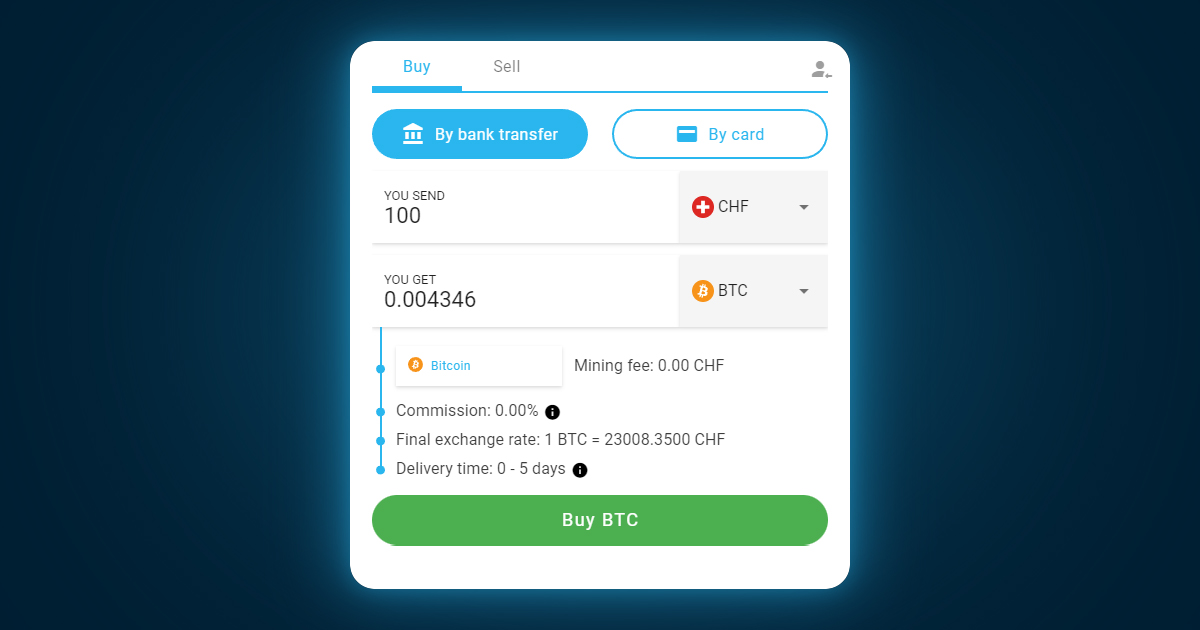
Transfer funds using bank transfers or debit cards, depending on the speed and fees you prefer. Bank transfers often have lower fees but take longer to clear, while cards are instant but costlier. Always verify the recipient address and account details twice. Never send crypto from an unverified third-party source to your primary wallet.
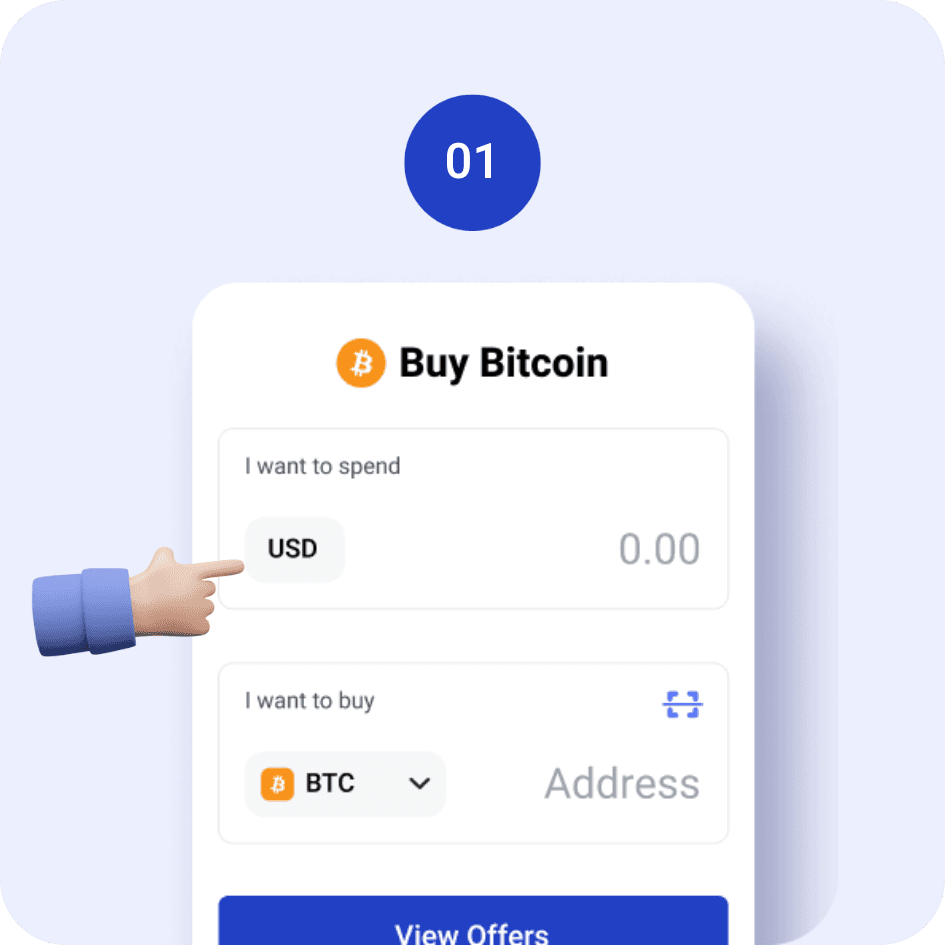
Avoid market orders when possible. Use limit orders to set the exact price at which you want to buy. This prevents slippage and ensures you don’t overpay during sudden price spikes. Limit orders give you control over your entry price, turning emotional reactions into calculated decisions.
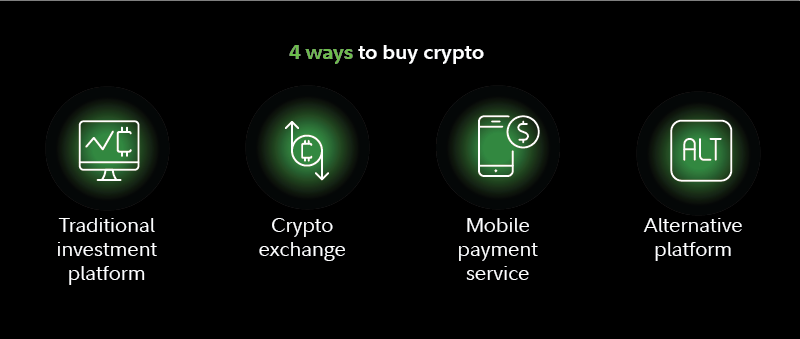
Once your positions are established, set a schedule to review and rebalance your portfolio. Rebalancing involves selling a portion of your winners to buy more of your underperformers, maintaining your target allocation. This mechanical process forces you to sell high and buy low, counteracting the human tendency to chase momentum.
To stay grounded in current market conditions, monitor real-time data. Understanding the broader trend helps you avoid buying at local peaks.
Finally, keep a trading journal. Record why you bought, at what price, and your exit plan. Reviewing these entries monthly reveals patterns in your behavior, allowing you to refine your strategy over time. Discipline is a skill built through repetition, not a trait you are born with.
Common beginner questions answered
Buying cryptocurrency can feel overwhelming, especially with so many options and conflicting advice. Here are clear answers to the most common questions beginners ask, based on current market standards and official educational resources.
What crypto should beginners buy?
Most experts recommend starting with established assets to understand market behavior before exploring smaller projects. Bitcoin is widely considered the best first choice for long-term familiarity and market trust. Ethereum is ideal if you want to understand decentralized finance (DeFi), NFTs, and Web3 applications. Solana offers growth exposure but comes with higher risk. For those who want low-volatility entry to learn how markets work, stablecoins like USDT or USDC are practical starting points.
How much crypto should I buy?
There is no fixed rule, but financial advisors generally suggest only investing money you can afford to lose. A common strategy is to start with a small amount—enough to cover transaction fees and learn the platform interface. As you become more comfortable, you can gradually increase your position size. Never invest rent money or emergency funds in crypto.
Is it safe to buy crypto on exchanges?
Reputable, regulated exchanges use cold storage and two-factor authentication to protect user funds, but no platform is 100% immune to hacks. To stay safe, choose platforms with strong security records and insurance coverage. Enable all available security features, such as hardware key authentication. Consider transferring long-term holdings to a personal hardware wallet for maximum security.
When is the best time to buy crypto?
Timing the market is notoriously difficult, even for professionals. Instead of trying to predict short-term price movements, many investors use dollar-cost averaging (DCA). This means buying a fixed dollar amount at regular intervals, regardless of price. This strategy reduces the impact of volatility and removes emotional decision-making from the process.
No comments yet. Be the first to share your thoughts!