Market context for 2026
The landscape for buying crypto in 2026 is defined by a shift from speculative frenzy to institutional integration. Regulatory clarity has replaced the ambiguity of previous years, allowing traditional finance players to participate with established compliance frameworks. This structural change means that market movements are now heavily influenced by macroeconomic indicators and institutional capital flows rather than retail hype alone.
Understanding this new reality requires looking at the broader economic picture. Interest rate policies, inflation data, and global liquidity trends now dictate crypto market direction with greater precision. Investors must treat digital assets as part of a diversified portfolio, acknowledging their volatility while recognizing their potential for long-term growth within a regulated environment.
To navigate this complex environment, it is essential to rely on accurate, real-time data. The following chart illustrates the long-term trend of Bitcoin, the primary benchmark for the entire market. Observing these patterns helps contextualize current price action against historical cycles and institutional accumulation phases.
Choosing a secure exchange platform
Your exchange is the gateway to the crypto market, but it is also the most common point of failure for investors. In 2026, the distinction between a "crypto-native" exchange and a regulated financial institution is sharper than ever. Choosing the wrong platform doesn't just risk high fees; it risks the total loss of your capital if the platform faces liquidity issues or regulatory shutdown.
Start by verifying regulatory status. In the US, look for FinCEN registration and state money transmitter licenses. In Europe, check for VASP registration under MiCA. For global users, prioritize platforms with audited proof-of-reserves. Never deposit funds into an unregulated offshore entity that offers "high yield" on staked assets; this is often a red flag for insolvency.
Security features are your second line of defense. The best exchanges offer cold storage for the majority of user funds, meaning they are offline and inaccessible to hackers. Look for platforms that require multi-signature wallets for withdrawals and offer hardware key support for two-factor authentication (2FA). Avoid platforms that rely solely on SMS-based 2FA, which is vulnerable to SIM-swapping attacks.
The table below compares three major platforms based on their regulatory standing, security model, and fee structure. This comparison focuses on platforms suitable for serious investors who prioritize safety over speculative trading features.
| Exchange | Regulatory Status | Security Model | Maker/Taker Fees |
|---|---|---|---|
| Coinbase | US Publicly Traded (NASDAQ: COIN) | Cold storage, FDIC insurance for fiat | 0.40% / 0.60% |
| Kraken | US Registered Money Transmitter | Cold storage, Proof of Reserves | 0.16% / 0.26% |
| Binance | Global (MiCA compliant in EU) | SAFU Fund, Cold storage | 0.10% / 0.10% |
While fees matter, they should not be your primary selection criterion. A 0.1% fee difference is negligible compared to the risk of a platform hack or regulatory freeze. Use the
to gauge current market conditions before executing your first trade, ensuring you enter at a logical point rather than chasing momentum.Essential infrastructure tools
Before you execute a trade, you need the physical and digital infrastructure to manage your assets securely. Buying crypto is only the first step; storing it safely requires dedicated hardware and reliable software. Without the right tools, your investment remains vulnerable to exchange hacks, phishing scams, and accidental loss.
Think of your crypto infrastructure like a bank vault. The exchange is the lobby where you conduct business, but your hardware wallet is the vault itself. You want the lobby to be convenient and well-lit, but you never leave your life savings sitting on the counter. In 2026, with digital theft becoming more sophisticated, relying solely on an exchange's internal security is no longer a viable strategy for long-term holders.
Hardware Wallets
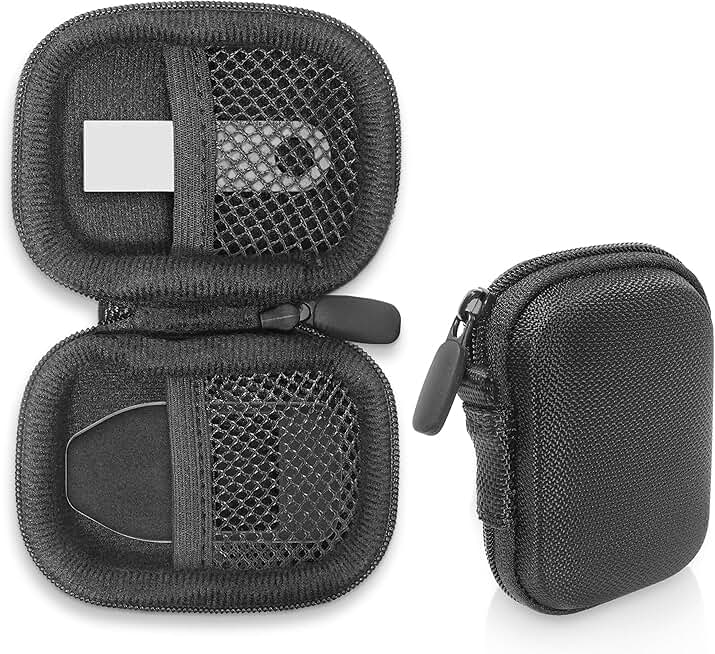
Hardware wallets are specialized devices that store your private keys offline. This "cold storage" method ensures that your keys never touch an internet-connected device, making them immune to remote hacking attempts. When you need to make a transaction, you connect the device to your computer or phone to sign the message physically, usually via a button press or biometric scan.
For most users, a dedicated hardware wallet offers the best balance of security and ease of use. Look for devices that support open-source firmware and have a long track record of security audits. Avoid obscure brands with no public code repository. The initial investment is small compared to the potential loss of your entire portfolio.


As an Amazon Associate, we may earn from qualifying purchases.
Software Wallets and Transaction Management
While hardware wallets are ideal for long-term storage, you will need a software wallet for daily transactions and interacting with decentralized applications (dApps). Software wallets are free to download and connect directly to your browser or mobile device. They act as a bridge between your crypto holdings and the blockchain network.
Choose a reputable software wallet that supports the specific tokens you plan to trade. Popular options include MetaMask for Ethereum-based assets and Phantom for Solana. Always download these apps directly from the official developer websites or verified app stores to avoid fake versions designed to steal your funds. Never share your seed phrase with any website or support agent.
Conducting market research
Before committing capital, you need to separate viable assets from speculative noise. In 2026, the barrier to entry is low, but the cost of error remains high. Effective research requires a dual approach: evaluating the underlying technology and fundamentals, while simultaneously analyzing price action and market sentiment. Relying on one method alone is like driving with only one eye open.
Start with fundamental analysis. Look for projects with clear utility, active development teams, and transparent tokenomics. Ask yourself what problem the asset solves and who actually uses it. For beginners, Bitcoin and Ethereum remain the primary anchors for understanding market trust and decentralized finance (DeFi) infrastructure respectively. Newer entrants like Solana offer growth potential but come with higher volatility profiles. Use official whitepapers and GitHub repositories to verify claims rather than relying on social media hype.
Pair this with technical analysis to time your entry. You don't need to be a chart expert, but understanding support and resistance levels can prevent you from buying at a local peak. Live data is essential here. Static screenshots are useless for decision-making. Use provider-backed widgets to see real-time price action and volume trends.
This live view of Bitcoin allows you to gauge current market momentum. Combine this with a deeper look at the chart structure to identify potential entry zones. The goal is to buy when the fundamentals are strong and the technical setup offers a favorable risk-to-reward ratio.
Strategic entry and risk management
Entering the crypto market requires more than just capital; it demands a disciplined framework to protect against volatility. Rather than chasing immediate gains, successful investors treat entry as a calculated process. This section outlines the specific steps to time your purchases and manage risk effectively in the 2026 market environment.
Before buying, define your investment horizon. Are you seeking long-term store-of-value exposure or short-term trading opportunities? Your answer dictates your asset selection and entry strategy. Conservative investors often start with Bitcoin or Ethereum, while those seeking higher growth may allocate a smaller portion to altcoins. Never invest money you cannot afford to lose.
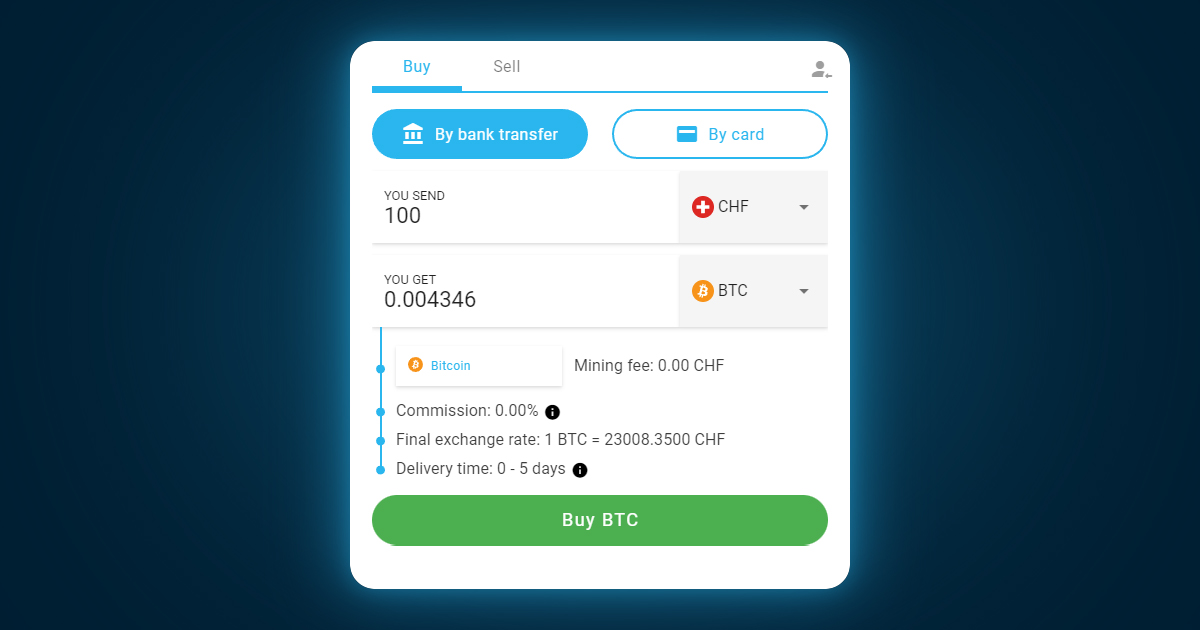
Select a reputable exchange or platform that aligns with your jurisdiction and security needs. Look for platforms with strong regulatory compliance, transparent fee structures, and robust security measures like cold storage for assets. Consider using a self-custody wallet for long-term holdings to maintain full control over your private keys.
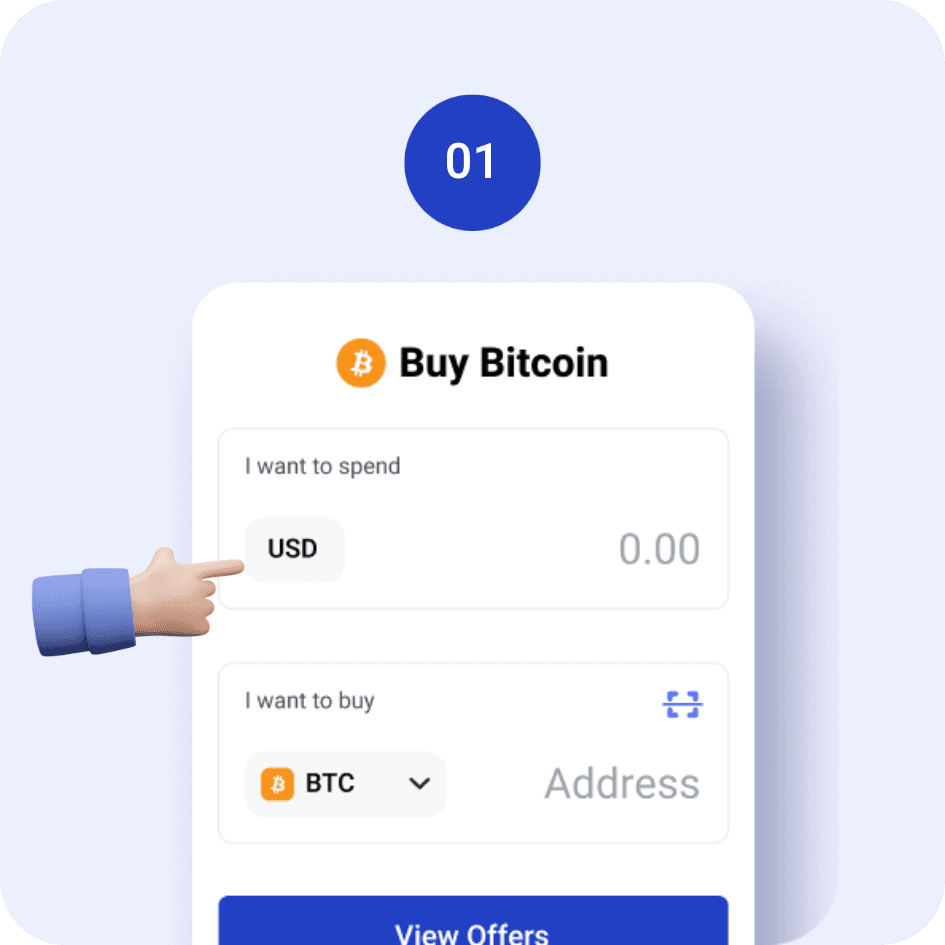
Instead of timing the market, which is notoriously difficult even for professionals, use dollar-cost averaging. This involves investing a fixed amount at regular intervals, regardless of price. DCA reduces the impact of volatility and lowers the average cost per unit over time, providing a smoother entry curve than lump-sum investing.
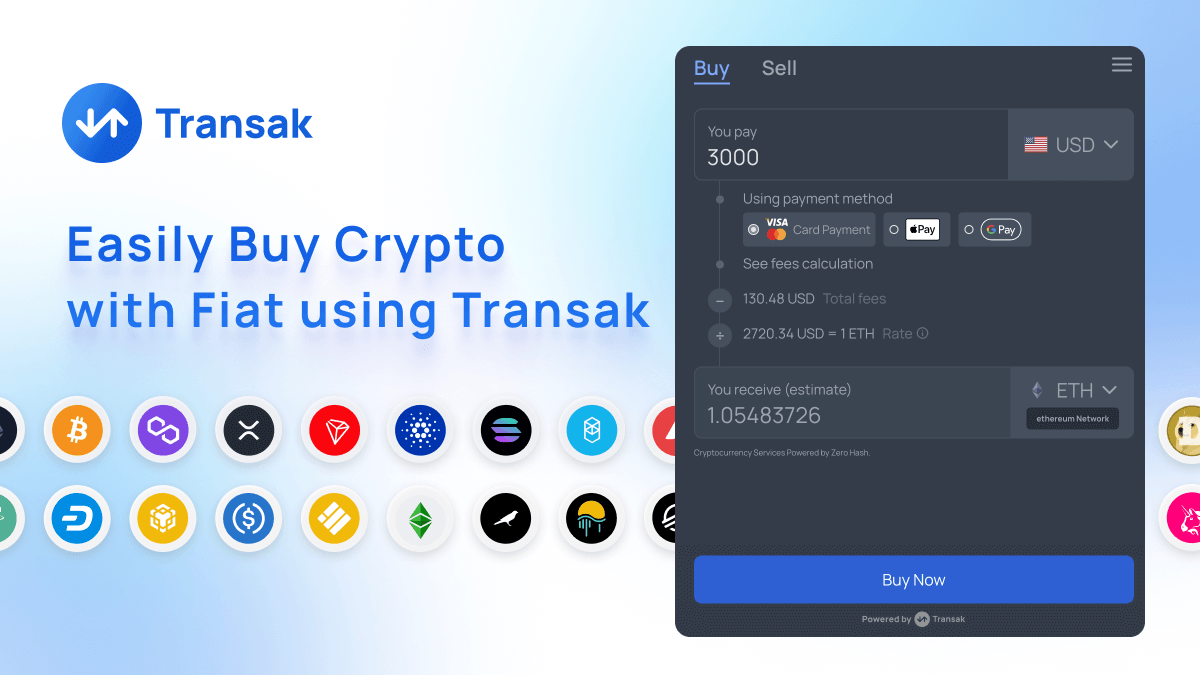
Define your exit strategy before you enter. Set stop-loss orders to automatically sell if the price drops below a certain threshold, limiting potential losses. Similarly, set take-profit levels to secure gains when the asset reaches your target price. This removes emotional decision-making from the equation and enforces discipline.
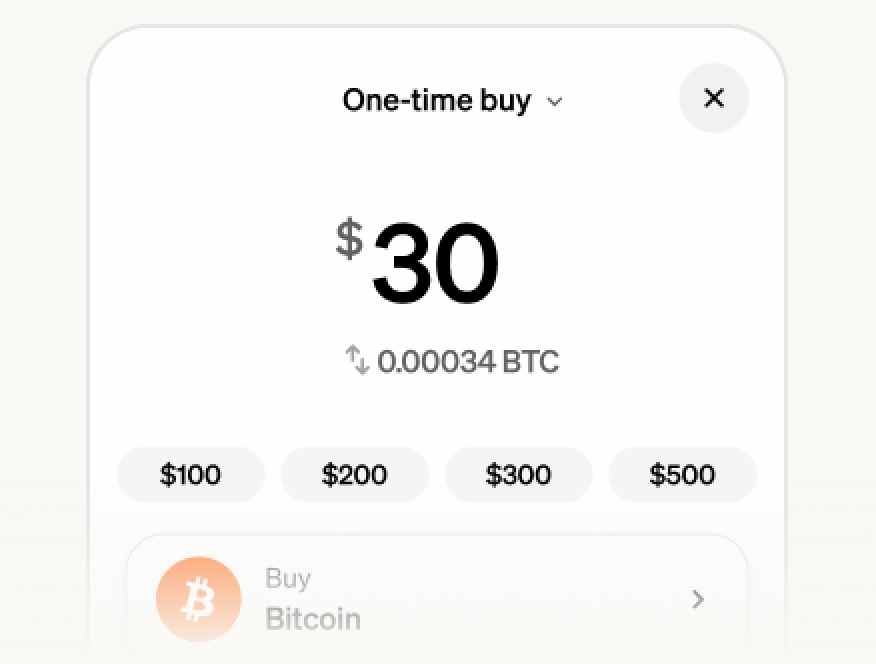
Regularly review your portfolio to ensure it aligns with your original goals. If one asset grows significantly, it may become an oversized portion of your portfolio, increasing risk. Rebalance by selling some of the overperforming assets and buying underperforming ones to maintain your desired allocation.
To help you visualize current market conditions, here is a technical chart for Bitcoin. Use this as a reference for trend analysis, not as financial advice.
What crypto should beginners buy?
Choosing your first cryptocurrency can feel overwhelming, but sticking to established assets reduces risk while you learn how the market works. Most experts recommend starting with assets that have proven track records, clear use cases, and high liquidity.
Bitcoin remains the standard entry point for new investors. It offers the highest level of market trust and serves as a long-term store of value. If you want to understand the foundation of the crypto ecosystem, Bitcoin is the logical first step.
Ethereum is the best choice for those interested in the broader utility of blockchain technology. It powers most decentralized finance (DeFi) applications, NFTs, and Web3 projects. Holding Ethereum gives you exposure to the infrastructure layer of the crypto economy.
For investors seeking higher growth potential, Solana offers a faster, lower-cost alternative to Ethereum. However, it comes with higher volatility. If you prefer stability while learning market mechanics, stablecoins like USDT or USDC allow you to participate without the extreme price swings of volatile assets.
No comments yet. Be the first to share your thoughts!