Start with a clear buy crypto strategy
A buy crypto strategy is the infrastructure you build before you ever place an order. It moves you away from reactive speculation—chasing green candles or panic-selling red ones—and toward structured decision-making. Without a plan, you are gambling; with a plan, you are managing risk.
The foundation of any robust strategy is defining your entry points, exit rules, and risk limits. Most beginners skip this step, assuming they will "know" what to do when the market moves. This is a critical error. Market volatility triggers emotional responses that override logic. By pre-defining your parameters, you remove emotion from the equation.
Consider dollar-cost averaging (DCA) as your baseline mechanism. Instead of trying to time the perfect bottom, you invest a fixed amount at regular intervals. This smooths out your entry price over time and reduces the stress of timing the market. It is particularly effective for mature assets like Bitcoin, where long-term growth is expected despite short-term volatility.
Your strategy must also account for your risk tolerance. Only allocate capital you can afford to lose. Crypto markets are highly volatile, and a buy crypto strategy should reflect your personal financial situation, not the hype cycle. Define your maximum loss threshold and stick to it. This discipline is what separates successful investors from those who get caught in the noise.
Use dollar cost averaging to reduce timing risk
Building a buy crypto strategy that survives market volatility starts with removing the need to guess the perfect entry point. Dollar-cost averaging (DCA) is the most reliable way to achieve this. Instead of trying to time the market, you commit to buying a fixed amount of an asset at regular intervals, regardless of the price.
This approach smooths out the extreme swings inherent in digital assets. When prices are high, your fixed amount buys fewer units. When prices drop, that same amount buys more. Over time, this lowers your average cost per unit compared to buying a lump sum at a peak. It also removes emotional decision-making, which is often the biggest hurdle for investors.
Implementing a DCA strategy is straightforward but requires discipline. You can set up automatic purchases on most major exchanges, ensuring you buy consistently whether the market is green or red. This infrastructure turns investing into a routine rather than a reaction to daily news cycles. By focusing on long-term accumulation, you align your approach with the historical upward trajectory of major assets like Bitcoin, while mitigating the risk of short-term market noise.
Use technical analysis to time your entry
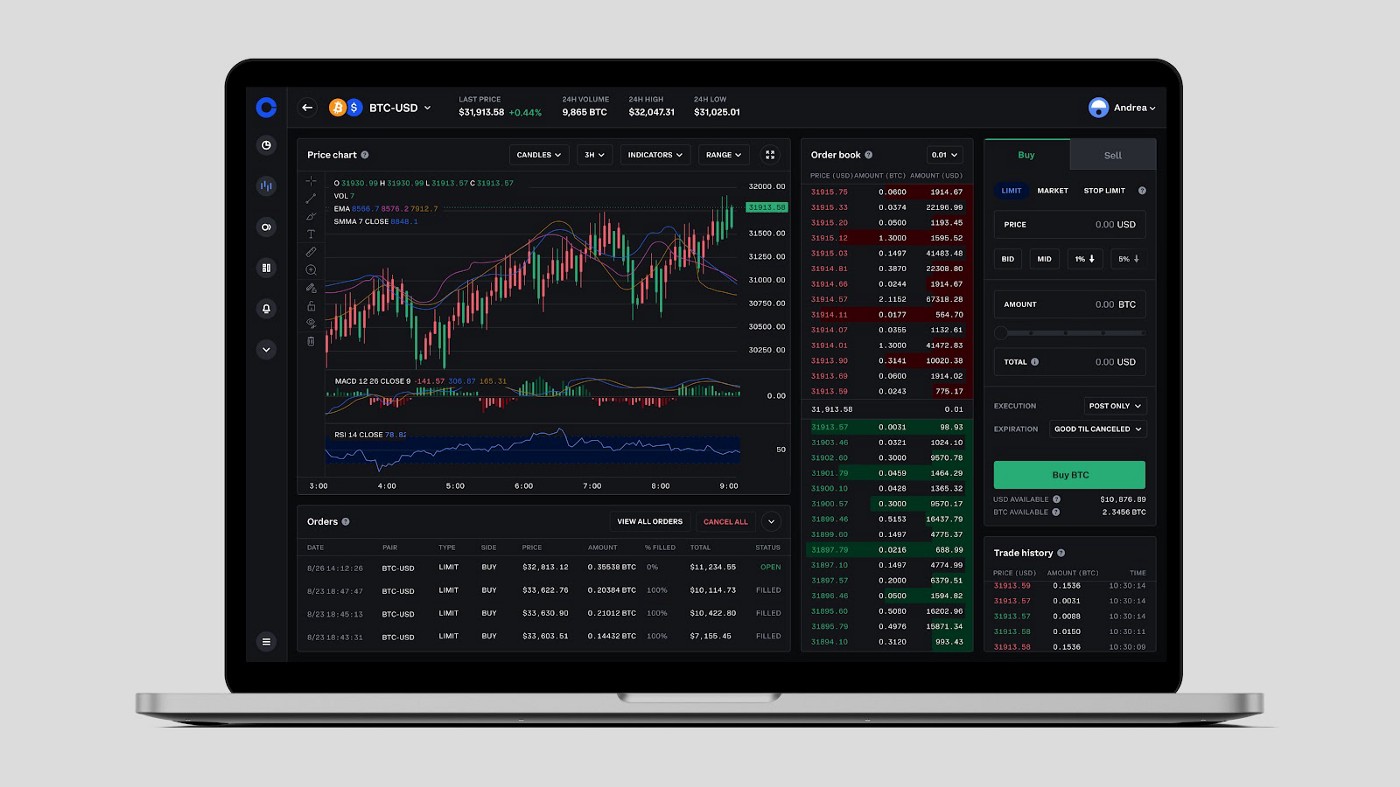
Technical analysis is the difference between guessing where the market is going and identifying where it has likely already been. For a buy crypto strategy, relying solely on fundamental belief in an asset is risky; you need to know if the price is currently fair or inflated. By layering indicators like the Relative Strength Index (RSI) and moving averages over your entry points, you transform a blind purchase into a calculated position.
Think of technical indicators as the dashboard of your car. You wouldn’t drive across the country without checking your fuel gauge or speedometer, so you shouldn’t enter a volatile crypto market without checking momentum and trend direction. These tools don’t predict the future, but they provide a high-probability map of current market sentiment, helping you avoid buying at the peak of a euphoric spike.

The Relative Strength Index (RSI) is one of the most reliable tools for spotting entry opportunities. This momentum oscillator measures the speed and change of price movements on a scale of 0 to 100. When the RSI drops below 30, the asset is considered oversold, suggesting that sellers are exhausted and a reversal upward is likely. Conversely, an RSI above 70 indicates overbought conditions. For a buy crypto strategy, waiting for the RSI to cool down from overbought territory or bounce from oversold levels can save you from buying into a temporary top.
Moving averages smooth out price data to create a single flowing line, making it easier to see the underlying trend. The 50-day and 200-day moving averages are the industry standards. When the price is above these lines, the trend is generally bullish. A common entry signal occurs when the price dips toward the moving average and bounces back up, indicating that the trend is holding strong. Combining this with RSI data gives you a dual confirmation: the trend is up, and the short-term price is undervalued.
These indicators work best when used together rather than in isolation. A low RSI might suggest a buy, but if the price is far below the 200-day moving average, the trend might still be bearish. By aligning your entries with the broader trend while timing them with short-term momentum shifts, you build a buy crypto strategy that is resilient to market noise and grounded in observable data.
Select the right buy crypto infrastructure
Building a buy crypto strategy requires more than just a trading plan; it demands secure infrastructure. You need reliable places to execute trades and safe vaults to hold the assets. Choosing between hardware wallets and secure exchange platforms is a foundational decision that impacts both your security posture and your ability to act on market opportunities.
Hardware wallets act as offline vaults for your long-term holdings. They keep your private keys away from internet-connected devices, significantly reducing the risk of remote hacking. For a buy crypto strategy focused on dollar-cost averaging into mature assets like Bitcoin, storing your coins on a hardware wallet ensures that even if your computer is compromised, your assets remain safe.
| Feature | Hardware Wallet | Secure Exchange |
|---|---|---|
| Security Level | Offline, cold storage | Online, hot storage |
| Access Speed | Slower, requires physical device | Instant, web or app access |
| Best Use Case | Long-term storage, large holdings | Active trading, frequent buys |
| Custody | Self-custody (you hold keys) | Third-party custody (exchange holds keys) |
Exchange platforms provide the liquidity and ease of use necessary for executing a buy crypto strategy efficiently. Major regulated exchanges offer robust security measures, including insurance funds and two-factor authentication, making them suitable for active traders who need to buy and sell frequently. However, relying solely on exchanges means you are trusting a third party with your assets, which introduces counterparty risk.
Many investors use a hybrid approach: keeping funds on a secure exchange for active trading and moving long-term holdings to a hardware wallet. This balances the need for accessibility with the desire for maximum security. When selecting a platform, prioritize those with a history of regulatory compliance and transparent security practices.

Top Hardware Wallets for Secure Storage



As an Amazon Associate, we may earn from qualifying purchases.
Selecting the right hardware wallet depends on your technical comfort and asset diversity. Ledger and Trezor are industry leaders, offering different interfaces and security features. Ensure the wallet supports the specific cryptocurrencies in your buy crypto strategy, as not all devices support every altcoin.
Choosing a Secure Exchange

As an Amazon Associate, we may earn from qualifying purchases.
When choosing an exchange, look for platforms that have undergone security audits and offer insurance for digital assets. Regulatory compliance is also a key indicator of a platform's reliability. A secure exchange should provide clear information about their custody solutions and insurance policies, giving you confidence in your buy crypto strategy.
Common questions about crypto buying strategies
Investors often look for a single "best" way to buy crypto, but the right approach depends on your risk tolerance and timeline. Dollar-cost averaging (DCA) remains the most popular method for long-term holders, involving regular purchases of mature assets like Bitcoin regardless of price. This strategy reduces the impact of volatility and removes the need to time the market.
For those seeking more active management, technical analysis and swing trading offer different opportunities. These methods require monitoring market trends and using tools like the TradingView charts below to identify entry and exit points. While potentially more profitable, they demand significantly more time and carry higher risk.
No comments yet. Be the first to share your thoughts!