Start with the big picture
Buying cryptocurrency in 2026 requires understanding a mature, regulated infrastructure rather than chasing overnight gains. The market has shifted from wild speculation to a phase defined by institutional adoption and clearer regulatory frameworks. This evolution means buying crypto is now a deliberate financial action, similar to opening a brokerage account, rather than a gamble on unproven technology.
The primary purpose for most new investors remains long-term value storage or utility. While short-term trading exists, the fundamental appeal of assets like Bitcoin and Ethereum lies in their role as alternative stores of value or platforms for decentralized applications. Understanding this distinction helps you avoid the noise of daily price fluctuations and focus on the underlying technology and market structure.
To operate safely, start by choosing a reputable exchange. Platforms like Coinbase have built robust compliance systems that protect users and ensure transparency. These exchanges provide the necessary tools for secure storage and easy access to your assets, making them the ideal starting point for anyone new to the space.
Pick a regulated exchange
Choosing the right platform is the first real step in buying crypto. You want a venue that balances ease of use with serious security and compliance. Major regulated exchanges like Coinbase, Kraken, and Binance offer the infrastructure needed to buy, sell, and store digital assets safely.
When evaluating a platform, look for those operating under strict financial regulations. Regulatory compliance often means the exchange holds user funds in segregated accounts and undergoes regular audits. This oversight provides a layer of protection that unregulated platforms cannot match. For beginners, a user-friendly interface is just as important as security, ensuring you can manage your account without confusion.
The table below compares three top exchanges across key metrics like fees, security features, and ease of use. This comparison helps you identify which platform aligns best with your specific needs.
| Exchange | Fee Structure | Security Features | Ease of Use |
|---|---|---|---|
| Coinbase | 0.4% - 3.99% | FDIC Insurance, Cold Storage | Very Easy |
| Kraken | 0.16% - 0.26% | 2FA, Cold Storage | Moderate |
| Binance | 0.1% - 0.4% | SAFU Fund, 2FA | Moderate |
Once you have selected an exchange, the next logical step is securing your assets. While exchanges offer cold storage solutions, many investors prefer to move their holdings to a personal hardware wallet for maximum security. The devices listed below are highly rated for their ability to keep private keys offline and protected from online threats.


As an Amazon Associate, we may earn from qualifying purchases.
Fund your account securely
Before you can buy Bitcoin or Ethereum, you need to get fiat currency onto the exchange. Think of this step as filling the tank before the road trip; without it, the engine doesn’t start. Most major platforms like Coinbase, Kraken, and Binance support several funding methods, but they come with different speeds and costs.
Your options usually boil down to three main paths: bank transfers (ACH or wire), debit/credit cards, and third-party payment apps. Each has trade-offs. Bank transfers are typically the cheapest but take a few days to clear. Cards are instant but often carry higher fees. Choose the one that balances your urgency with your budget.
For the lowest fees, link your checking account directly. In the U.S., this is often done via ACH transfer. It’s safe because regulated exchanges use Plaid or similar secure APIs to verify your identity and account details without storing your full bank login credentials. This method usually costs nothing or a nominal fee, making it ideal for larger deposits.
If you need to buy crypto immediately, a debit or credit card is the fastest route. However, be aware that these transactions are often treated as "cash advances" by banks, which can trigger additional interest charges. In addition, exchanges typically charge a convenience fee of 1-4% for card payments. Use this only for small, urgent amounts.

Before confirming, double-check the minimum deposit limits. Some exchanges require a minimum of $10-$25 to cover processing costs. Also, ensure you are depositing from a verified account in your own name. Mismatched names can trigger security holds, delaying your access to funds for days or even weeks.
Choose your first assets
Picking your first cryptocurrencies can feel like standing in front of a vending machine with too many options. The safest path for beginners is to stick with the two largest assets by market capitalization: Bitcoin and Ethereum. These established coins are not just the most recognized names in the industry; they are also the most liquid and widely supported by regulated exchanges.
Bitcoin is often viewed as digital gold. It has the longest track record and the most decentralized network, making it the least volatile option among major cryptocurrencies. Ethereum, on the other hand, powers a vast ecosystem of decentralized applications and smart contracts. While both assets carry risk, they are far less speculative than smaller "altcoins" that lack institutional backing or clear utility.
Starting with these two assets allows you to learn the mechanics of buying, storing, and tracking crypto without exposing yourself to the extreme volatility of newer projects. Most major exchanges like Coinbase or Kraken list these assets prominently, ensuring you can buy and sell them easily. Think of Bitcoin and Ethereum as the blue-chip stocks of the crypto world—they offer stability and familiarity as you build your portfolio.
Secure your holdings
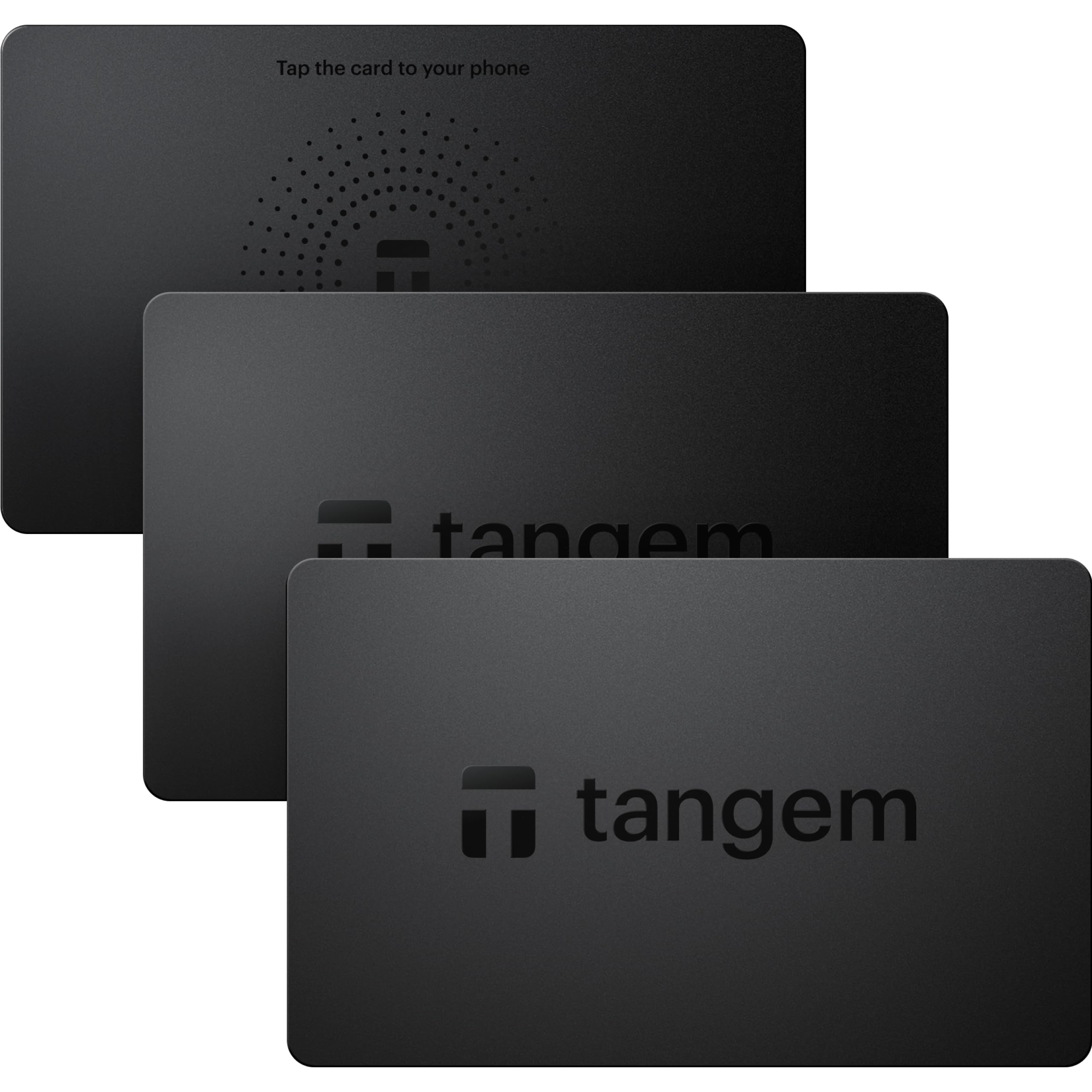
Leaving crypto on an exchange is like keeping your life savings in a mattress at a hotel. It might be convenient, but you don’t truly own it if the house burns down. Self-custody means you hold the keys—literally. When you use a hardware wallet, your private keys never touch the internet, making them nearly immune to online hacks.
For most beginners, a hardware wallet is the first real step toward true ownership. Devices like Trezor and Ledger keep your assets offline while still allowing you to interact with exchanges when you need to trade. It’s a small upfront cost for peace of mind that grows with your portfolio.


As an Amazon Associate, we may earn from qualifying purchases.
The goal isn’t to make trading harder, but to make theft impossible. Start small, learn the backup process, and never share your recovery phrase. Your security is only as strong as your weakest habit.
Common beginner mistakes
Buying crypto is straightforward, but protecting what you buy is where most people stumble. The biggest risk isn't market volatility; it's how you store and access your assets. Treat your exchange account like a checking account, not a vault. If you leave significant funds on a platform, you are relying on their security protocols rather than your own. A platform outage or regulatory freeze can lock your capital indefinitely. For long-term holdings, move assets to a self-custody wallet where you control the private keys.
Another frequent error is using credit cards for large purchases. Most major exchanges treat these transactions as cash advances, triggering immediate interest and high fees. You pay interest on the debt while the asset price fluctuates independently. This double-cost structure erodes returns before you even start. Use a direct bank transfer or debit card instead to avoid these hidden costs and keep your transaction history clean.
Security hygiene is equally critical. Phishing attacks target beginners who click suspicious links in emails or social media DMs. Always verify the URL before logging in and enable two-factor authentication (2FA) using an authenticator app, not SMS. SMS codes can be intercepted via SIM swapping. By securing your access points and understanding the fees involved, you build a foundation that survives market noise.
What crypto should beginners buy?
For most new investors, starting with Bitcoin (BTC) and Ethereum (ETH) is the safest path. These two assets have the longest track records, the highest liquidity, and the most robust regulatory clarity compared to newer tokens.
Think of Bitcoin as digital gold—a store of value—and Ethereum as the foundation for decentralized apps. By focusing on these two, you avoid the extreme volatility of smaller "altcoins" while still gaining exposure to the broader crypto market.
If you want to see how these assets move in real time, checking a live chart helps you understand market cycles without needing to predict prices. Stick to major exchanges like Coinbase or Binance, which offer regulated custody and transparent fee structures.
No comments yet. Be the first to share your thoughts!