Why infrastructure matters now
Buying cryptocurrency is no longer just about executing a transaction; it is about the underlying systems that keep your assets safe and your data accurate. In 2026, the gap between a successful investment and a costly mistake lies in the infrastructure you choose. This includes the exchange you trade on, the wallet you use for storage, and the data feeds that tell you what the market is actually doing.
Most generic guides focus on which coins to buy. That approach ignores the reality that even the best asset is worthless if you cannot access it securely or verify its price accurately. Exchanges handle the execution, but they are not custodians. Wallets handle the storage, but they require careful management. Data providers handle the visibility, but they vary in reliability. Treating these three layers as separate concerns is the difference between speculation and strategy.
The market moves fast, and latency matters. If your data feed is delayed by even a few seconds, your entry or exit price can shift significantly, especially in volatile conditions. Similarly, if your wallet infrastructure is outdated, you risk exposure to new vulnerabilities that legacy systems don't account for. Security is not a feature you add later; it is the foundation you build on first.
Consider the difference between buying Bitcoin on a centralized exchange and holding it in a self-custody wallet. The exchange offers convenience but introduces counterparty risk. The wallet offers control but requires technical diligence. Your infrastructure should align with your risk tolerance and trading frequency. For active traders, low-latency data and robust exchange APIs are essential. For long-term holders, secure cold storage and clear withdrawal procedures take precedence.
Don't assume that "buying crypto" means you are done once the transaction clears. The infrastructure continues to matter. You need to monitor your holdings, verify transaction confirmations, and ensure your security protocols remain up to date. Ignoring these operational details is like buying a house but ignoring the foundation. The structure might look fine on the surface, but without solid infrastructure, it won't hold up under pressure.
Choosing the right exchange platform
Selecting a crypto exchange is less about finding the lowest trading fee and more about choosing your financial infrastructure. In 2026, the platforms that survive regulatory scrutiny and market volatility are those that prioritize security and liquidity over flashy marketing. Your choice of exchange determines how safely your assets are stored and how easily you can enter or exit positions during high-stress market events.
Think of an exchange as the bridge between your traditional bank account and the decentralized web. If that bridge is unstable, your funds are at risk regardless of how good your investment strategy is. Focus on three non-negotiable pillars: regulatory compliance (does the platform operate within your jurisdiction's laws?), security architecture (is your capital in self-custody or a cold wallet?), and liquidity depth (can you sell your assets without crashing the price?).
The following comparison highlights how major platforms stack up against these infrastructure criteria. While fees matter, they are secondary to the reliability and legal standing of the platform you trust with your capital.
| Platform | Security Model | Regulatory Status | Liquidity Depth |
|---|---|---|---|
| Coinbase | Custodial + Insurance | Fully regulated (US) | Very High |
| Kraken | Cold storage + 2FA | Audited (US/EU) | High |
| Binance | SAFU Fund + 2FA | Varies by region | Very High |
| Self-Custody | Private Keys Only | User Responsibility | Depends on DEX |
Market research and data tools
You don’t buy a house without an appraisal, and you shouldn’t buy crypto without data. Generic buying guides often skip this step, but in 2026, infrastructure is the difference between gambling and investing. Before you click buy, you need reliable sources to verify price action, volume, and market sentiment. Relying on a single exchange’s ticker is like looking at a map through a keyhole.
Start with provider-backed widgets for live, unbiased data. Static prices expire the moment you read them. Use a technical chart to spot trends and volatility patterns that raw numbers hide. This isn’t about predicting the future; it’s about seeing what the market is doing right now.
Data aggregators like CoinGecko or CoinMarketCap provide the broader context. They show you where Bitcoin sits relative to Ethereum or Solana, helping you diversify rather than chasing a single asset. Pair this with a price widget to track your specific portfolio value across exchanges. The goal is clarity, not noise.
Once you have your data, use a checklist to filter your decisions. This prevents emotional buying during FOMO spikes. Verify the asset’s liquidity, check the exchange’s security history, and confirm your entry point aligns with your risk tolerance. Infrastructure supports your strategy; it doesn’t replace it.
Secure storage and self-custody
Buying crypto is only half the battle. Leaving assets on an exchange means you don't truly own them; the platform holds the keys. To secure your infrastructure, you need to move your holdings to a wallet where you control the private keys. This shift from custodial to non-custodial storage is the most critical step in protecting your capital.
Choose your storage type
Your choice depends on how often you need to access your funds. Hot wallets are connected to the internet, making them convenient for daily trading but more vulnerable to online threats. Cold wallets are offline devices, offering maximum security for long-term holds but requiring physical interaction to move funds.
Set up a hardware wallet
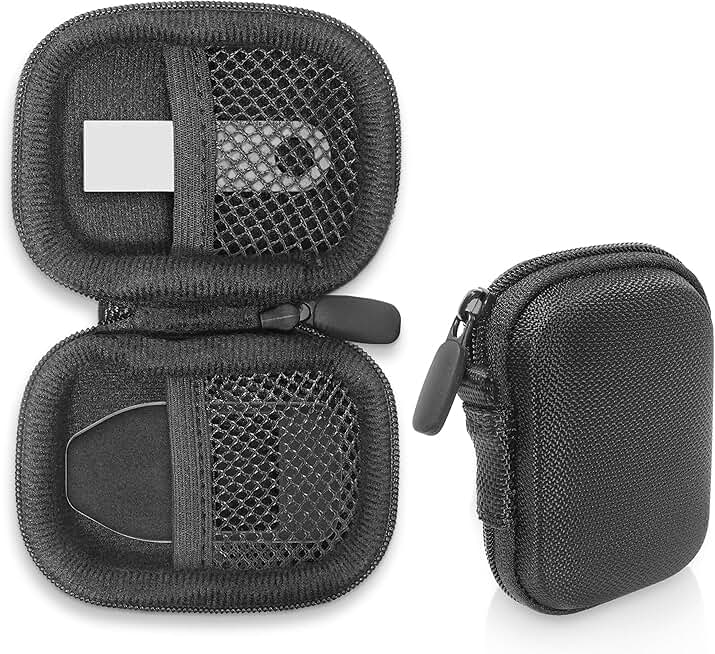
For serious holdings, a hardware wallet is the industry standard. These devices keep your private keys isolated from the internet. You will need to purchase a reputable device, initialize it to generate a new seed phrase, and write that phrase down on paper—never digitally. This seed phrase is your only recovery method; if you lose it, your funds are gone forever.
Look for devices from established manufacturers like Ledger or Trezor. These brands have a track record of security audits and open-source firmware. Avoid unknown brands that promise "military-grade" encryption without third-party verification.
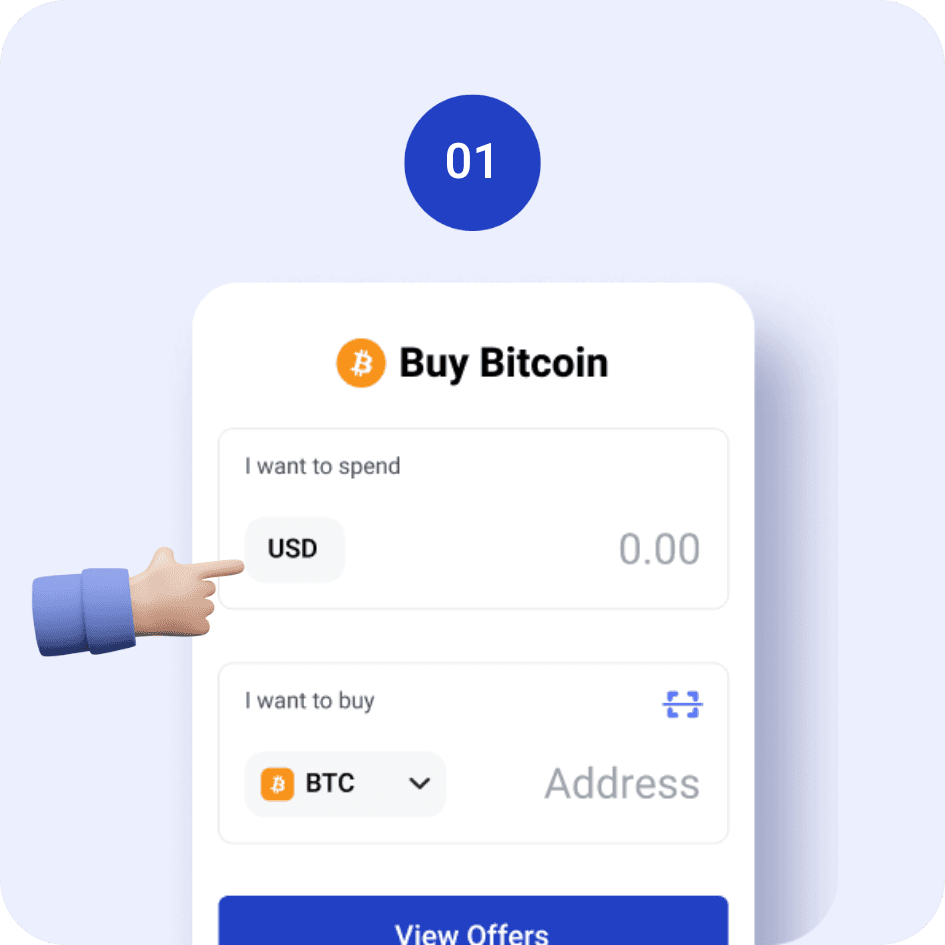
Buy the device directly from the manufacturer to avoid supply-chain tampering. Follow the on-screen prompts to set a PIN and create your recovery seed. This seed is a list of 12 or 24 words that restores your wallet if the device is lost or stolen.
Generate a receiving address on your hardware wallet and send a small test amount from your exchange first. Once confirmed, send the rest. This verifies that your setup is correct and that you can access your funds before moving your full portfolio.

As an Amazon Associate, we may earn from qualifying purchases.
Verify your infrastructure
Security is a habit, not a one-time event. Regularly check your wallet software for updates, as patches often address new vulnerabilities. Never share your seed phrase with anyone, including support staff. If a website or person asks for it, it is a scam. Treat your seed phrase like the master key to your house: keep it in a safe place, and never let it leave your physical possession.
Risk management and tax rules
Crypto infrastructure isn't just about buying; it's about keeping what you buy. Unlike traditional stocks, where you can often set and forget, digital assets demand active risk management. The volatility is real, and the tax code is catching up. Understanding these mechanics separates casual speculation from serious investing.
The Wash Sale Rule Trap
The wash sale rule is a critical tax concept that has recently expanded to include certain crypto-adjacent securities. If you sell a spot Bitcoin ETF at a loss and buy it back within 30 days before or after the sale, the IRS may disallow that loss. Instead of reducing your current tax bill, the disallowed loss is added to the cost basis of the replacement shares. This defers the tax benefit until you eventually sell the new position. For traders using ETFs as a primary vehicle, this rule can significantly impact short-term trading strategies.
Position Sizing and Diversification
Never risk capital you cannot afford to lose. A common infrastructure mistake is over-allocating to a single volatile asset. Treat crypto as a high-risk component of a broader portfolio. Use position sizing to limit exposure to any single token. If Bitcoin drops 20%, your entire portfolio shouldn't collapse. Diversification across different blockchain ecosystems and stablecoins can mitigate this risk, but remember that correlation often increases during market stress.
Record Keeping and Compliance
Tax reporting for crypto is notoriously complex. Every trade, swap, and transfer can be a taxable event. Use dedicated portfolio trackers that integrate with major exchanges to generate accurate cost basis reports. Failing to track these details can lead to unexpected tax liabilities or audits. Consult a tax professional familiar with digital assets to ensure compliance, especially as regulations evolve.
Monitoring Market Volatility
Volatility is the defining feature of crypto. Use technical charts to identify trends and set stop-loss orders if your platform supports them. This doesn't guarantee profit, but it provides a mechanical exit strategy. Regularly review your positions against your initial investment thesis. If the fundamentals change, the infrastructure of your portfolio should reflect that reality.
Frequently asked: what to check next
Note: This section provides general information. Consult a qualified tax professional for advice specific to your jurisdiction.
No comments yet. Be the first to share your thoughts!