How to buy cryptocurrency in 2026
Buying crypto has shifted from a niche technical exercise to a standard financial transaction. You no longer need to manage private keys or navigate complex blockchain networks to participate. The infrastructure now supports three primary entry points, each with distinct tradeoffs between control, cost, and convenience.
The most direct method is buying crypto outright on a centralized exchange. Platforms like Coinbase, Binance, and Kraken act as intermediaries, holding your assets while you trade. This is the standard route for most beginners because it offers high liquidity and familiar user interfaces. You fund the account with fiat currency and exchange it for tokens like Bitcoin or Ethereum. The tradeoff is that you are trusting the exchange to safeguard your funds, introducing counterparty risk.
Alternatively, you can invest through traditional brokerage platforms using crypto exchange-traded products (ETPs) or ETFs. This approach allows you to gain exposure to price movements without ever holding the underlying asset. It is ideal for investors who want to keep their crypto activity within existing retirement or taxable brokerage accounts. However, this method limits you to specific assets and often incurs higher management fees than direct exchange holdings.
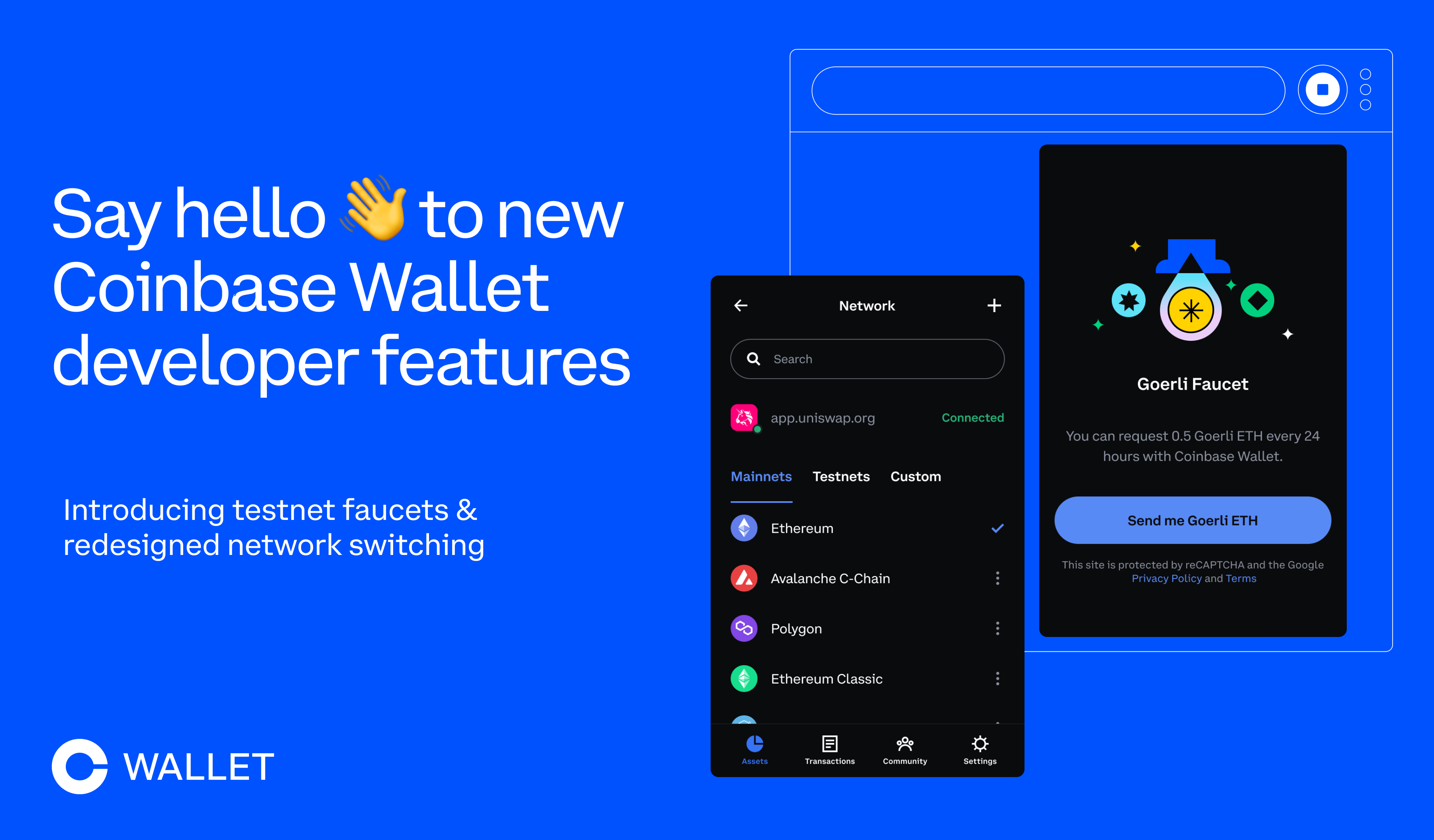
For those prioritizing self-custody, buying directly on a blockchain wallet is the third option. Services like MetaMask or hardware wallets allow you to interact with decentralized exchanges (DEXs). This method offers maximum control and privacy but requires a deeper understanding of gas fees, network slippage, and wallet security. It is generally reserved for advanced users who are comfortable managing their own security protocols.


As an Amazon Associate, we may earn from qualifying purchases.
Choosing the right method depends on your technical comfort and investment goals. Beginners should start with regulated exchanges to minimize friction, while those concerned about long-term security may prefer hardware wallets for storage after purchase.
Buy crypto choices that change the plan
Choosing how to buy cryptocurrency involves balancing convenience, cost, and control. There is no single best method; the right choice depends on your experience level, the amount you plan to invest, and whether you prioritize low fees or access to advanced trading tools.
Direct exchange purchases
Buying crypto directly on a centralized exchange like Coinbase, Binance, or Kraken gives you immediate ownership of the digital assets. This method offers the widest selection of coins and the highest liquidity. However, fees can vary significantly between platforms, and you are responsible for securing your private keys if you withdraw funds off-platform.
Crypto ETFs and ETPs
For investors who prefer traditional brokerage accounts, crypto Exchange-Traded Funds (ETFs) and Exchange-Traded Products (ETPs) offer a regulated entry point. These products track the price of underlying assets like Bitcoin or Ethereum. The tradeoff is that you do not own the actual cryptocurrency, meaning you cannot use it for transactions or transfer it to a personal wallet. This approach is ideal for long-term holding but limits utility.
Brokerage and payment apps
Convenience-focused apps allow you to buy small amounts of crypto with minimal setup. While these platforms are user-friendly and often integrate with existing financial accounts, they typically charge higher spreads and fees compared to dedicated exchanges. They are suitable for beginners testing the waters but may become expensive for regular or larger investments.
Comparison of buying methods
The table below compares the primary ways to acquire crypto, highlighting the key tradeoffs in fees, control, and accessibility.
| Method | Asset Control | Typical Cost | Best For |
|---|---|---|---|
| Centralized Exchange | High (Self-custody) | Low to Medium | Active traders & large holdings |
| Crypto ETFs | None (Indirect) | Management fees | Traditional brokerage investors |
| Payment Apps | Low (Custodial) | High spreads | Small, one-time purchases |
| Decentralized Exchanges | High (Self-custody) | Network gas fees | Privacy & altcoin access |
Market context
Understanding current market conditions is essential before executing a trade. Prices fluctuate rapidly, and technical analysis can help identify entry points. The following chart provides a real-time view of Bitcoin's performance, which often influences the broader crypto market.
Current price snapshot
For a quick reference to the current market value of the leading cryptocurrency, use the live price widget below. This data is provider-backed and updates in real-time.
How to buy cryptocurrency: A practical decision framework
Buying cryptocurrency involves more than just clicking a button; it requires selecting the right infrastructure for your specific needs. Whether you want to hold assets long-term or trade actively, the process starts with choosing a platform that balances security, fees, and usability.
The market offers three primary paths: direct purchase on a dedicated exchange, buying through a traditional brokerage via ETFs, or using payment apps for casual transactions. Each method has distinct tradeoffs regarding custody, privacy, and accessibility. Below is a step-by-step guide to navigating these options safely.
Determine whether you need a dedicated crypto exchange, a traditional brokerage, or a payment app. Dedicated exchanges like Coinbase, Kraken, or Binance offer the widest selection of coins and advanced trading tools. Brokerages such as Fidelity or Robinhood allow you to buy crypto-related ETFs without managing private keys, which simplifies tax reporting but limits ownership. Payment apps like PayPal or Cash App are convenient for small, casual purchases but often charge higher spreads and offer limited withdrawal options.
Before funding your account, check the platform’s regulatory status and security features. In the US, look for firms registered with the SEC or FinCEN. Ensure the platform offers two-factor authentication (2FA) and, if you plan to hold significant amounts, consider whether they offer cold storage options. Avoid platforms with a history of security breaches or unclear insurance policies for user funds.
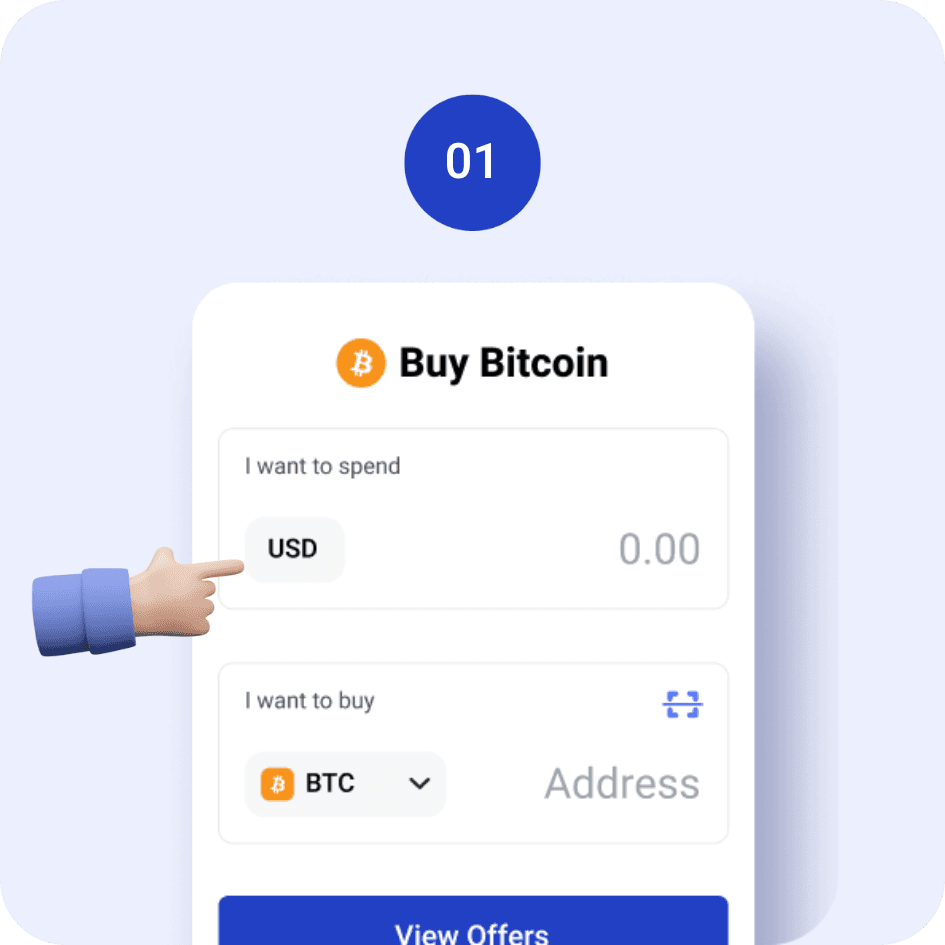
Link your bank account, debit card, or credit card. Bank transfers (ACH) typically have lower fees but take 3-5 days to clear. Debit cards are faster but often incur 2-4% transaction fees. Credit cards usually carry cash advance fees and higher interest rates, so they are generally discouraged for crypto purchases. Start with a small amount to test the withdrawal process before committing larger sums.
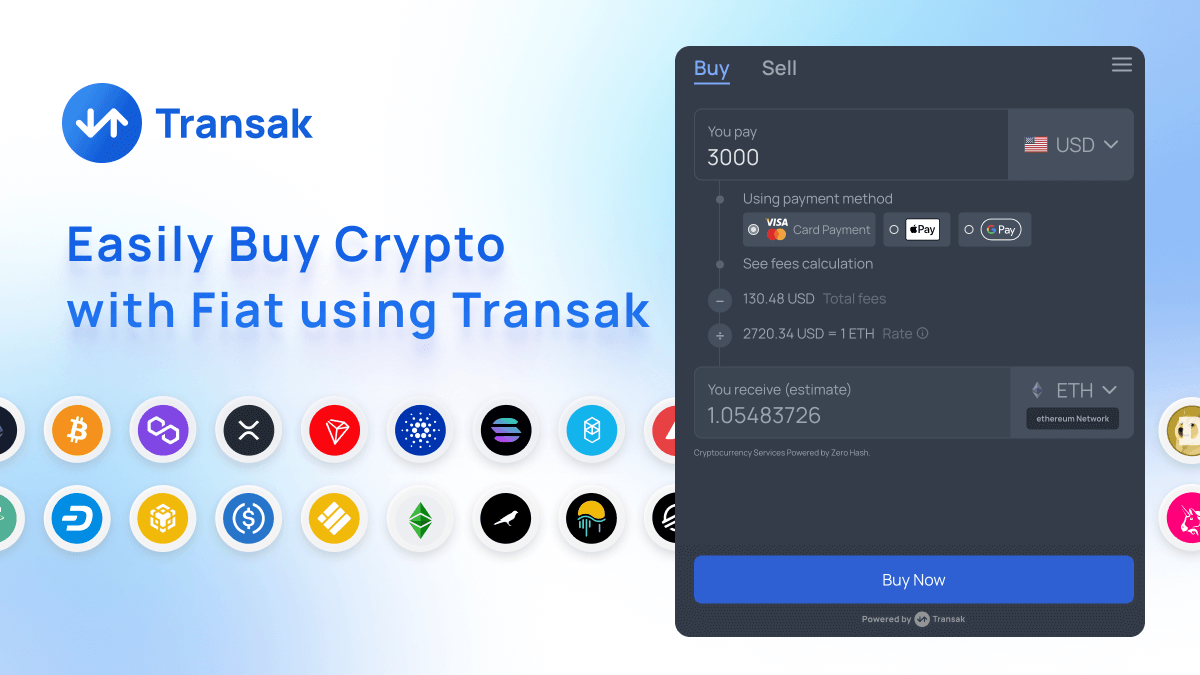
Navigate to the buy section and select the cryptocurrency you wish to purchase. You can buy whole coins (like 1 Bitcoin) or fractional amounts (like $50 worth of Ethereum). Review the price, including the platform’s spread and fees, before confirming. For beginners, a "limit order" allows you to set a specific price at which you want to buy, protecting you from sudden market volatility during the transaction.

Decide where to store your crypto. If the amount is small and you plan to trade frequently, leaving it on the exchange is acceptable. For larger holdings, transfer your assets to a self-custody wallet. Hardware wallets like Ledger or Trezor provide offline storage, significantly reducing the risk of hacking. Software wallets like MetaMask are suitable for interacting with decentralized apps but are more vulnerable to online threats.
Spotting Weak Options and Misleading Claims
The crypto market is saturated with platforms that prioritize marketing over security. Beginners often fall for low fees or flashy bonuses while ignoring the underlying infrastructure. This section breaks down the specific red flags to watch for, helping you avoid platforms that may not be ready for serious use.
High-Fee Hidden Costs
Many exchanges advertise "zero fees" but hide costs in spreads or withdrawal charges. Always check the total cost of a trade, including the spread between the buy and sell price. A platform might look cheap for trading but expensive for moving funds out. Compare the all-in cost against reputable brokers like Fidelity, which offer transparent crypto ETPs or direct ownership options.
Unverified Security Protocols
Avoid platforms that do not clearly display their security measures. Look for proof of reserves, cold storage usage, and insurance coverage. If a site cannot provide clear documentation on how your assets are protected, it is a weak option. Regulatory compliance is also a key indicator; unregulated platforms offer no recourse if things go wrong.
Poor Liquidity and Slippage
Low-volume exchanges often suffer from high slippage, meaning you pay more than the market price. This is especially true for altcoins. Stick to major exchanges with deep order books to ensure your trades execute at expected prices. Always test with small amounts to gauge the platform's responsiveness and accuracy.
Buy crypto: what to check next
Before you move funds, it helps to clarify how the mechanics work and what realistic returns look like. These answers address the most common practical objections readers face when entering the market.
No comments yet. Be the first to share your thoughts!